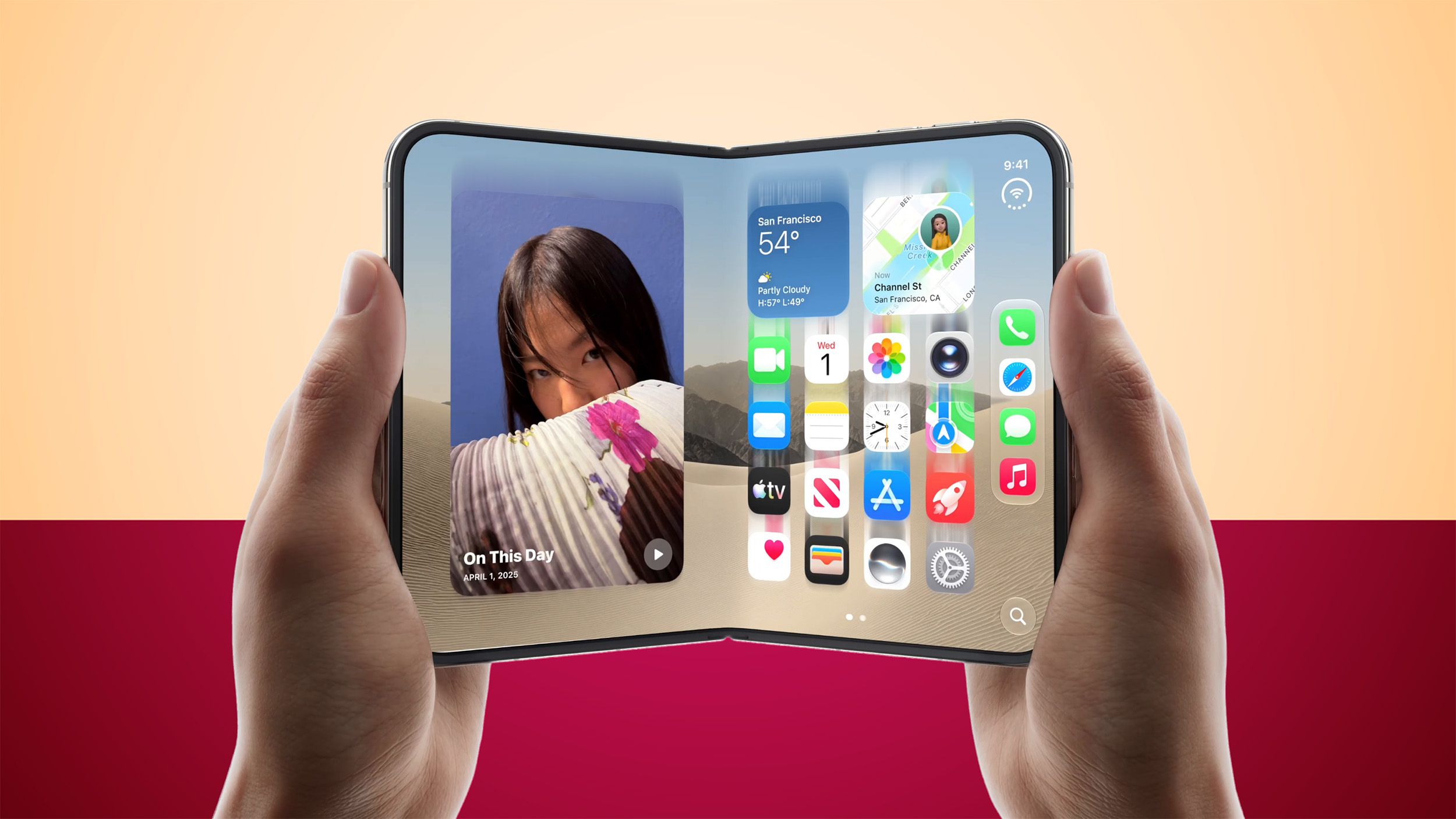






The AI graveyard now includes high‑profile failures such as OpenAI’s abandoned apps, Apple’s delayed Siri AI, the bankruptcy of Character.ai and the shutdown of startups like Relay and Ollie, highlighting how 42% of corporate AI initiatives are abandoned.
Scale of AI abandonments
According to S&P Global Market Intelligence, roughly 42% of corporate‑backed AI initiatives are eventually discontinued. The figure reflects a mixture of insufficient funding, technical roadblocks, fierce competition, scaling difficulties, and weak user demand. Companies pour billions into research and development, yet nearly half of those projects never reach a sustainable market presence. The growing list of defunct products underscores the volatility of the emerging AI sector.

The phenomenon is not limited to small startups; even well‑capitalised tech giants have seen promising prototypes disappear. Analysts point to the high cost of maintaining large‑scale models and the rapid pace of innovation that can render a solution obsolete within months. As AI moves from experimental labs to commercial offerings, the pressure to deliver measurable value intensifies, prompting many firms to cut losses early.

OpenAI’s recent setbacks
On July 9, OpenAI attempted to transform ChatGPT into a multi‑mode “super app,” bundling separate experiences called Chat, Codex and Work while renaming the classic interface to ChatGPT Classic. Users quickly complained that the new layout was confusing and cluttered, leading OpenAI to reverse the change within days and restore the familiar interface. The episode revealed how even incremental UI shifts can trigger strong backlash among a highly engaged user base.
Standalone tools phased out
Beyond the redesign, OpenAI has been systematically folding independent tools into the core ChatGPT product. ChatGPT Atlas, a dedicated AI‑powered web browser, was discontinued on August 9 after less than a year of operation, with its most useful features merged into the main chat experience. Similarly, the Operator agent, which could browse the web and perform tasks on a user’s behalf, was absorbed, and image generation capabilities were integrated directly, reducing the role of the separate DALL‑E platform.
The company’s video‑sharing platform Sora also succumbed to high operating costs and low user retention, shutting down in March 2026. These closures illustrate a strategic shift toward consolidating capabilities within a single, more maintainable product rather than supporting a fragmented ecosystem of niche applications.
Apple’s Siri AI delays
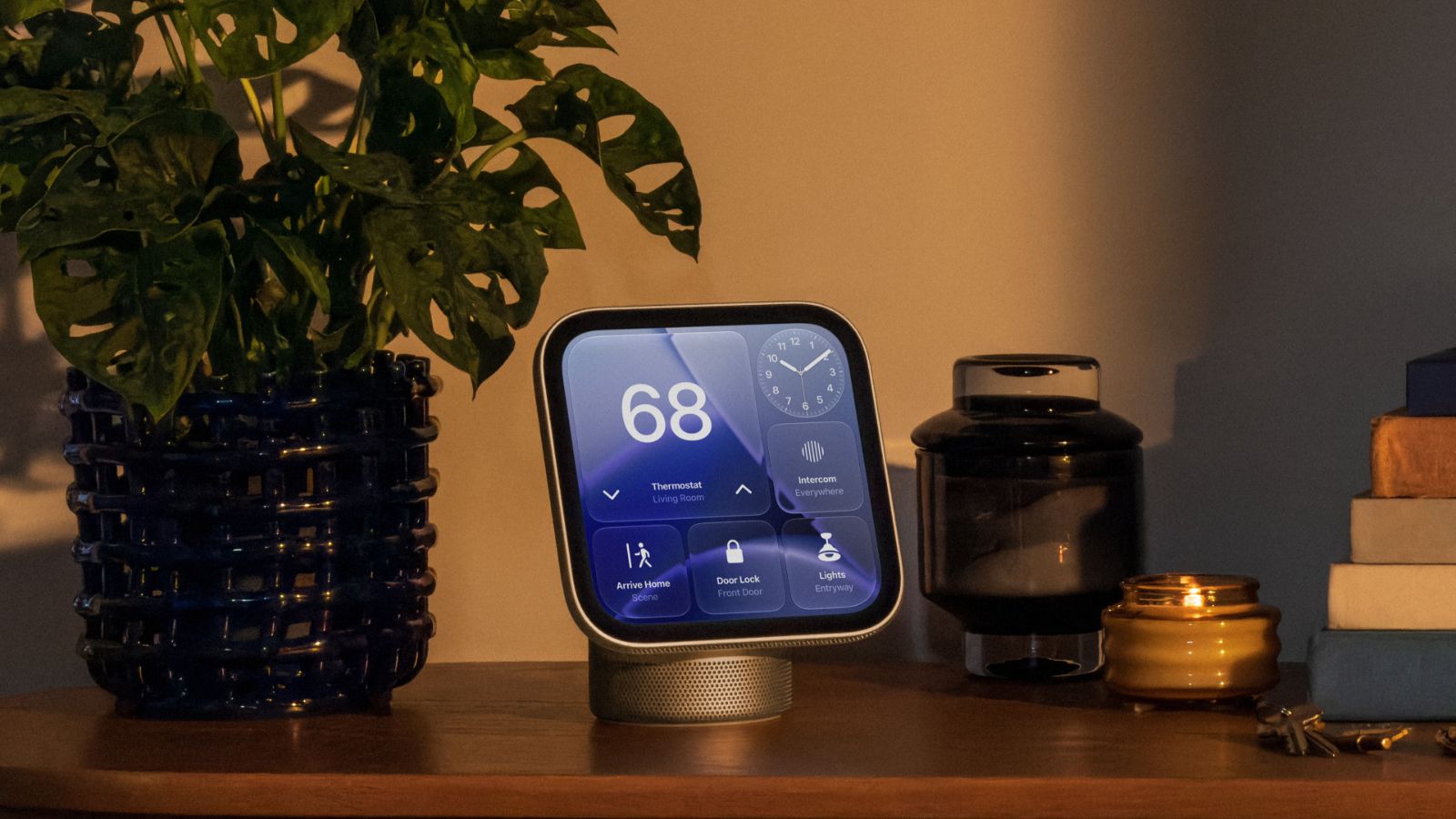
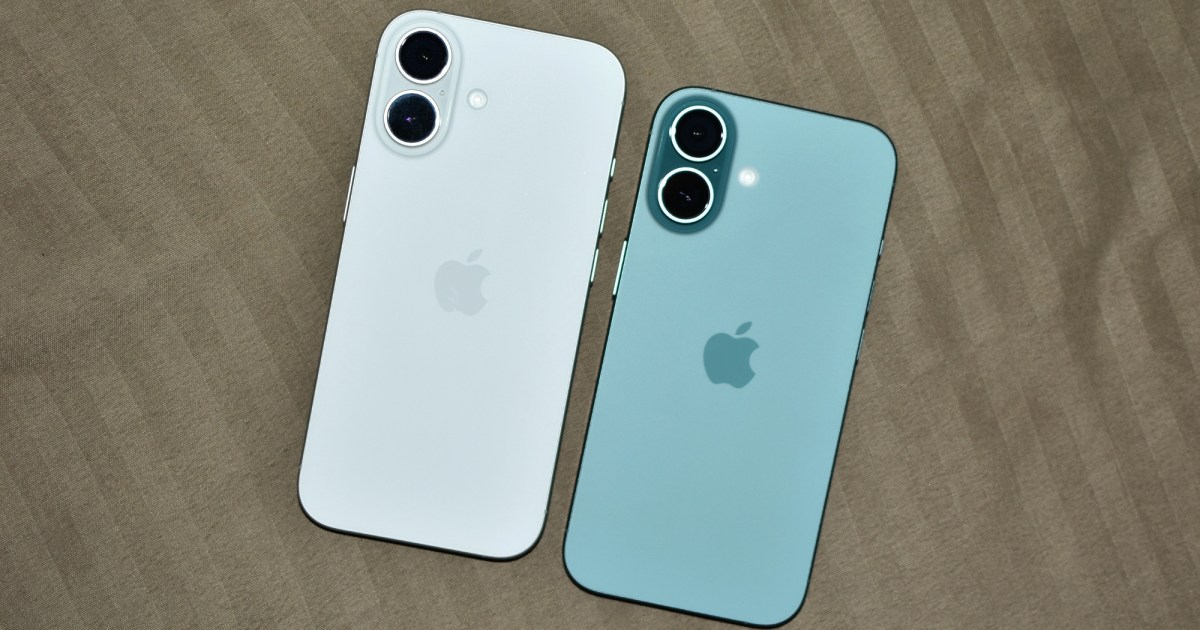
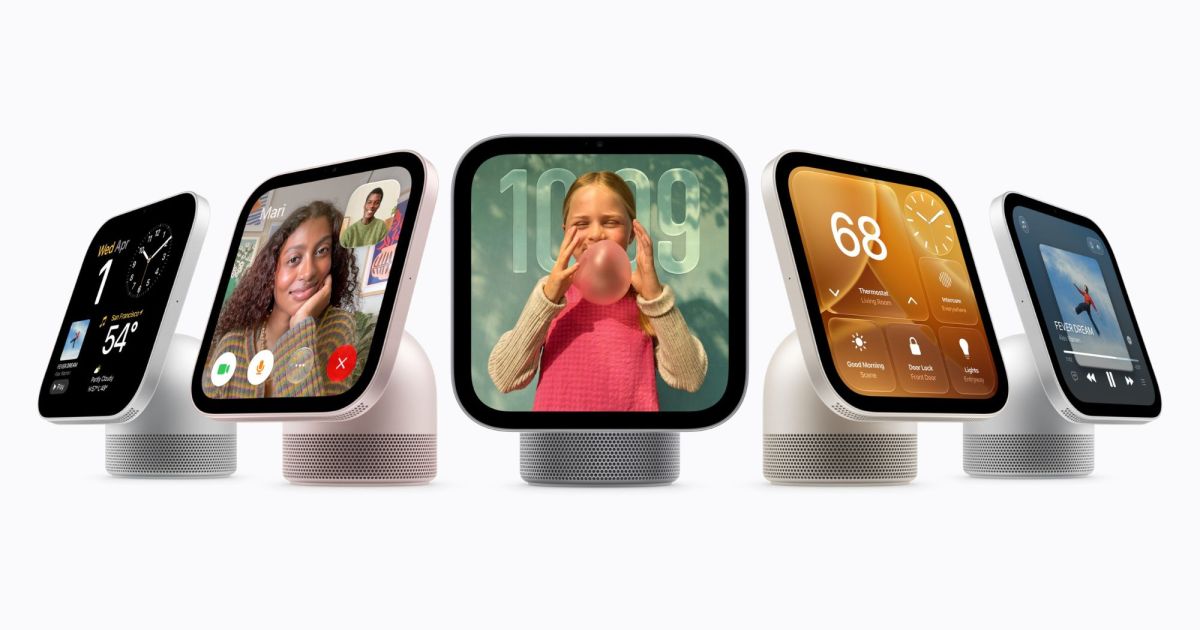
Apple announced Apple Intelligence in 2024, promising a next‑generation Siri that could understand context across apps and execute tasks more intelligently. However, the rollout has been repeatedly postponed due to engineering bugs and other technical issues, delays that eventually contributed to a $250 million settlement over alleged mis‑marketing of AI features in the iPhone 16.
The updated Siri finally appeared in the iOS 27 beta released in July, initially limited to English‑language users. Apple has indicated that support for additional languages will follow in subsequent updates, but the staggered approach leaves many international markets waiting for the promised AI‑enhanced experience.
Character.ai bankruptcy
Character.ai launched in 2021, founded by former Google researchers Noam Shazeer and Daniel De Freitas. The consumer‑facing app let users converse with customizable bots, many modeled after celebrities or fictional characters, and attracted $150 million in funding at a $1 billion valuation in 2023.
In 2024 Google reportedly paid $2.7 billion to license the startup’s technology and re‑engage its founders, leaving Character.ai to operate without its original leadership. The company later faced a series of lawsuits alleging that its chatbots contributed to teen suicides and self‑harm, while Disney issued a cease‑and‑desist over unauthorized use of its characters. In early 2026 the firm settled several suits together with Google and barred users under 18 from open‑ended chats.
Despite the settlements, legal, regulatory and operational pressures forced Character.ai to file for bankruptcy in early October. Disney emerged as the opening bidder, offering $20 million for a license to certain intellectual property. The app remains functional during the proceedings, and the sale is expected to close by late November or early December.
Other notable closures
Relay, an AI‑powered alternative to Zapier, ceased operations in August 2026 after five years on the market. The tool allowed users to automate email and task workflows using AI agents, but as larger platforms like OpenAI and Google integrated similar automation directly, Relay struggled to justify its existence as a standalone product.
Ollie privacy‑focused assistant
Ollie launched in June 2026 as one of the first mainstream apps to achieve SOC 2 compliance, positioning itself as a family‑oriented AI assistant that aggregated calendars, emails, reminders and other household data. The startup announced its shutdown on November 6, citing an inability to differentiate from heavyweight competitors such as Muse and Instinct, coupled with insufficient capital raising.
Microsoft’s Recall feature, unveiled at the 2024 Build conference, promised an AI‑driven “photographic memory” for Windows PCs by periodically capturing screenshots for later search. While the concept generated interest, the feature has yet to see a broad release, and its future remains uncertain amid competing productivity tools.
TechTimes Perspective
TechTimes notes that the AI graveyard highlights a maturation phase where only the most adaptable projects survive. The high abandonment rate suggests investors and developers must prioritize clear monetisation pathways and robust user adoption strategies. For Vietnam, the trend may encourage local startups to focus on niche, integrated solutions rather than building isolated AI products that could be quickly eclipsed by global players. Monitoring how major firms consolidate tools could also inform policy on data privacy and competition.