





Apple HomeView, released at $299, adds a Mirror mode, sleep timer, and stricter facial-recognition rules that require clear visibility and nearby iOS devices, factors that could shape its adoption in Vietnam.
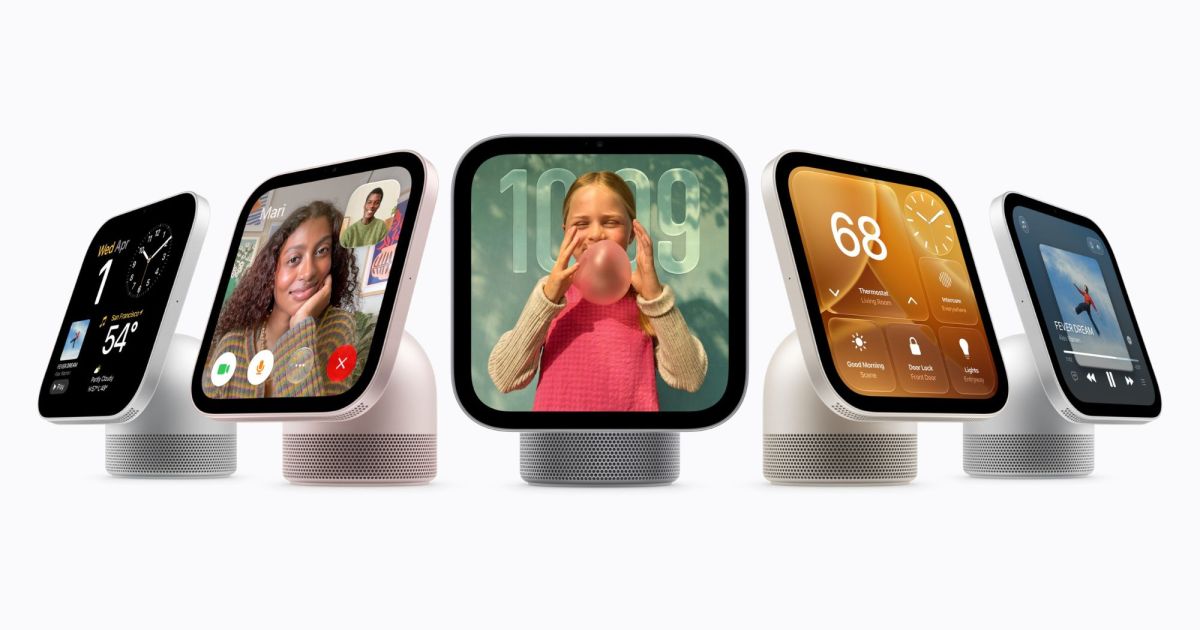
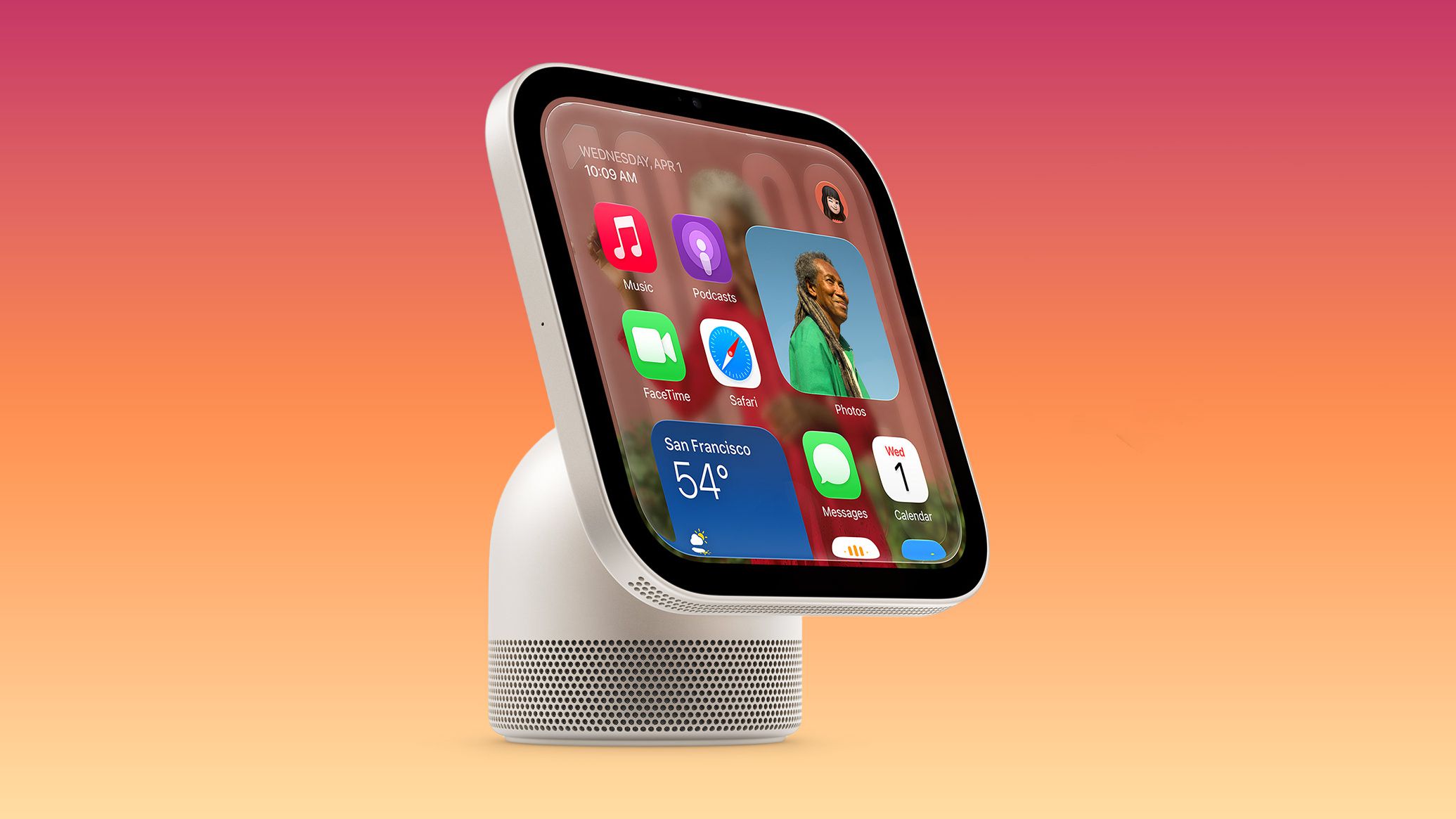
Apple introduced the HomeView smart hub on Tuesday, pricing it at $299 for the base tabletop model. The device runs on the latest version of Siri AI, still in beta, and integrates tightly with iPhone and Apple TV ecosystems. Among the new settings disclosed are a Mirror mode that uses the front‑facing camera as a personal display, a sleep timer that can pause media playback, and a series of security tweaks that tighten facial‑recognition requirements. These details, revealed by Apple’s support documentation, give early adopters a clearer picture of how the hub functions in everyday use.
HomeView relies on facial recognition to unlock personal content. Apple notes that the camera will not identify a user whose face is partially covered, such as when wearing sunglasses, a mask, or a hat. The hub must be positioned so the screen faces the user, the person should be centered in the frame and as close to the camera as possible, and the surrounding area must be free of overhanging shelves. Even lighting is required; bright backlight or shadows can prevent authentication, prompting the device to fall back on the paired iOS device for verification.

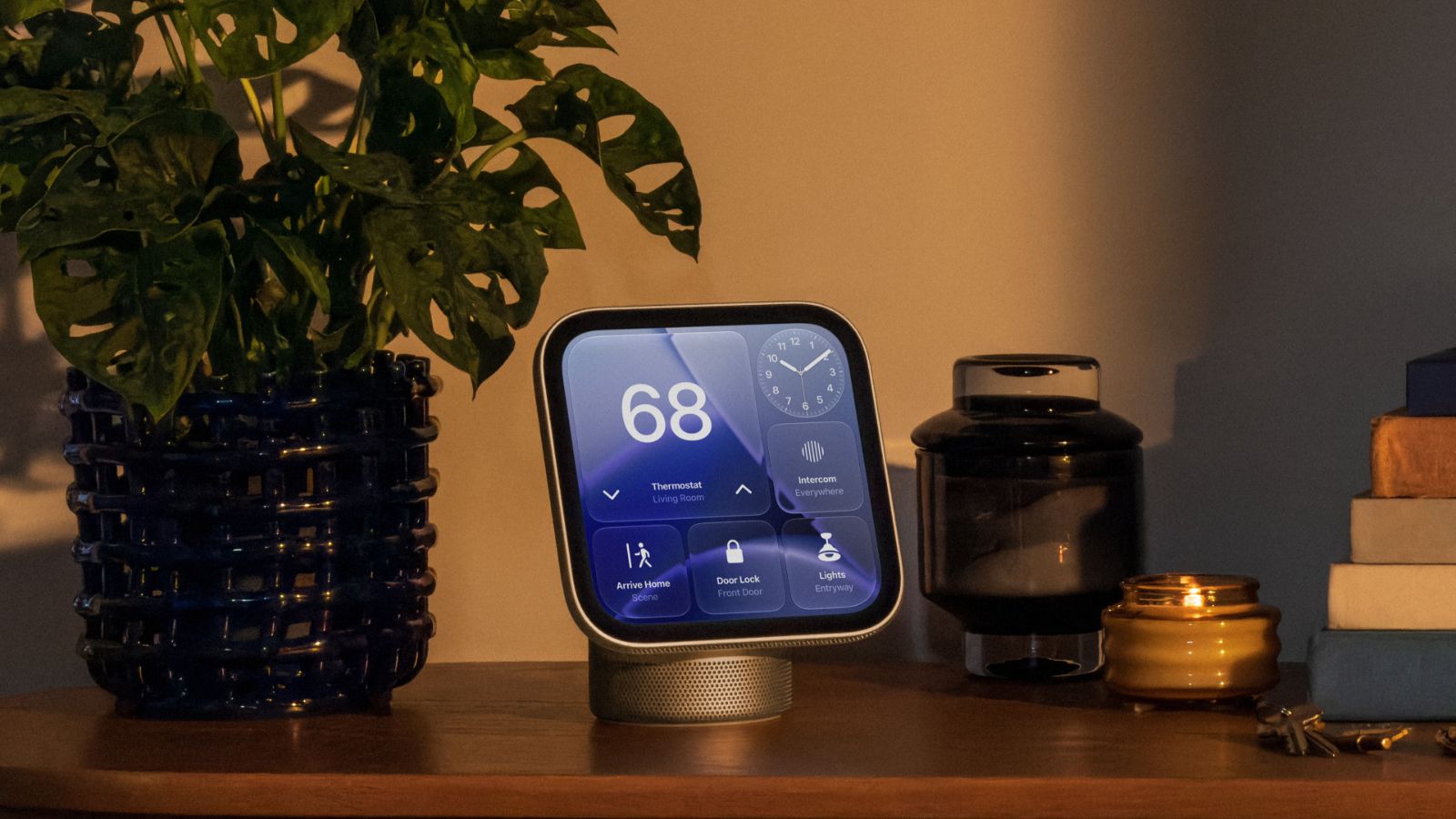
The Control Center includes a Mirror option that activates the camera as a live view. Users can enable an edge‑light to illuminate their face and choose between 1× and 2× digital zoom. This feature essentially turns HomeView into a smart mirror, useful for quick checks before leaving the house.
Owners can define guest permissions, limiting what visitors can control on the hub. Authentication also checks that a user’s iPhone is nearby, unlocked, and on the same Wi‑Fi network as the hub; if the network drops, a cellular connection can serve as a backup, provided the device was recently on the same Wi‑Fi. The hub lacks physical power or reset buttons; it can be restarted only through the Settings app or by briefly unplugging it. Users can sign into websites and apps via their iPhone, similar to Apple TV. Notification support is limited to phone calls and HomeKit alerts, with an optional toggle for critical alerts. The Liquid Glass interface transparency can be adjusted from fully clear to opaque, mirroring iPhone, iPad and Mac behavior. Repeated failed authentication attempts temporarily disable facial recognition, forcing verification with a registered device.
The HomeView’s reliance on stable Wi‑Fi and clear facial capture may pose challenges for Vietnamese households where broadband quality varies and indoor lighting is often uneven. Apple has not announced an official launch date or pricing for Vietnam, but the $299 US price suggests a retail cost above 7 million VND after taxes and import duties. Local retailers will likely need to stock compatible accessories, such as wall‑mount brackets sold separately. If Apple enables cellular fallback, the hub could work with Vietnam’s 4G/5G networks, though carrier support remains unconfirmed. Consumers may compare HomeView with existing smart displays from Samsung and Xiaomi, which offer similar voice‑assistant functions at lower price points.
TechTimes Perspective
TechTimes believes the newly disclosed HomeView settings clarify how Apple intends to position the device as a premium smart‑home hub. The emphasis on facial‑recognition integrity and optional cellular unlock signals a push toward a seamless, yet secure, user experience that could differentiate HomeView from cheaper competitors. In Vietnam, the need for even lighting and reliable Wi‑Fi may limit early adoption, while the lack of an official launch leaves pricing and carrier integration uncertain. TechTimes expects that if Apple partners with local carriers for cellular fallback and offers a localized pricing strategy, HomeView could capture a niche segment of affluent early adopters seeking tight integration with iPhone and Apple TV.