






Nvidia co‑founder Jensen Huang stepped down as CEO and board member after Reuters revealed a third extramarital relationship with an unnamed employee, with CFO Colette Kress named interim CEO.
On Thursday, Nvidia announced that Jensen Huang has resigned as chief executive and left the board, following a Reuters report that he is involved in a third affair with a currently unnamed Nvidia employee. The disclosure follows earlier scandals involving alleged Chinese spy Alice Huang and senior vice president Kimberly Powell.
Reuters chose not to reveal the employee’s identity, confirming only that she works for Nvidia. In the wake of the resignation, chief financial officer Colette Kress was appointed interim CEO, although a permanent successor has not yet been named.

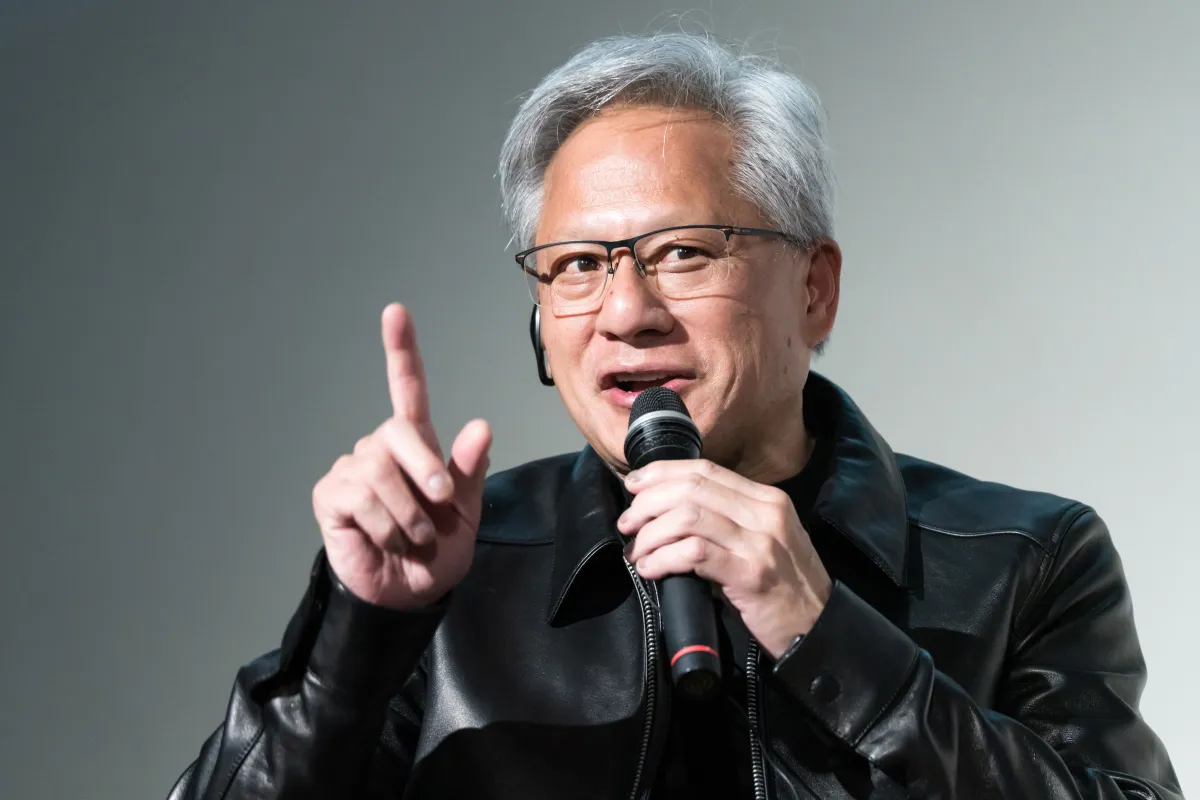
Huang is also scheduled to appear before the U.S. Congress to discuss national‑security implications of his relationship with Alice Huang, but the timing and scope of the testimony remain unclear.
The news triggered an immediate sell‑off, with Nvidia shares sliding up to 10% in pre‑market trading as investors digested the leadership vacuum and potential regulatory fallout.
Despite the turmoil, Nvidia’s key initiatives remain on the table: a pending $13 billion acquisition of open‑source platform Hugging Face and a $6 billion non‑exclusive license deal with AI‑coding startup Poolside are still under negotiation.
Huang had championed the Nemotron family of open‑weight AI models, positioning them as rivals to closed‑source frontier models. Whether the new leadership will sustain this open‑source push is now an open question.
Vietnam’s AI ecosystem relies heavily on Nvidia GPUs for university research, enterprise workloads and data‑center expansion. Any disruption in the supply pipeline or a shift in pricing policy could delay critical projects and increase hardware costs for local players.
If the board’s search for a permanent CEO extends, large‑scale orders for A100, H100 and other high‑end GPUs may be postponed, forcing Vietnamese firms to seek temporary alternatives or absorb higher prices from competing vendors.
The leadership shake‑up may open a window for Vietnamese chipmakers such as Viettel, Vingroup and emerging AI‑chip startups to negotiate strategic partnerships or accelerate domestic production, reducing reliance on imports.
The Vietnamese government has already pledged incentives for high‑tech manufacturing and domestic chip development; the current uncertainty could accelerate investment flows into these programs.
Nvidia is expected to announce a permanent CEO within the coming weeks. The choice will signal whether the company will keep its open‑source advocacy and the pending Hugging Face deal on track.
U.S. security agencies may intensify scrutiny of personal relationships among tech executives, potentially adding compliance layers for any future collaborations with Vietnamese partners.
Vietnamese enterprises and investors should monitor Nvidia’s leadership announcements, pricing adjustments and supply‑chain communications closely, and develop contingency plans for hardware procurement to mitigate short‑term disruptions.
TechTimes Perspective
TechTimes believes Jensen Huang’s departure creates a dual shock: it unsettles global AI‑chip markets while exposing Vietnam’s heavy reliance on Nvidia GPUs to supply‑chain risk. In the short term, local firms may face higher prices and delayed deliveries, prompting a push toward domestic chip initiatives. Over the longer horizon, the search for a new CEO and heightened U.S. security oversight could reshape Nvidia’s open‑source strategy, influencing how Vietnamese AI developers access cutting‑edge hardware and software. Companies should therefore track leadership developments and explore alternative suppliers or local partnerships as part of a resilient AI roadmap.