






Apple introduced the foldable iPhone Duo and the iPhone 18 Pro line, yet the regular iPhone 18 has not appeared. Reports indicate Apple could be waiting for Samsung to deliver sufficient camera sensors, pushing the launch into early 2027.
Apple announced the iPhone Duo, its first foldable handset, alongside the iPhone 18 Pro models. The standard iPhone 18, traditionally launched together with Pro versions, was absent from the event. Earlier commentary linked the shift to Apple’s desire to highlight premium devices while grappling with rising component costs and manufacturing hurdles.
Japanese outlet Semicon Portal, cited by Phonearena, reports that Apple may be holding back the regular iPhone 18 until Samsung can produce enough camera sensors. Semiconductor journalist Takeshi Hattori notes Samsung began prototyping the sensors at its Austin, Texas plant earlier this year, with mass production slated for the fall.

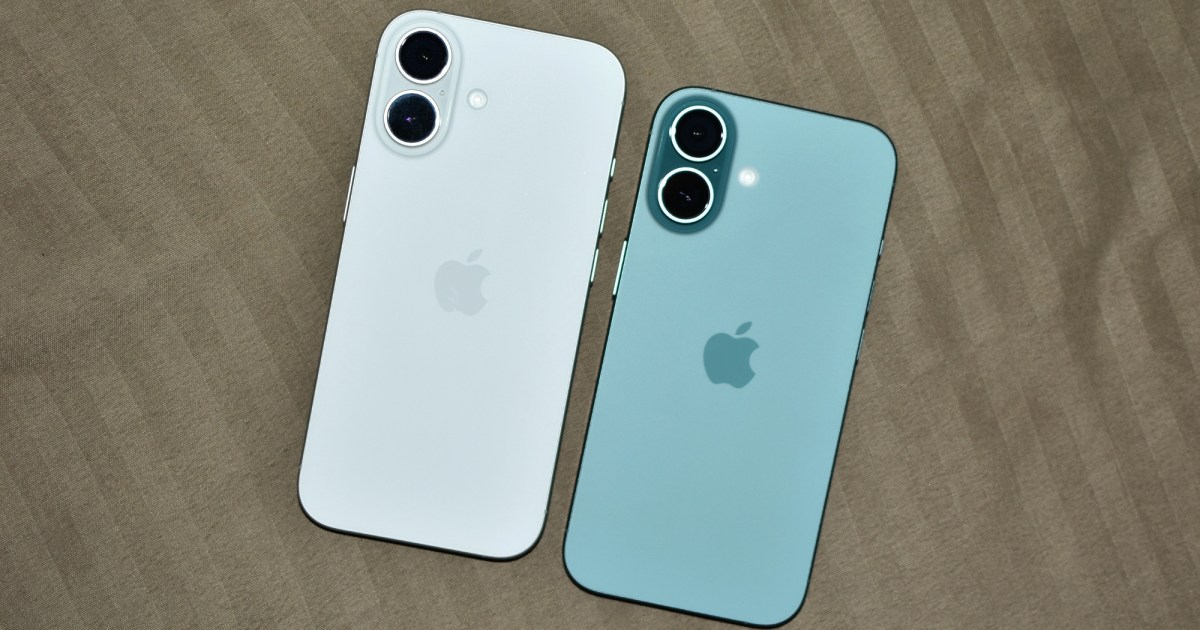
If true, Samsung could replace Sony as Apple’s primary image‑sensor supplier. Apple has relied on Sony for years, but in August last year it announced a manufacturing partnership with Samsung’s Texas facility involving a new chip‑making technology. The company did not specify the chips, though later leaks tied the effort to future iPhone cameras.
Sony’s CFO Lin Tao, during the company’s November 5 earnings briefing, declined to comment on losing its sole‑supplier status to a major customer, but affirmed that sourcing components from multiple vendors is normal business practice. The iPhone 18 is rumored to retain a dual 48 MP camera setup, yet whether Samsung’s sensors will be used remains unconfirmed.
Analysts now expect the regular iPhone 18 to arrive in the first half of 2027, possibly alongside the iPhone 18e and iPhone Air 2. However, staggered launch plans were reported as early as May 2025, well before Samsung’s sensor prototyping began, so the sensor‑supply theory does not fully explain the delay. Apple has offered no official statement.
For Vietnamese consumers, a postponed standard iPhone 18 could extend the waiting period and affect the eventual retail price. Although sensor production in Texas does not directly involve the local supply chain, heightened competition between Samsung and Sony may lower component costs, potentially translating into more competitive pricing when the device finally reaches the market.
TechTimes Perspective
TechTimes believes Apple’s possible reliance on Samsung for iPhone 18 camera sensors underscores a broader industry shift toward diversified component sourcing. If Samsung does supplant Sony, intensified competition could drive down sensor costs, a benefit that may eventually be reflected in lower prices for Vietnamese buyers. Nevertheless, the delayed launch of the standard iPhone 18 creates a market gap that rivals could exploit, potentially reshaping the mid‑range segment while consumers await Apple’s next flagship.