



Jensen Huang, Nvidia‘s chief executive, has stepped down following multiple affair allegations. The board appointed long‑time CFO Colette Kress as interim CEO, triggering a roughly 10% pre‑market drop in Nvidia shares.
On the evening of November 11 (U.S. time), Nvidia’s board voted to name chief financial officer Colette Kress as interim chief executive officer. The appointment takes effect immediately, ending the 33‑year tenure of Jensen Huang, who turned Nvidia into the world’s most valuable chipmaker.
In the same meeting minutes, the board reiterated its appreciation for Huang’s contributions since the company’s founding, while also retaining the law firm Wachtell Lipton to conduct an independent investigation into the personal matters that prompted his resignation.

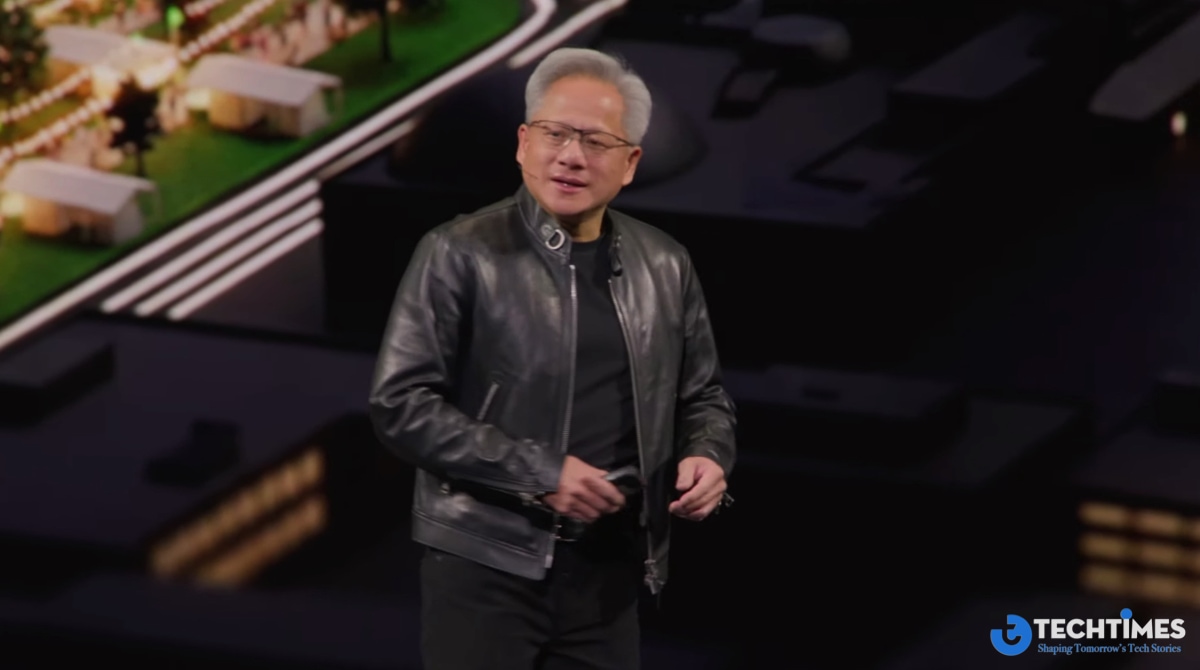
Since co‑founding Nvidia in 1993, Jensen Huang steered the firm from a graphics‑card niche to a dominant position in accelerated computing and artificial intelligence. Under his guidance, market capitalization swelled to roughly $4 trillion, and Nvidia became synonymous with high‑performance GPUs.
While his record is impressive, the recent personal controversies have forced the board to prioritize a swift leadership transition to preserve investor confidence.
Shares of Nvidia (ticker NVDA) fell about 10% in pre‑market trading after the announcement, reflecting heightened anxiety among investors about leadership instability. The decline represents a loss of more than $400 billion in market value within hours.
Bloomberg data shows the 10% dip is the steepest single‑day move since the stock’s 14‑fold surge that began in late 2022, when demand for AI‑driven GPUs exploded. Analysts warn that a prolonged succession process could sustain selling pressure, especially as Nvidia sits at the core of the global AI supply chain.
Yahoo Finance reports that Nvidia will still release its Q4 earnings on November 17, but investors will scrutinize revenue from GPUs and AI services to gauge whether growth momentum can survive the leadership change.
The New York Times reported that Huang is alleged to have had an affair with Kimberly Powell, Nvidia’s senior vice president for health‑care, after the two were seen sharing intimate gestures at a company event in March. A second allegation involves Alice Huang, a former Megaspeed employee who was reportedly linked to a Chinese espionage investigation.
On November 8, Huang sent an internal email to all staff, admitting to marital infidelity and apologising to his family, colleagues, partners and shareholders worldwide. He emphasized that the conduct did not compromise Nvidia’s trade secrets or national‑security interests, and pledged full cooperation with the independent probe.
While acknowledging personal wrongdoing, Huang firmly denied any speculation that his behavior endangered corporate security or eroded Nvidia’s competitive edge.
Jeff Christian, chief executive of recruitment firm Christian and Timbers, told CNBC that Huang had become “the face of AI” and that his extensive financial ties with partners made him a unique figure in the industry. Christian warned that the void left by Huang could be difficult for any successor to fill.
Former President Donald Trump posted on Truth Social, suggesting Apple’s Tim Cook should replace Huang as Nvidia’s CEO, describing the move as “a legend replacing a legend.” Neither Apple nor Cook has responded publicly to the suggestion.
U.S. lawmakers and regulators in Washington are expected to intensify scrutiny of Nvidia’s international financing and partnership activities, especially given the ongoing U.S.–China tensions and the company’s deep involvement in AI hardware sales to China.
TechTimes Perspective
TechTimes believes Jensen Huang’s abrupt exit at a time when AI demand is peaking creates significant uncertainty for Nvidia, a cornerstone of the global GPU market. The leadership vacuum may delay strategic initiatives and could pressure the company’s valuation ahead of its upcoming earnings release. For Vietnam, any slowdown in Nvidia’s investment or partnership plans could affect local data‑center projects and the pricing of high‑end AI accelerators, prompting Vietnamese firms to diversify their supplier base.