



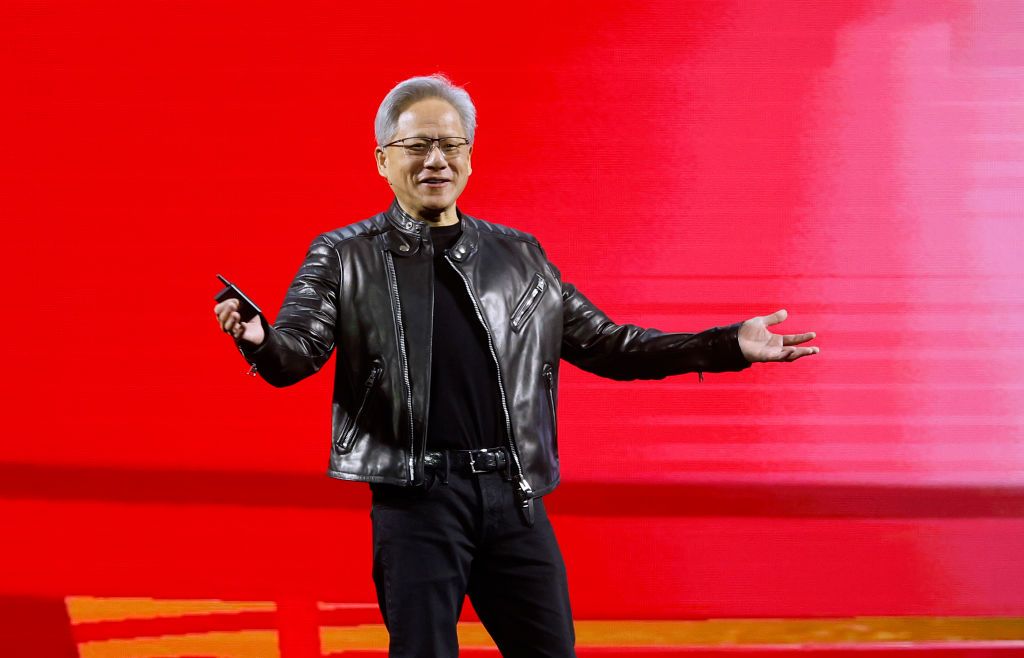
Nvidia co‑founder and CEO Jensen Huang admitted to an extramarital affair, prompting a board move to oust him and a sharp decline in Nvidia shares.
Board deliberations and market impact
According to the Wall Street Journal, Nvidia’s board is preparing a special meeting to discuss Jensen Huang’s future after reports of a second affair surfaced. The prospect of removing the founder has unsettled investors, and Nvidia’s stock fell about 8% in after‑hours trading on Wednesday. Over the past five days the share price has slipped roughly 11%, reflecting heightened uncertainty about leadership succession. The company has not disclosed a clear successor, and Huang’s management style—direct oversight of roughly 60 senior staff—adds to the succession risk.

The board’s contemplated action follows a pattern of limited transparency from Huang’s office. He has declined repeated requests from three Republican congressmen to appear before a closed‑door briefing on the affair allegations. House China Committee Chairman Michael McCaul warned that refusal could trigger a subpoena. Meanwhile, Huang withdrew from speaking engagements at the ElevenLabs Summit and the Anthropic CEO Forum, signaling a possible retreat from public duties.
Alleged relationships and personal misconduct
Two separate relationships have been reported. The New York Times cited five Nvidia employees who said Huang had an affair with Kimberly Powell, Nvidia’s vice president of health care, who reports directly to him. Video footage allegedly shows the pair being affectionate at a hotel during a conference earlier this year. In addition, U.S. officials suspect that Alice Huang, an executive at Singapore‑based AI infrastructure firm Megaspeed, is a Chinese intelligence asset who pursued a romantic link with Jensen Huang.
Alice Huang, a Chinese citizen unrelated to Jensen Huang, is alleged to have built a network of companies in China and Singapore to acquire Nvidia chips. Megaspeed reportedly bought $4.8 billion of Nvidia GPUs over the past two years, while a subsidiary, Shanghai Century Litong, is said to have secured $7.5 billion of chips, including models subject to U.S. export bans. The alleged personal connection could provide a conduit for sensitive technology transfer, a claim that has intensified scrutiny from U.S. authorities.
Legal investigations and national‑security concerns
The U.S. Department of Justice has taken over a federal probe into Megaspeed’s activities after earlier investigations by Singaporean regulators. Tim Teter, Nvidia’s chief legal officer, reportedly contacted Commerce Under Secretary Jeffrey Kessler to question whether the Trump administration played a role in detaining Alice Huang. Congressional leaders have signaled intent to subpoena Huang for a closed‑door briefing on the alleged espionage link, underscoring the national‑security dimension of the scandal.
Former President Donald Trump weighed in on the controversy, describing Huang as “a fine person” while acknowledging uncertainty about the situation. His comments, however, have not altered the ongoing investigations. The combined pressure from regulators, lawmakers, and investors places Nvidia at the centre of a broader U.S.–China technology rivalry, where control over advanced AI chips is a strategic priority for both nations.
Implications for the AI‑chip market
Nvidia remains the world’s largest supplier of AI accelerators, a critical component for training large language models and other generative AI systems. U.S. export controls already limit sales of its most powerful GPUs to Chinese entities, and any leadership upheaval could affect compliance programmes and customer confidence. A board‑driven ouster might accelerate discussions about a formal succession plan, which investors view as essential for maintaining Nvidia’s market dominance.
The scandal also highlights the vulnerability of supply‑chain partners to espionage attempts. If the alleged connections between Megaspeed, Shanghai Century Litong, and Chinese intelligence are substantiated, regulators may tighten oversight of third‑party distributors. Such measures could reshape how Nvidia structures its global sales network, potentially slowing the flow of high‑end chips to overseas markets and influencing the pace of AI development worldwide.
Key specifications
| Item | Amount |
|---|---|
| Megaspeed purchase of Nvidia chips (last 2 years) | $4.8 billion |
| Shanghai Century Litong purchase | $7.5 billion |
| Nvidia share drop after board news | 8 % after‑hours, 11 % five‑day |
TechTimes analysis
TechTimes believes the Jensen Huang controversy could reshape Nvidia’s governance at a time when the company is pivotal to the U.S.–China AI arms race. A board move to remove the founder may restore investor confidence, but it also risks destabilising a firm that lacks a clear successor. The alleged personal link to a suspected Chinese spy adds a national‑security layer that could trigger tighter export controls and deeper regulatory scrutiny, potentially slowing Nvidia’s chip shipments to key overseas partners. Stakeholders will watch closely how the board resolves the leadership question and whether the investigations lead to broader supply‑chain reforms.