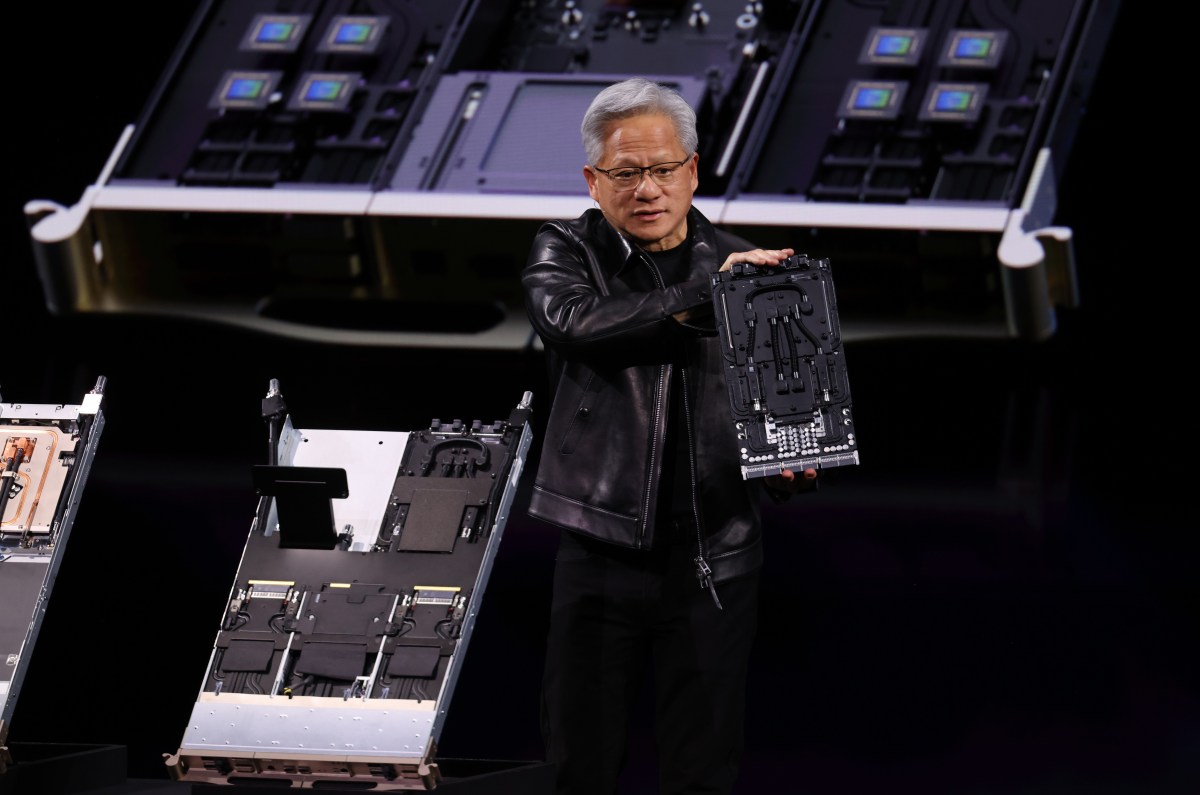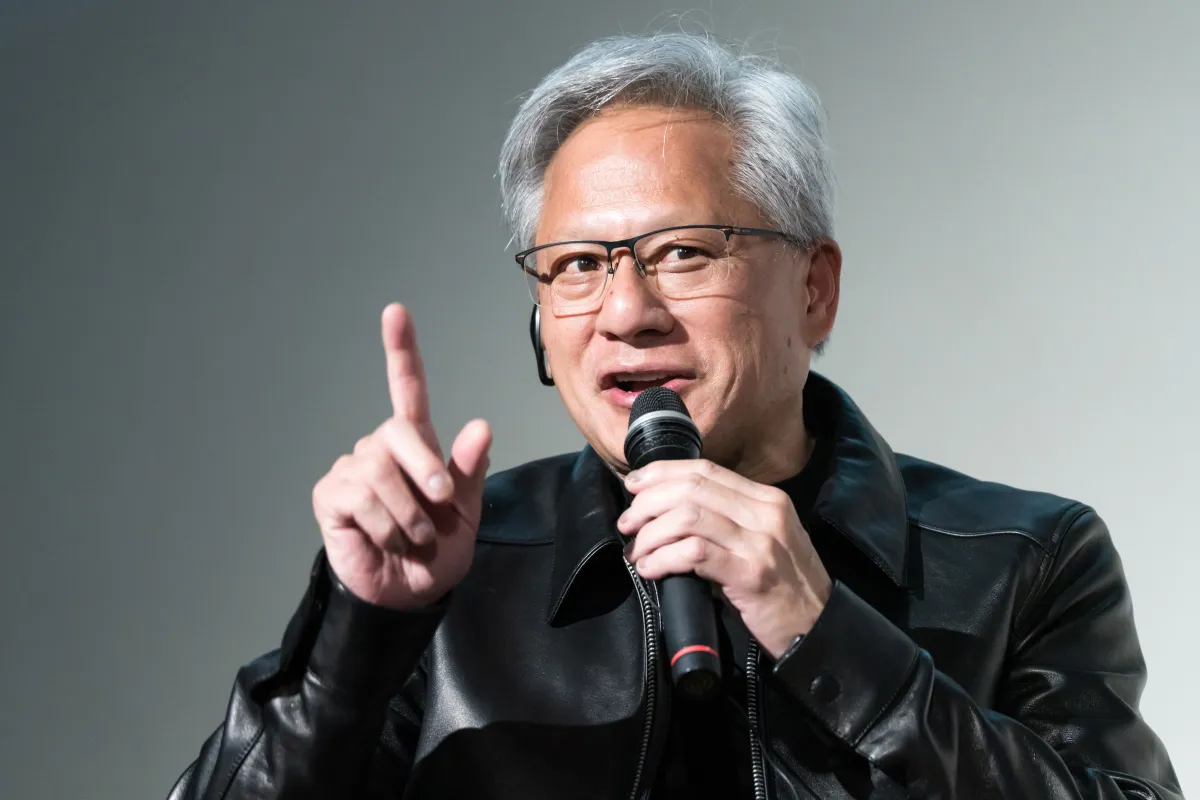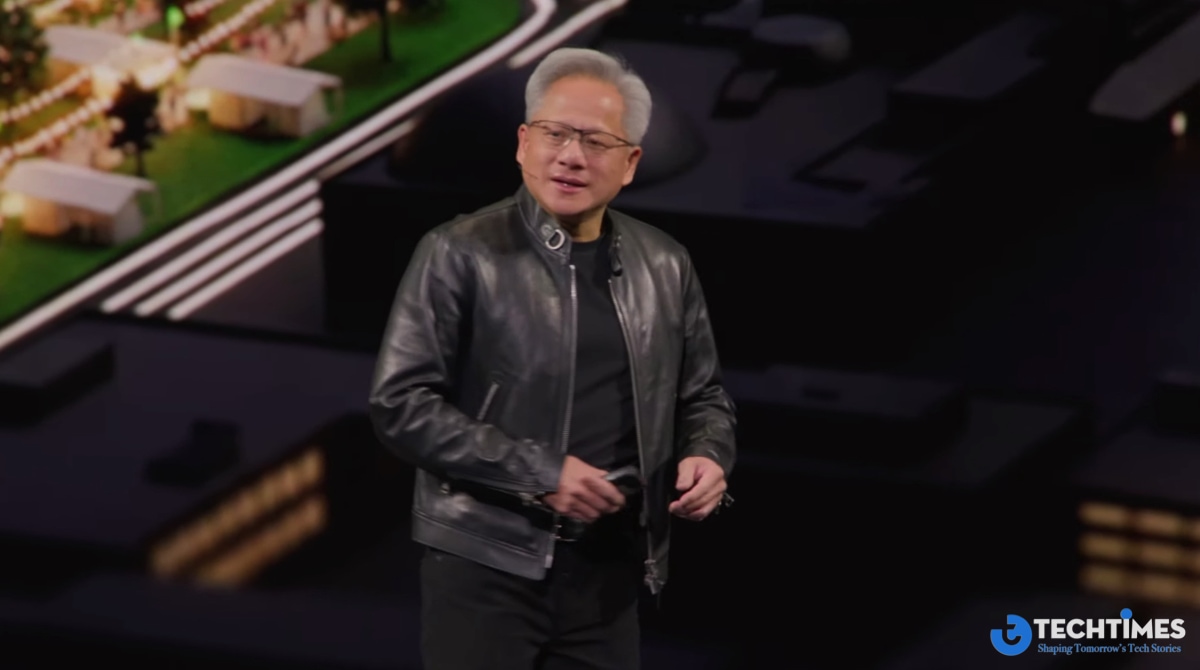






Nvidia co‑founder Jensen Huang stepped down amid allegations of multiple affairs, including ties to a suspected Chinese spy. The upheaval threatens the stability of AI chip supplies to Vietnam, where Nvidia hardware underpins key projects.
Resignation of Jensen Huang and immediate fallout
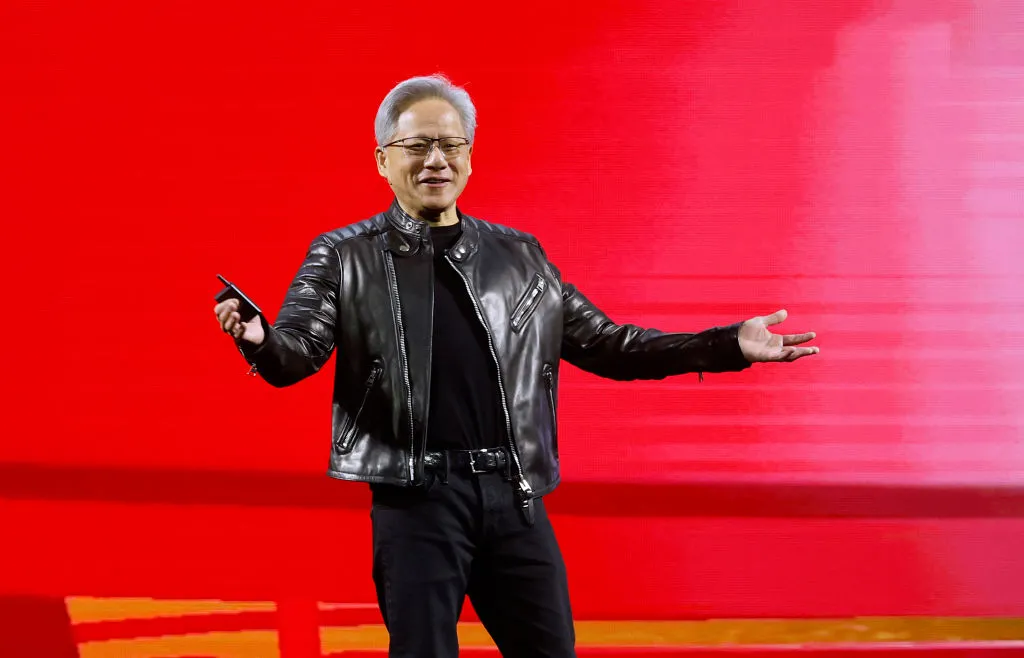
On November 12, 2026, Nvidia’s board accepted the resignation of co‑founder Jensen Huang, ending a 33‑year tenure at the helm of the AI‑chip powerhouse. CFO Colette Kress was named interim CEO while retaining her finance duties, signaling an abrupt leadership shift amid mounting scandal.

The resignation followed a series of reports from Reuters and The New York Times alleging that Huang had engaged in at least three extramarital affairs. One of the women, Alice Huang, is a Chinese citizen employed by Singapore‑based AI‑infrastructure firm Megaspeed and is suspected by U.S. officials of acting as a Beijing spy.
U.S. lawmakers, including Rep. Richard Neal and Sen. Ron Wyden, have demanded a review of the Trump administration’s decision to permit Nvidia’s export of its high‑performance H200 chips to China in December 2025. They argue the decision was made despite intelligence warnings about Huang’s compromising relationship.
Implications for Vietnam’s AI chip supply chain
Vietnam’s leading AI initiatives – from university research labs to commercial startups – rely heavily on Nvidia’s H200 and Blackwell GPUs for training large language models and high‑throughput inference. These chips are considered the backbone of the country’s emerging AI ecosystem.
Any export‑control restrictions or contractual disruptions stemming from the scandal could delay projects that are already in production, increase costs, and slow the pace of innovation. This risk is amplified as Vietnam pushes its national AI strategy and seeks foreign investment in high‑tech sectors.
Megaspeed partnership and its scrutiny
Megaspeed, which purchased roughly $4.8 billion worth of Nvidia chips over the past two years, has supplied AI‑infrastructure services to several Vietnamese data‑center operators and fintech firms. Ongoing investigations by U.S. and Singaporean authorities may jeopardize those contracts.
Vietnamese companies that depend on Megaspeed could face sudden service interruptions, forcing them to either source alternative providers or invest in building in‑house capabilities – both of which demand significant capital and talent resources.
Potential responses from Vietnamese industry and government
The Ministry of Science and Technology is reportedly drafting contingency plans that include diversifying chip suppliers, strengthening ties with AMD and Intel, and incentivising domestic semiconductor development through tax breaks and R&D grants.
Local AI firms are already exploring AMD Radeon Instinct GPUs as a stop‑gap, despite lower performance compared to Nvidia’s flagship models. Some startups are also negotiating directly with Samsung and TSMC for custom silicon solutions to reduce reliance on a single vendor.
Outlook for Nvidia’s operations in Southeast Asia
Nvidia maintains a regional R&D hub in Singapore, which serves as the primary gateway to Southeast Asian markets, including Vietnam. The company is expected to continue supplying chips, but may impose tighter export controls and more rigorous compliance checks.
If investigations prolong, Nvidia could scale back investment in large‑scale projects in Vietnam, shifting focus to markets with more predictable regulatory environments. This would open space for regional competitors and local chip‑fab initiatives, but also pose a strategic challenge for Vietnamese enterprises that have built their roadmaps around Nvidia technology.
Analysts anticipate short‑term price pressure on AI GPUs as supply tightens, prompting Vietnamese firms to allocate larger budgets for hardware procurement and to consider multi‑vendor strategies to mitigate future disruptions.
TechTimes Perspective
TechTimes believes Jensen Huang’s departure signals a broader vulnerability in the global AI‑chip supply chain, with direct repercussions for Vietnam’s fast‑growing AI sector. As the country depends heavily on Nvidia’s H200 and Blackwell GPUs, any export‑control or legal constraints could delay critical projects and raise hardware costs. It is likely that the Vietnamese government will accelerate policies to support domestic semiconductor capabilities and diversify import sources, while local firms may increasingly adopt alternative GPU providers to safeguard their development pipelines.