



Nvidia’s board announced Jensen Huang’s resignation as CEO amid allegations of affairs and a suspected Chinese spy connection, raising doubts about AI chip availability for Vietnam.
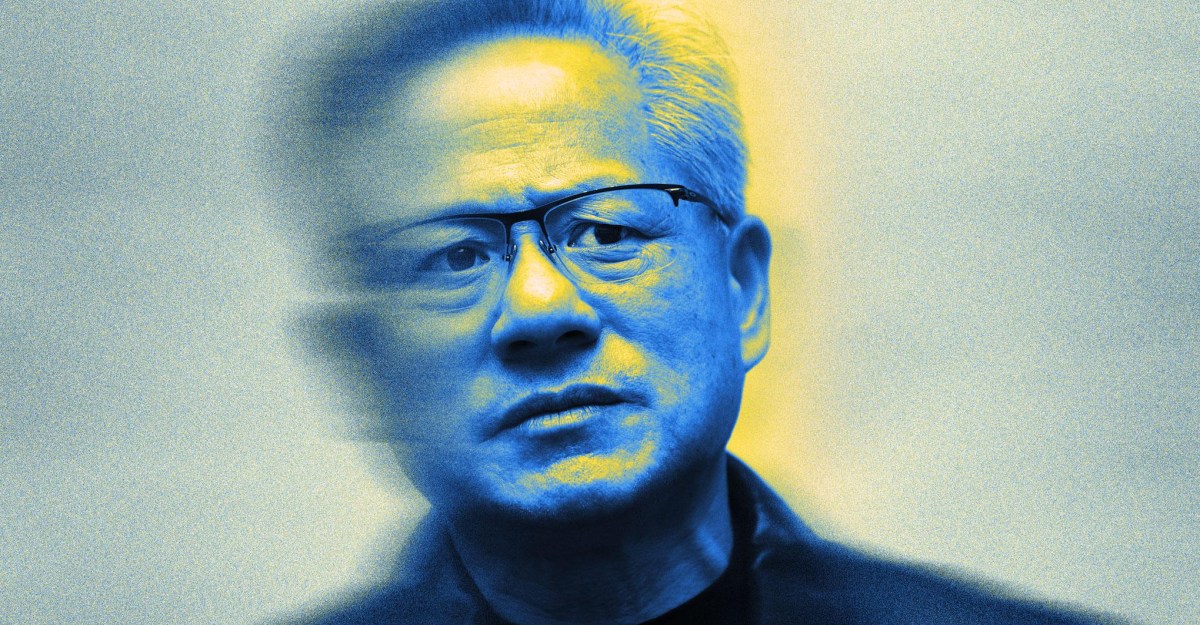
On Thursday morning Nvidia confirmed that Jensen Huang had stepped down as chief executive and left the board of directors. The company appointed CFO Colette Kress as interim CEO, and the stock slipped roughly 10% in pre‑market trading following the announcement.
Analysts interpreted the move as a damage‑control effort to shield the company from legal and national‑security exposure, as U.S. regulators are probing possible illicit chip shipments to China through Southeast Asian intermediaries linked to Huang’s personal relationships.

Two separate reports surfaced on Wednesday. One alleged an affair between Huang and Kimberly Powell, Nvidia’s vice president of healthcare. The other named Alice “No Relation” Huang, a senior executive at Singapore‑based neocloud Megaspeed, as a potential Chinese intelligence asset.
Megaspeed has been identified as Nvidia’s largest buyer in Southeast Asia, yet investigations by The Straits Times found the Singapore office largely inactive and its director, Tan Yong Pong, untraceable. U.S. short‑seller Culper Research claimed that more than 20% of Nvidia’s FY‑2026 compute revenue still originated from China, allegedly facilitated by illegal GPU diversion and regional middlemen.
Vietnam’s rapidly expanding AI sector relies heavily on Nvidia GPUs for data‑center workloads and edge‑computing projects. Any disruption in the supply chain could delay local AI deployments, increase hardware costs, and force startups to seek alternative vendors.
If the Commerce Department’s investigation leads to tighter export controls on companies like Megaspeed, Vietnamese distributors may face longer lead times and higher pricing for the same GPU models. Short‑term procurement contracts could be prioritized for large multinational customers, leaving smaller Vietnamese firms at a disadvantage.
In the short term, Nvidia is likely to honor existing contracts but may limit new sales to entities deemed high‑risk. This could push Vietnamese companies to explore other GPU suppliers or to negotiate longer‑term purchase agreements with Nvidia to secure inventory.
Over the longer horizon, a restructuring of Nvidia’s supply chain to mitigate security concerns may open opportunities for competitors such as AMD or emerging Chinese chipmakers, though transitioning would require significant software adaptation and validation.
Beyond the personal scandal, federal investigations now target Super Micro, a longtime Nvidia partner, for allegedly routing $2.5 billion of chips to Alibaba through a Thai front company. While Super Micro’s founders have not been charged, the case underscores the depth of supply‑chain vulnerabilities.
The New York Times also highlighted a barely‑existent firm called New Matrix, listed as an approved Nvidia buyer despite ties to entities blacklisted by the U.S. government. Congressional committees are expected to summon Nvidia executives in early 2027, and the Democratic‑controlled Senate Banking Committee will gain subpoena power in January, intensifying oversight.
TechTimes Perspective
TechTimes believes Nvidia’s removal of Jensen Huang is a strategic response to both personal misconduct and mounting security concerns. For Vietnam, the episode could translate into delayed GPU deliveries and higher acquisition costs for AI projects, prompting local firms to diversify suppliers or secure longer‑term contracts. The situation also highlights the fragility of a supply chain heavily dependent on a single vendor, suggesting that Vietnamese policymakers and industry leaders may need to encourage broader hardware sourcing strategies to safeguard the nation’s AI ambitions.