



Xiaomi 18 Pro debuted globally on November 17 in Paris, featuring a Cosmic Blue glass back, a rear secondary display, HyperOS 4, Snapdragon 8 Elite Gen 6 and Leica‑branded 200MP cameras.
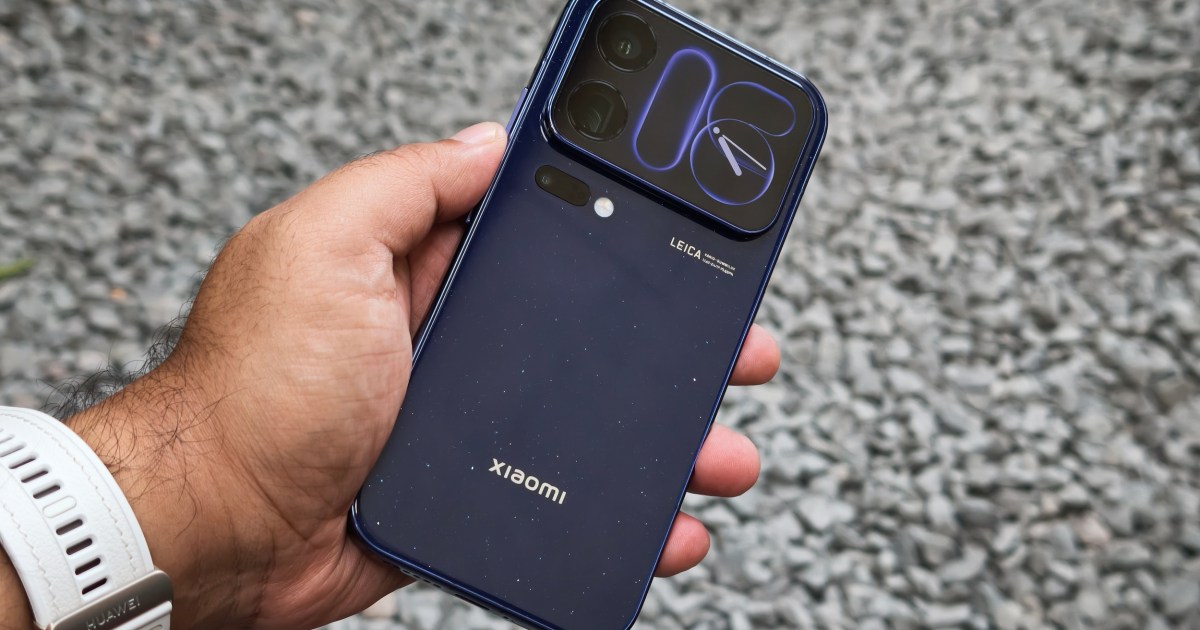
The device arrives in a glossy Cosmic Blue finish, where the reflective glass back feels silky to the touch. Paired with an aluminum alloy frame, the construction feels premium and sturdy, while the thin bezels give the phone a sleek silhouette.
Weighing roughly 200 grams, the 18 Pro remains comfortably operable with one hand despite its solid build. The back is prone to fingerprints and dust, but Xiaomi includes a protective case in the box to mitigate the issue.

Unlike many flagship bundles, the European review unit does not ship with a power brick, only a USB‑C cable, reflecting the industry trend of reducing accessories.
A 1.3‑inch OLED screen is tucked into the camera module, offering a dedicated viewfinder for selfies and quick camera controls. This eliminates the need to flip to the front‑facing camera for self‑portraits.
The secondary screen lets users frame shots, adjust exposure and toggle camera settings while keeping the main display free for other tasks. The UI on this tiny screen is responsive and intuitive, making the workflow smooth.
Music playback controls also appear on the rear screen, allowing play‑pause or track changes without unlocking the device. Though not as convenient as a larger display, the feature feels novel and handy for quick interactions.
Xiaomi also embeds Lumi, an animated companion, on the secondary display, hinting at future interactive possibilities.
HyperOS 4 continues Xiaomi’s tradition of deep Android customization. Users can switch themes, modify Always‑On Display styles, set fingerprint animations and personalize lock‑screen aesthetics with ease.
The OS leans heavily on translucent, Liquid‑Glass‑inspired effects that give the interface a modern look, though prolonged use may feel visually tiring for some users. Fortunately, these effects can be disabled or toned down.
Motion Assist, carried over from Android 17, reduces motion‑induced discomfort when the phone is used in a moving vehicle, positioning Xiaomi alongside Google and Vivo in offering quality‑of‑life features.
One drawback remains the split notification and quick‑settings panels, which require swiping from opposite edges. Competitors such as Apple and Vivo provide combined layouts, making this a potential area for improvement.
The 18 Pro packs a 200 MP primary sensor and a 200 MP telephoto unit with a 75 mm equivalent focal length, both using a large 1/1.56‑inch sensor. This hardware promises high‑detail captures and strong optical zoom capabilities.
The main sensor delivers impressive low‑light performance while preserving fine detail, and the telephoto lens offers crisp zoom without the typical noise seen in smaller sensors.
The flagship‑grade main screen incorporates Xiaomi’s Privacy Display, which narrows the viewing angle to protect on‑screen content. Compared with Samsung’s implementation, the effect is subtler yet retains more color fidelity.
Three Leica color modes – Original, Vibrant and Authentic – are available, allowing users to choose a visual style without the heavy vignetting of classic Leica presets.
Key specifications
| Feature | Specification |
|---|---|
| Main display | 6.73‑inch AMOLED, 1440×3200 resolution, HDR10+ |
| Secondary display | 1.3‑inch OLED integrated in camera module |
| Processor | Snapdragon 8 Elite Gen 6 |
| Camera system | 200 MP main + 200 MP telephoto 75mm |
| Battery | 5000 mAh, 80W fast charging |
| OS | HyperOS 4 (Android 14) |
TechTimes Perspective
TechTimes believes the Xiaomi 18 Pro marks a significant shift toward truly compact flagships, delivering premium materials, a rear secondary screen and Leica‑branded 200 MP optics within a 200‑gram chassis. Its global launch in Paris on November 17 signals Xiaomi’s intent to strengthen its foothold in Europe, where consumers increasingly value one‑handed usability and multitasking features. Should the Vietnamese pricing align with the mid‑high tier, the device could attract users seeking flagship performance without the bulk of traditional large‑screen phones, potentially pressuring rivals such as Samsung and Apple to revisit their size strategies in the premium segment.