






Apple has revised its U.S. trade-in estimates, raising values for several older iPhones, lowering those for iPhone 17 Pro models, and adding six Samsung foldable phones to the Trade-In program.
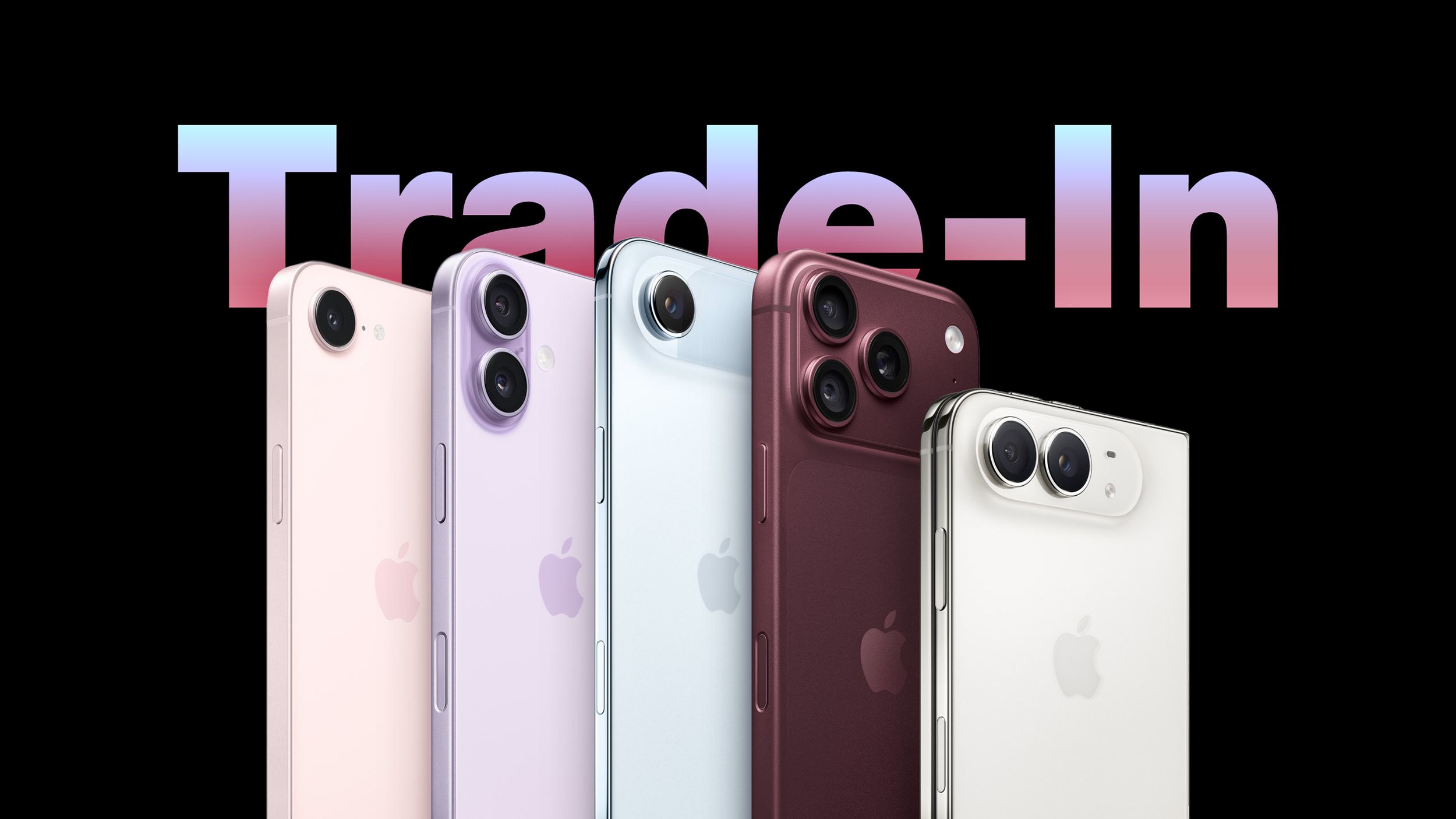
Apple announced a refresh of its U.S. trade-in pricing today. The changes boost credit for a number of legacy iPhone models, trim the maximum credit for the new iPhone 17 Pro line, and introduce six Samsung foldable devices to the program. All figures apply to transactions made through Apple Trade-In.
The iPhone 17 Pro’s top credit drops $45 to $740, while the iPhone 17 Pro Max falls $30 to $855. In contrast, the iPhone Air and the standard iPhone 17 each gain $30, reaching $615. The second‑generation iPhone SE rebounds to $45, fully reversing a $5 cut made in September.

For Android owners, Apple now accepts six Samsung foldables, with the Galaxy Z Fold7 offering the highest maximum credit and the Galaxy Z Flip5 the lowest. The other four Samsung models are also listed, though Apple did not disclose their exact values. This move widens the upgrade path for users switching to Apple hardware.
Google Pixel devices see modest adjustments: the Pixel 9 loses $20—the largest reduction among the Pixels—while the Pixel 7 gains $5. Apple Watch updates are similarly small; the Ultra 2 gains $10, three other watches gain $5 each, and the original Ultra and Series 7 each lose $5. Mac and iPad trade‑in values remain unchanged from the October rollout, with a $2,560 cap for the Mac Pro and $915 for the iPad Pro.
Apple also refined its condition grading system, granting higher credits to devices with minor cosmetic wear that previously were penalized like more seriously damaged units. Actual trade‑in offers depend on the device’s condition, year, and configuration; eligible devices can be exchanged for purchase credit or an Apple Gift Card, while those with no trade‑in value can be recycled for free.
TechTimes Perspective
Apple’s decision to include Samsung’s foldable phones in its Trade-In program signals a broader effort to attract Android users who own premium devices. By offering credit for high‑end foldables, Apple may increase the flow of customers into its ecosystem, potentially pressuring local retailers to adjust their own upgrade incentives. In Vietnam, if similar credit levels are applied, consumers could receive attractive value when swapping a Samsung foldable for an iPhone, though the final impact will depend on local pricing, availability of Apple Gift Cards, and the speed of program rollout.