






Apple’s fourth‑generation Apple TV 4K, equipped with an A19 processor and beta Siri AI, ships on November 13 for $299, adding far‑field microphones, six‑person voice profiles and a revamped Siri Remote with Find My speaker.
Fourth‑generation Apple TV 4K debuts with A19 chip and Siri AI
Apple introduced the fourth‑generation Apple TV 4K on November 13, pricing the set‑top box at $299. The device is powered by Apple’s new A19 SoC, which Apple says delivers a noticeably faster tvOS experience. Alongside the chip, the unit ships with a beta version of Siri AI, the company’s conversational assistant that has been expanded to the living‑room screen. Review units were tested with tvOS 27.2, confirming the new software is pre‑installed.

Out of the box the Apple TV runs tvOS 27.0, but the setup wizard prompts owners to download the 27.2 update that contains the Siri AI build. Apple has not announced a public release date for tvOS 27.2.1, the version that will bring Siri AI to second‑ and third‑generation Apple TV 4K models, though internal documents suggest it could appear within days. The update process is handled automatically when the device is connected to Wi‑Fi.
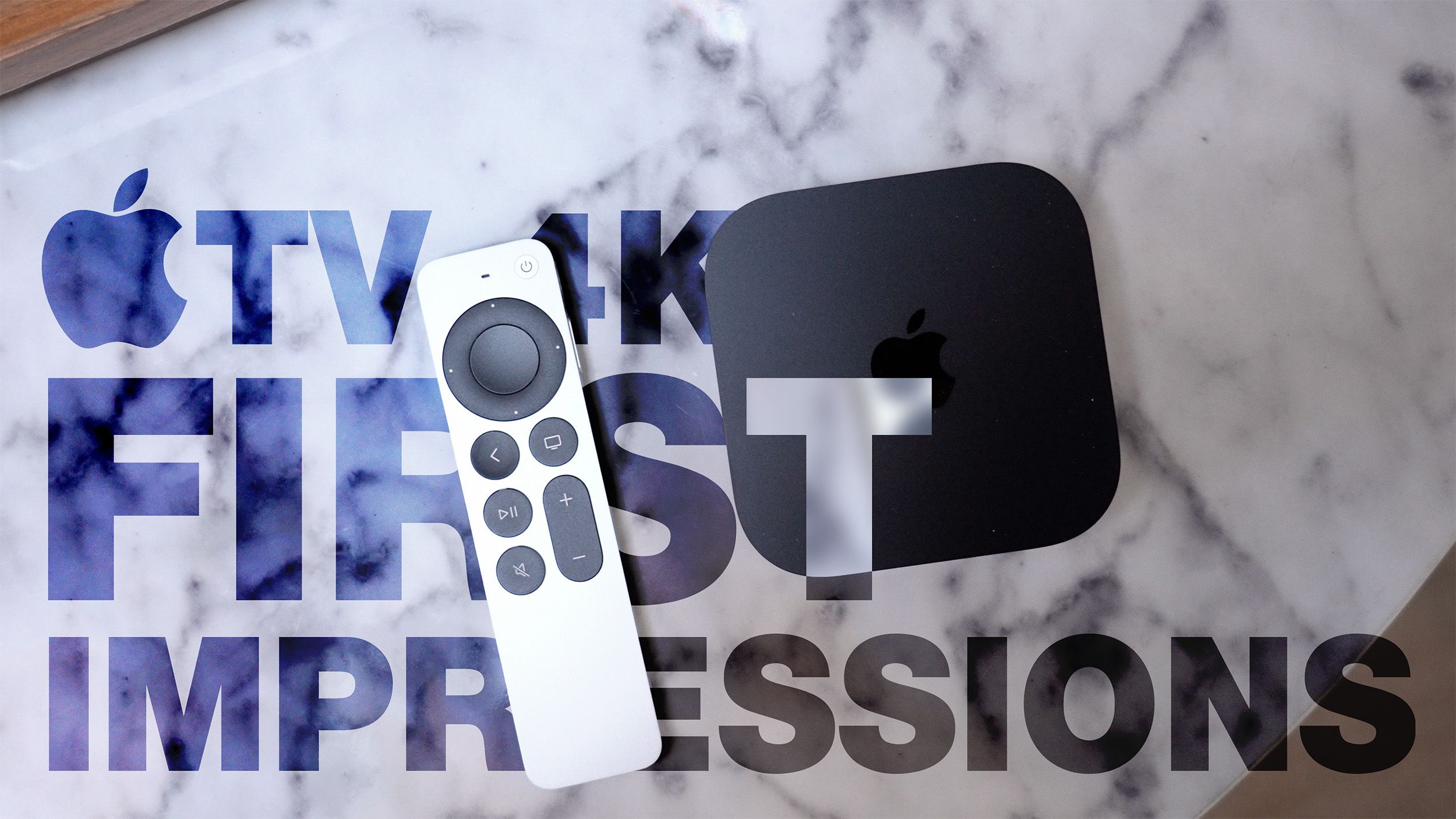
The A19 processor, built on a 5‑nanometer node, offers higher single‑core performance and more GPU cores than the A12 chip found in the previous generation. Early benchmarks indicate smoother navigation and reduced latency in Apple Arcade titles, a benefit for users who treat the Apple TV as a casual gaming platform. The hardware upgrade also supports four‑channel HomePod surround sound, a feature unavailable on older models.
Siri AI functionality and device requirements
Siri AI on the Apple TV uses far‑field microphones embedded in the chassis, allowing users to say “Hey Siri” without reaching for the remote. The system can recognize up to six distinct voices, delivering personalized recommendations and context‑aware responses for each household member. However, during hands‑on testing the assistant struggled with follow‑up questions and answered correctly only part of the time, reflecting its beta status.
To enable Siri AI, the primary user must pair an iPhone or iPad that already supports the same AI framework. Personal context, such as calendar entries or music preferences, is only shared when each individual owns a compatible iPhone 15 Pro, iPhone 15 Pro Max or later device. Without a paired Siri‑AI‑enabled device, the Apple TV falls back to the classic Siri voice commands.
Software rollout for older Apple TV models
Apple confirmed that tvOS 27.2.1 will extend Siri AI support to second‑ and third‑generation Apple TV 4K units. The update has not yet been released publicly, but internal support documents indicate it may ship as early as the coming Friday. Once installed, older models will gain the same voice‑recognition capabilities, though they will retain the older A12 processor.
The rollout requires each older Apple TV to be linked to a nearby Siri‑AI‑compatible iPhone, such as the iPhone 15 Pro or later. Users will receive a notification prompting the update during the regular tvOS upgrade cycle. Apple has not disclosed whether any performance enhancements will accompany the software on legacy hardware.
Hardware updates and remote enhancements
The Siri Remote retains its familiar design but adds an internal speaker that can emit a tone when the remote is misplaced, leveraging the Find My network. Pressing the new “Find My” button triggers the speaker, helping users locate the device in a couch cushion or under a coffee table. This feature works with any iPhone that supports Precision Finding.
In addition to the speaker, the remote now supports Precision Finding when paired with an iPhone Air, iPhone Duo, or iPhone 17 series (excluding the iPhone 17e). The iPhone’s Ultra‑Wideband chip provides directional cues on the screen, guiding the user directly to the remote’s location.
Enhanced audio and gaming capabilities
Apple TV 4K (4th gen) can now drive up to four HomePod speakers for a true surround‑sound experience, a capability marketed as “HomePod surround.” The feature uses AirPlay 2 to synchronize audio across the speakers, delivering immersive sound for movies and games. This setup is exclusive to the latest hardware, as older Apple TVs lack the necessary processing power.
Gamers will notice reduced input lag and smoother frame rates when playing Apple Arcade titles, thanks to the A19’s improved GPU. While the device does not support external graphics cards, its built‑in performance is sufficient for most casual and mid‑range games available on the platform.
Pricing, upgrade considerations and future software support
At $299, the fourth‑generation Apple TV 4K costs twice as much as the previous model was priced at the same point last year. The steep increase reflects the new A19 chip, Siri AI integration and the upgraded remote, but it also raises the bar for consumers deciding whether to upgrade.
For owners of second‑ or third‑generation Apple TV 4K, the upcoming tvOS 27.2.1 update will bring Siri AI without requiring new hardware, making a hardware upgrade less compelling. Users with older Apple TV (HD or first‑generation 4K) may find the new features—especially voice personalization and HomePod surround—worth the extra cost.
Apple has not announced any promotional pricing or bundle options for the launch. Analysts predict that the price point could limit adoption in price‑sensitive markets such as Vietnam, where the $299 tag translates to roughly 7 million VND. TechTimes expects that retailers may offer discounts after the initial launch window.
Key specifications
| Feature | Detail |
|---|---|
| Chip | A19 |
| tvOS version at launch | 27.0 (upgradable to 27.2) |
| Price | $299 |
| Max HomePod pairing | 4 |
TechTimes Perspective
TechTimes believes the launch of the fourth‑generation Apple TV 4K marks Apple’s push to bring conversational AI deeper into the living‑room ecosystem. While the A19 chip and Siri AI promise a smoother, more personalized experience, the $299 price may deter budget‑conscious buyers, especially in markets like Vietnam where the cost is high relative to local income. The decision to keep the hardware design unchanged suggests Apple is leveraging software differentiation rather than a radical redesign. If the beta Siri AI matures quickly and the upcoming tvOS 27.2.1 update rolls out smoothly, the device could become a central hub for HomePod‑based audio and Apple Arcade gaming, but its success will hinge on price perception and the utility of voice‑first interactions.