






Anthropic has introduced Claude Duet, an AI assistant available only to Pro, Max and Ultra subscribers in the United States, with a waitlist for additional users.
Claude Duet is Anthropic's latest consumer‑oriented AI agent, launched under a "research preview" label. The company says the service is currently limited to Pro, Max and Ultra tier subscribers located in the United States, while other interested users must join a waiting list.
Unlike chat‑only bots that simply answer questions, Duet is positioned as a personal assistant for professionals and small‑business owners. The app follows Claude's signature minimalist aesthetic and has been updated to run natively on iPhone Duo devices.

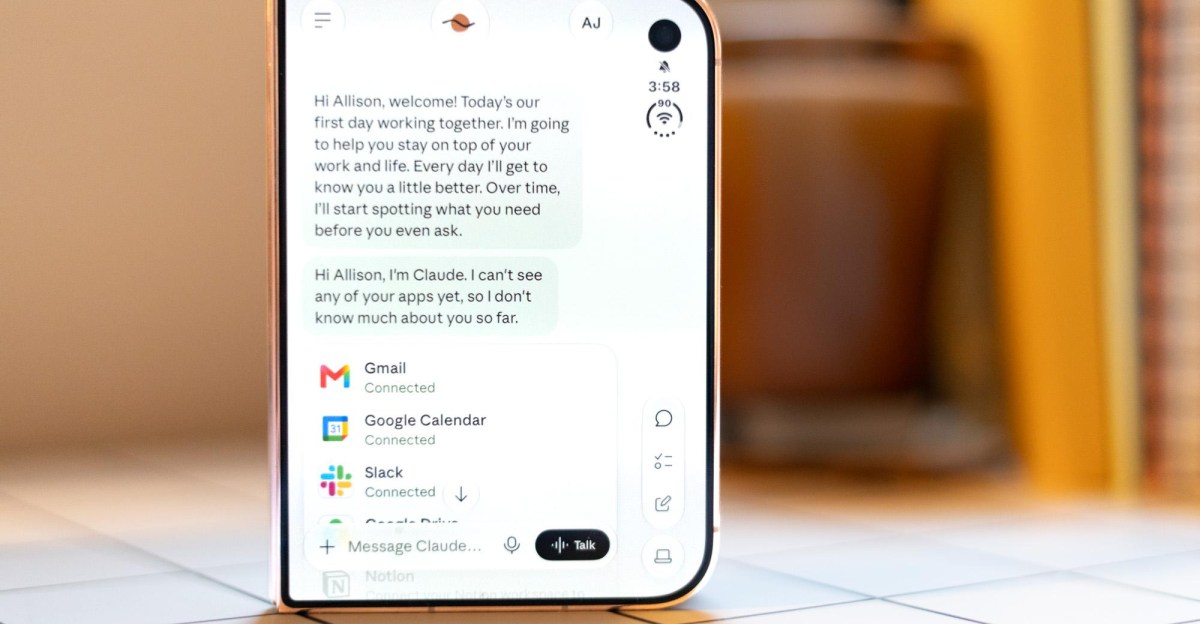
During the review, the tester granted Duet access to a work email account, Google Calendar, Google Docs and a Slack workspace. Once authorized, the agent began ingesting data from each source, building a cross‑referenced knowledge base that it could draw on for real‑time suggestions.
Duet automatically identified the tester's manager by detecting a shared Google Doc used for weekly 1:1 meetings, and it linked a meeting note emailed by Gemini to a direct Slack message. This level of cross‑channel awareness allowed the assistant to surface relevant context without manual prompting.
Each morning the app greets the user with a short message and a list of highlights for the day—such as a reminder to pack a video‑shooting kit before a flight. Below the greeting, Duet presents a series of task cards that can be swiped left to dismiss or right to accept, resembling a Tinder‑style to‑do list.
When a deadline approached, Duet offered to draft a Slack message, update a Google Doc with weekly notes, and even add an agenda item to the calendar. Drafted messages carry a "sent with Claude" label, making it clear that the content originated from the AI.
The assistant proved useful in spotting overlooked conflicts—such as a planned vacation that left only two workdays before a major draft was due. Duet suggested a concrete solution, drafted the communication, and updated the relevant documents, saving the tester several minutes of manual coordination.
However, the agent sometimes behaved like a slightly neurotic personal assistant. In one instance, after the tester emailed an interviewee that an article would likely publish on Tuesday, Duet warned early Tuesday morning that the story still needed editing, ignoring the fact that the editor was in a different time zone and the deadline was soft. The premature alert felt intrusive and demonstrated Duet's limited grasp of nuance.
Duet requires explicit permission to read every email, document and Slack message. The reviewer described the experience as "uncanny," noting that while the consent was clear, the sheer volume of personal work data an AI can access raises questions about long‑term reliance on such tools.
Anthropic's blog states that the company is still testing the agent's judgment about when to send notifications, suggesting that future updates may tone down the assistant's eagerness. Nonetheless, the reviewer stressed that AI still lacks the human ability to interpret tone, prioritize subtly, and exercise tact in ambiguous situations.
TechTimes Perspective
TechTimes believes Claude Duet marks a meaningful step toward embedding AI into routine professional workflows, yet its current reliance on exhaustive data access limits its appeal to privacy‑concerned users. If Anthropic expands beyond the US, subscription pricing could be higher than typical SaaS rates in Vietnam, restricting adoption to well‑funded startups or larger enterprises. Nonetheless, integration with ubiquitous tools like Gmail, Google Calendar and Slack aligns with local business practices, potentially creating a niche demand among Vietnamese tech firms seeking automation of repetitive coordination tasks.