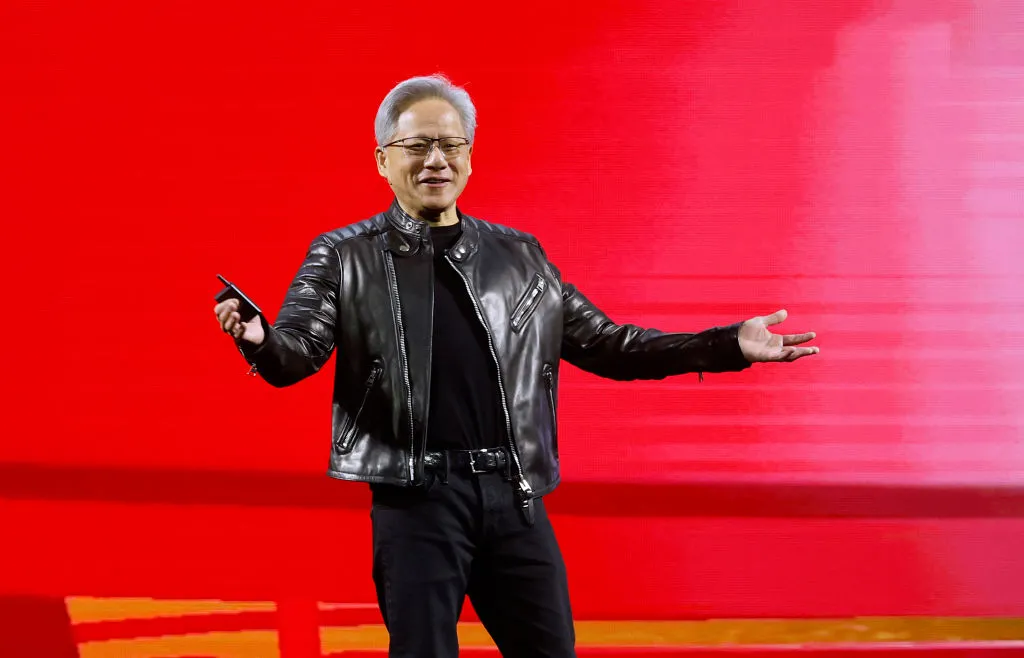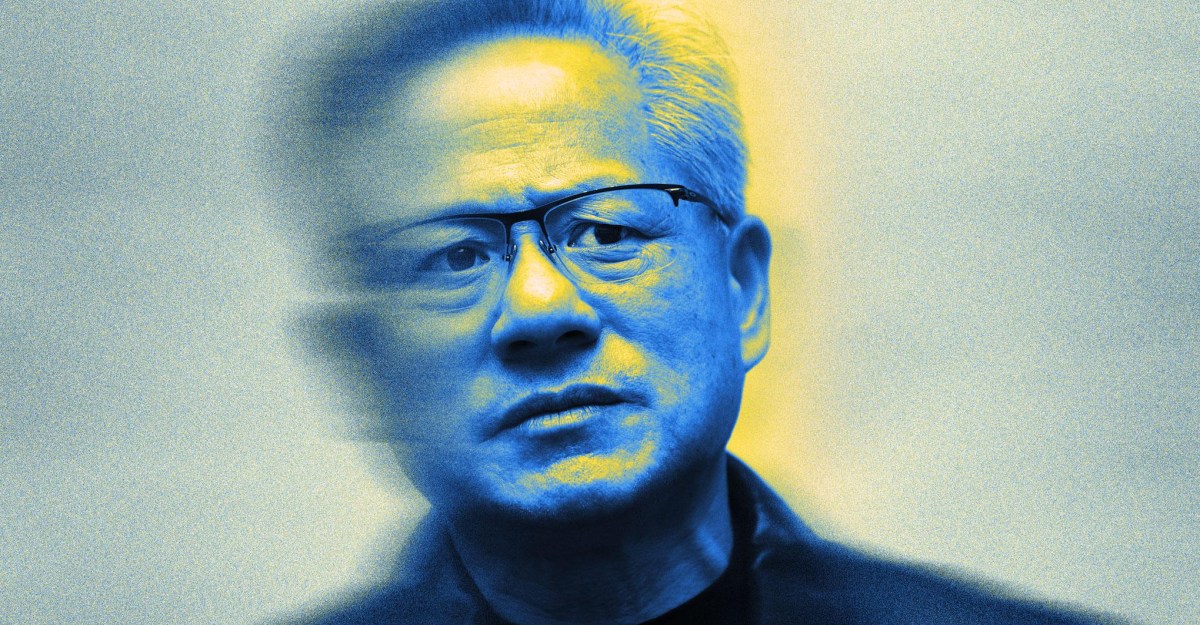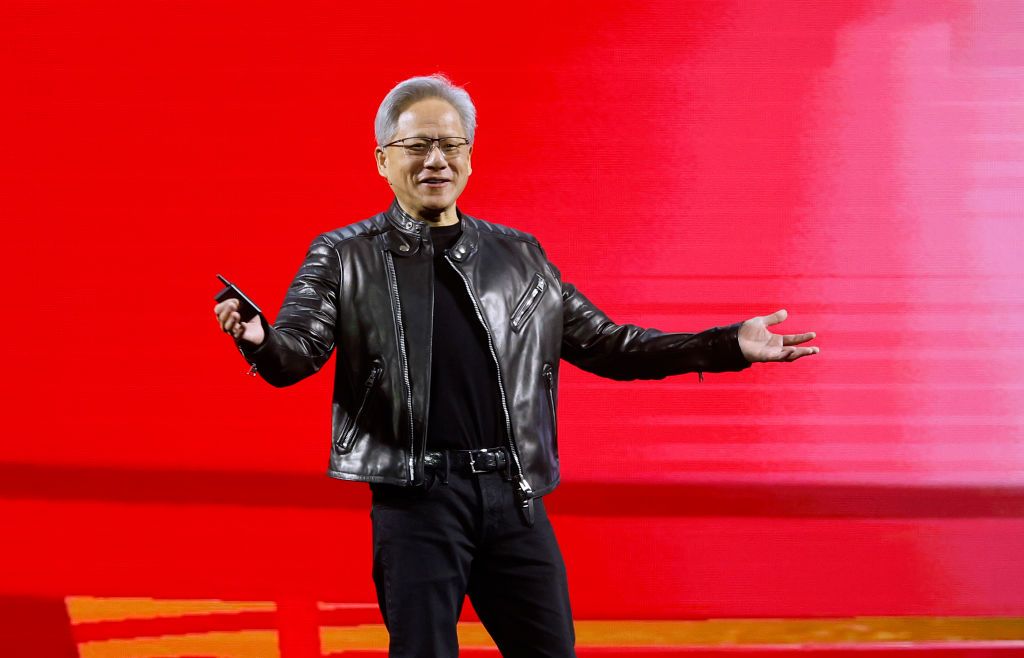






A public petition calling on Nvidia to reinstate Jensen Huang has amassed over 115,000 signatures, among them 5,965 current employees, 1,108 former staff, 63,063 shareholders and high‑profile supporters such as Elon Musk.
As of Saturday afternoon, the online petition urging Nvidia’s board to bring back former CEO Jensen Huang has collected more than 115,000 signatures. The sign‑up list includes 5,965 current Nvidia employees, 1,108 former employees, and 63,063 shareholders, while notable figures like Tesla and SpaceX chief Elon Musk, Replit CEO Amjad Masad, Epic Games founder Tim Sweeney and Y Combinator’s Garry Tan also added their names.
The petition argues that Huang’s removal lacked “meaningful due process” and demands that the board “bring him back while an independent investigation establishes the facts.” It also calls for a transparent inquiry and public disclosure of the findings, warning against what it describes as “mob justice.”

Huang stepped down on Thursday, four days after admitting an affair with a chip executive suspected by U.S. intelligence of being a Chinese spy. He has agreed to testify before Congress, and media reports suggest additional extramarital relationships. Nvidia named CFO Colette Kress as interim CEO and has opened a search for a permanent replacement.
The leadership shake‑up sent Nvidia’s share price tumbling throughout the week, raising concerns about a potential funding gap in the AI industry. For Vietnam, where many enterprises and research institutes rely on Nvidia’s AI chips, uncertainty at the top could translate into supply‑chain volatility and higher procurement costs.
If the board opts for a swift reinstatement or a clear, independent investigation, investor confidence may recover, stabilising the chip supply chain. Conversely, a prolonged search for a new CEO could exacerbate price pressure and delivery delays for Vietnamese customers, prompting them to explore alternative suppliers or renegotiate existing contracts.
TechTimes Perspective
TechTimes believes the Nvidia petition reflects broader unease among investors and employees about the company’s governance amid a leadership crisis. In Vietnam, where AI chip demand is accelerating, any disruption at Nvidia could raise costs and extend lead times for local firms. It is likely that Vietnamese companies will intensify negotiations with alternative chip makers or accelerate domestic development to mitigate reliance on Nvidia. A prompt, transparent resolution by Nvidia’s board would therefore be critical to preserving market confidence in the region.