





Bloomberg reports that Apple has created iPhone Duo 2 prototypes with Face ID integrated, yet the inclusion of the feature in the commercial device is not confirmed.
Apple's first foldable, the iPhone Duo, faced criticism for lacking Face ID, the quick facial recognition system introduced with the iPhone X. Instead, the device relies on a fingerprint sensor embedded in the side‑mounted power button, a shift that many users found inconvenient.
According to Bloomberg, Apple engineers have already produced prototype units of the second‑generation iPhone Duo 2 that incorporate Face ID on the outer display. The report says work is ongoing to embed the facial‑recognition system into the foldable screen, but no guarantee has been given that the feature will survive to production.

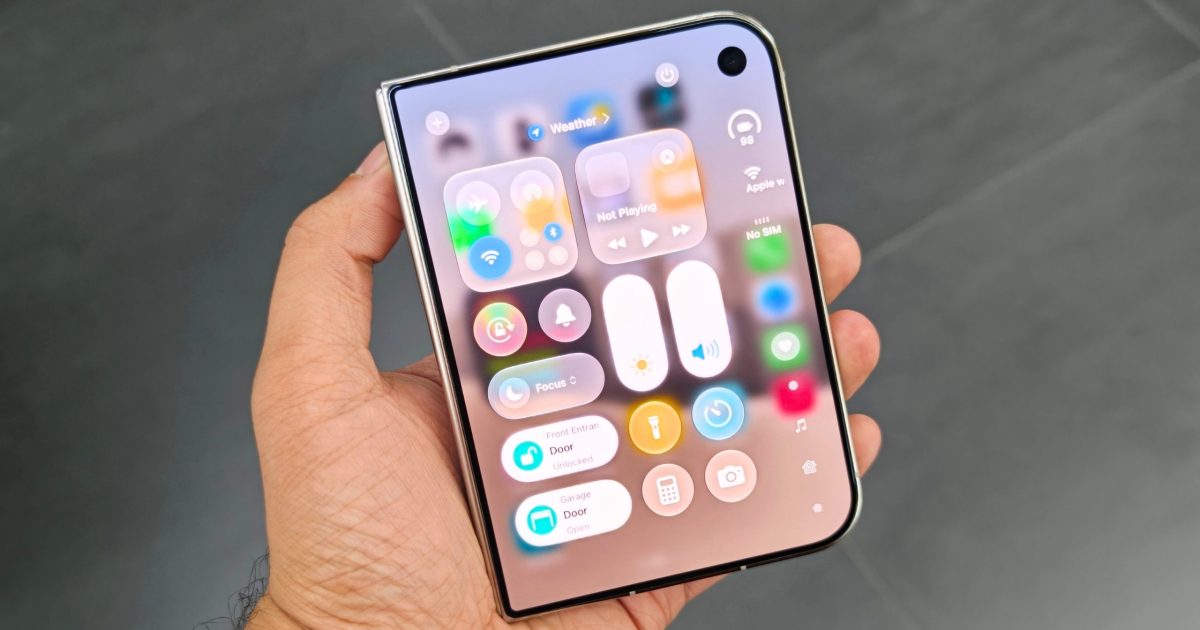
The iPhone Duo 2, codenamed V78 internally, is slated for a launch next fall. Apple typically locks in hardware specifications well before a product reaches market, meaning the current stage is crucial for deciding Face ID's fate. Bloomberg's Mark Gurman describes the outcome as a "toss‑up," indicating the decision could go either way.
Beyond facial unlock, Apple is reportedly planning an Action button that may be merged with the existing Camera Control button. Additional rumored upgrades include a telephoto zoom camera and a thinner, lighter chassis compared with the original iPhone Duo, aiming to improve ergonomics and durability.
Should Face ID make it onto the iPhone Duo 2, the upgrade would address a major shortfall of the first model and could boost appeal in premium markets such as Vietnam, where consumers value fast, secure authentication. If the feature is omitted, Apple will need to rely on the new Action button and camera enhancements to persuade buyers.
TechTimes Perspective
TechTimes believes Apple’s effort to integrate Face ID into the iPhone Duo 2 signals a clear response to the criticism of the first foldable. Including facial unlock could make the device more attractive to Vietnamese high‑end users who have grown accustomed to Face ID on flagship iPhones. However, the hardware decision remains uncertain; if Apple ultimately drops the feature, the company will have to lean on other improvements such as the Action button and telephoto lens to sustain market interest.