
Close Menu
TechTimes VietnamTechTimes Vietnam
  • News
  • Digital Life
  • Business
  • Tip & Trick
  • Science

Đăng ký bản tin

Cập nhật thông tin, đánh giá, bình luận... trong hộp thư email.

Facebook X (Twitter) Instagram YouTube LinkedIn TikTok RSS
Facebook X (Twitter) TikTok LinkedIn RSS
TechTimes VietnamTechTimes Vietnam
  • News
  • Digital Life
  • Business
  • Tip & Trick
  • Science
TechTimes VietnamTechTimes Vietnam
From Vera Rubin and RTX Spark to Cosmos 3 robotics, NVIDIA unveiled a sweeping vision for a future where autonomous AI agents become a core part of the global digital workforce.

[COMPUTEX 2026] GTC Taipei 2026: Jensen Huang Unveils NVIDIA’s Vision for the Agentic AI Era

05/06/2026Đô Nguyễn5 Mins Read
Đọc bài
Tự động

From Vera Rubin and RTX Spark to Cosmos 3 robotics, NVIDIA unveiled a sweeping vision for a future where autonomous AI agents become a core part of the global digital workforce.

At GTC Taipei 2026, NVIDIA CEO Jensen Huang outlined what may be the next major chapter in artificial intelligence: the rise of Agentic AI. While the past few years have been defined by generative AI models capable of creating text, images, and code, Huang argued that the industry is now moving toward AI systems that can reason, plan, use tools, and perform tasks autonomously.
If generative AI marked the beginning of the AI revolution, Jensen Huang’s vision suggests that Agentic AI may define its next and potentially most transformative - phase.

The keynote presented a comprehensive vision spanning data centers, enterprise software, personal computing, and robotics. From the new Vera Rubin AI supercomputing platform to RTX Spark AI PCs and Cosmos 3 for robotics, NVIDIA demonstrated how it intends to build the infrastructure powering the next generation of intelligent systems.

Beyond Generative AI

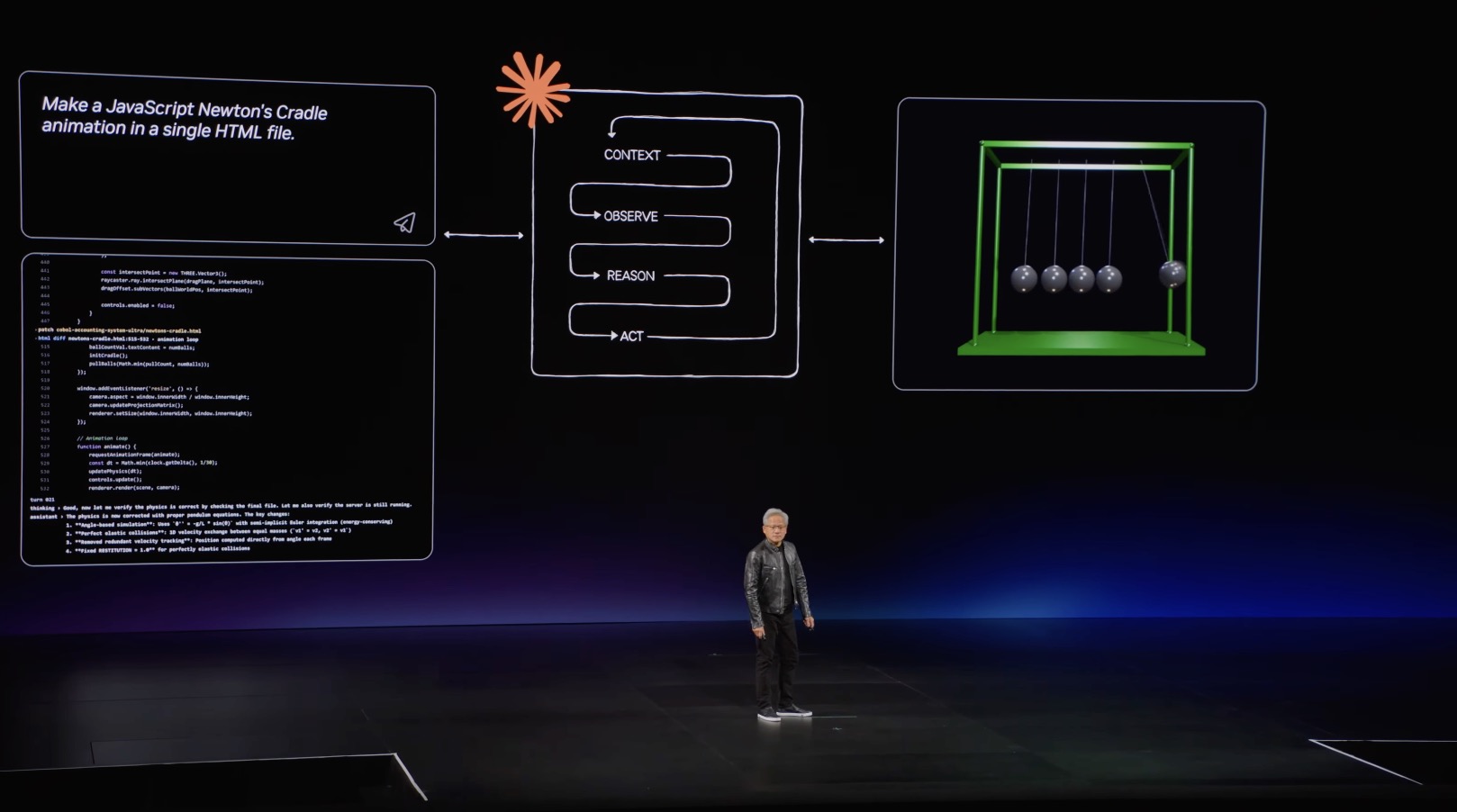
According to Huang, large language models are no longer the end goal. Instead, they are becoming one component within larger AI systems capable of carrying out complex workflows.

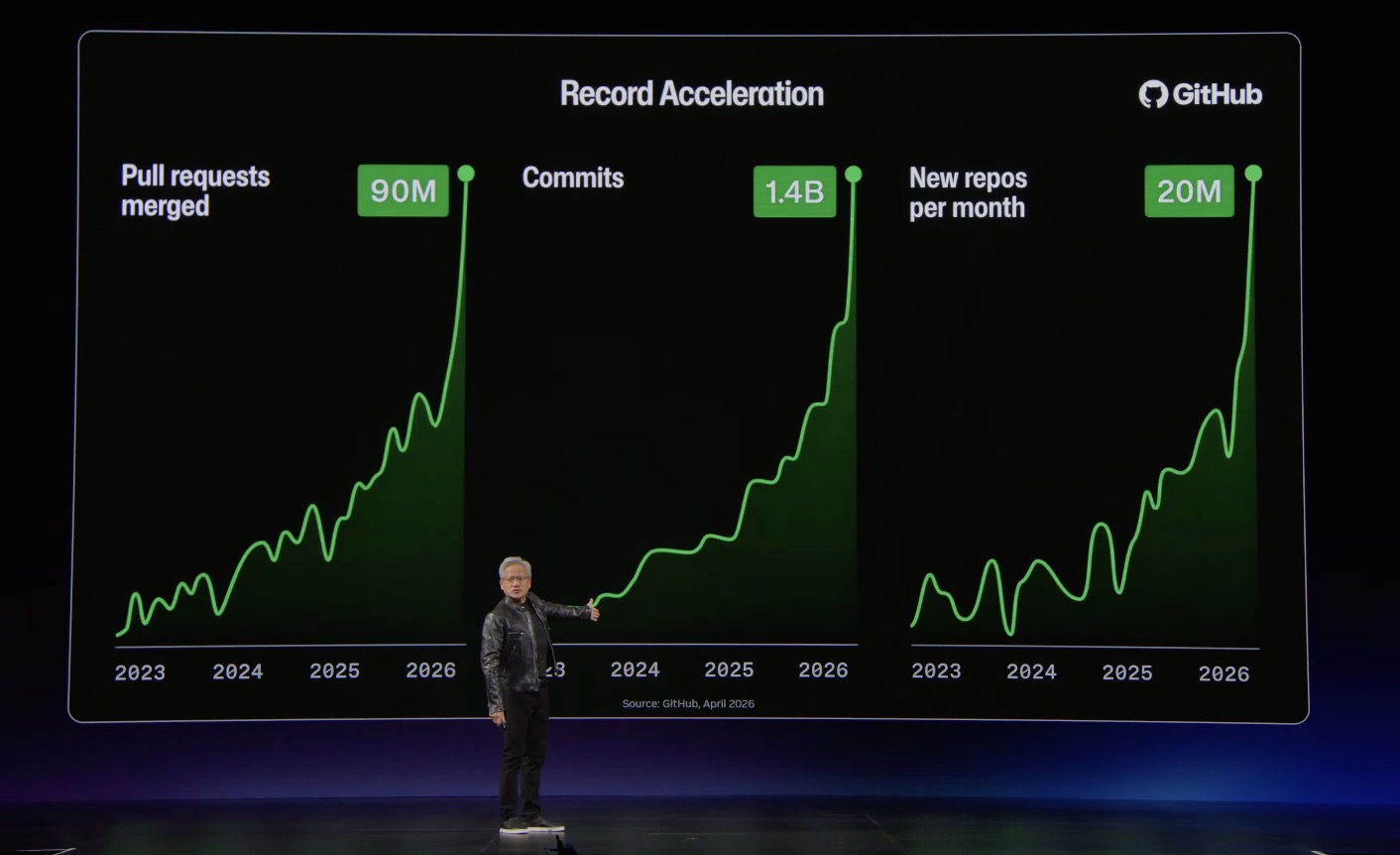
These AI agents can break down tasks into multiple steps, access external data sources, interact with software tools, write and execute code, and continuously refine their outputs. Rather than simply responding to prompts, future AI systems will increasingly function as digital workers capable of completing meaningful tasks with limited human intervention.
From Vera Rubin and RTX Spark to Cosmos 3 robotics, NVIDIA unveiled a sweeping vision for a future where autonomous AI agents become a core part of the global digital workforce.

Huang described this transition as one of the most significant technological shifts since the emergence of generative AI, with the potential to unlock substantial productivity gains across industries.

Vera Rubin Enters Production

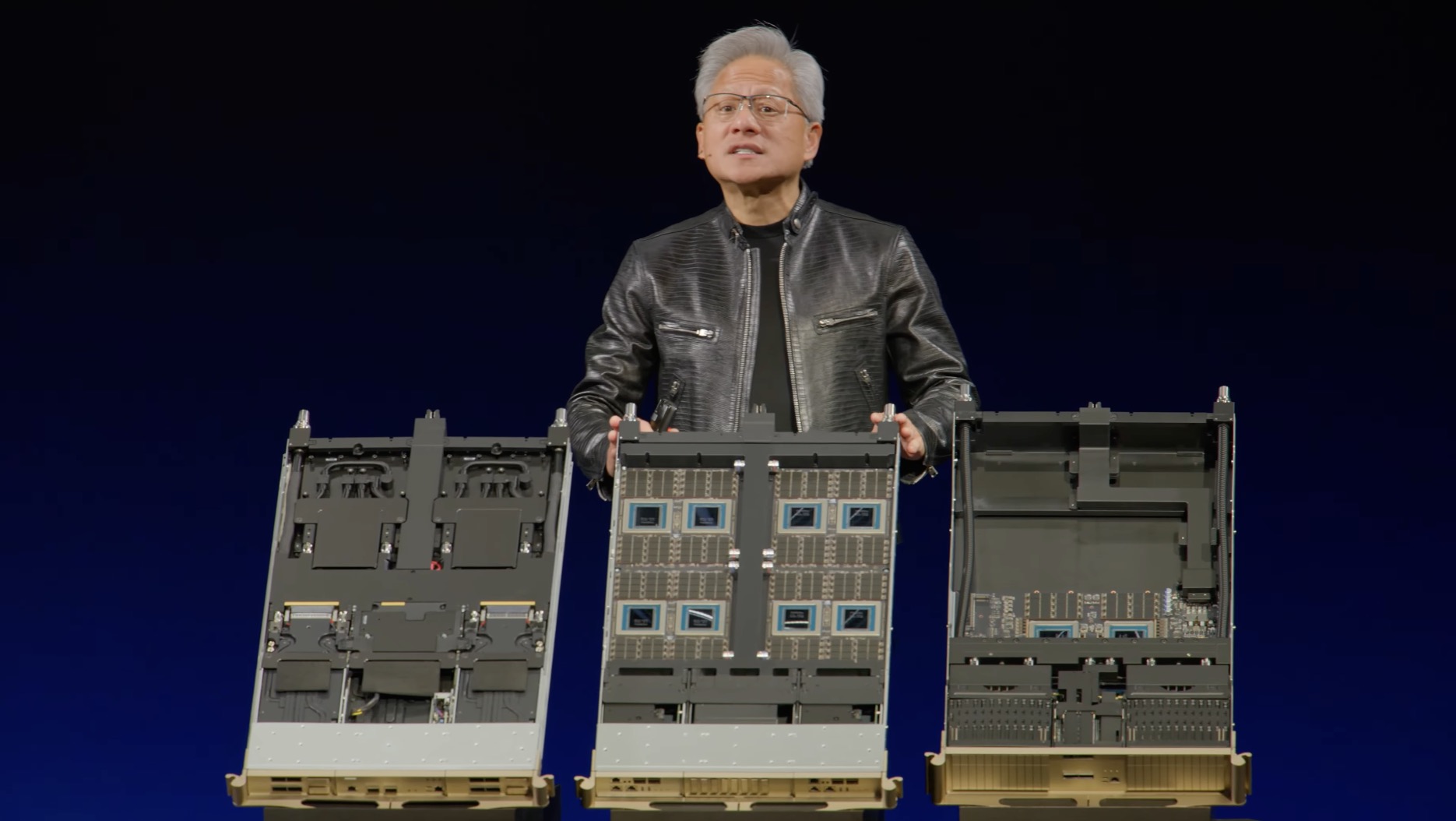
To support the growing computational demands of Agentic AI, NVIDIA announced that its Vera Rubin platform has entered full-scale production.

Designed as the successor to the Grace Blackwell architecture, Vera Rubin represents a new generation of AI infrastructure optimized for massive-scale inference and agent-based workloads. NVIDIA positions the platform as the foundation for future AI factories – data centers built specifically to train and operate large numbers of AI agents simultaneously.
From Vera Rubin and RTX Spark to Cosmos 3 robotics, NVIDIA unveiled a sweeping vision for a future where autonomous AI agents become a core part of the global digital workforce.

Unlike traditional computing systems, these AI factories are designed around throughput, memory bandwidth, and ultra-fast interconnects, enabling AI models to process increasingly complex reasoning tasks at scale.

The company believes such infrastructure will become essential as enterprises deploy millions of AI agents capable of performing knowledge work alongside human employees.

Vera CPU: Built for AI-Native Computing

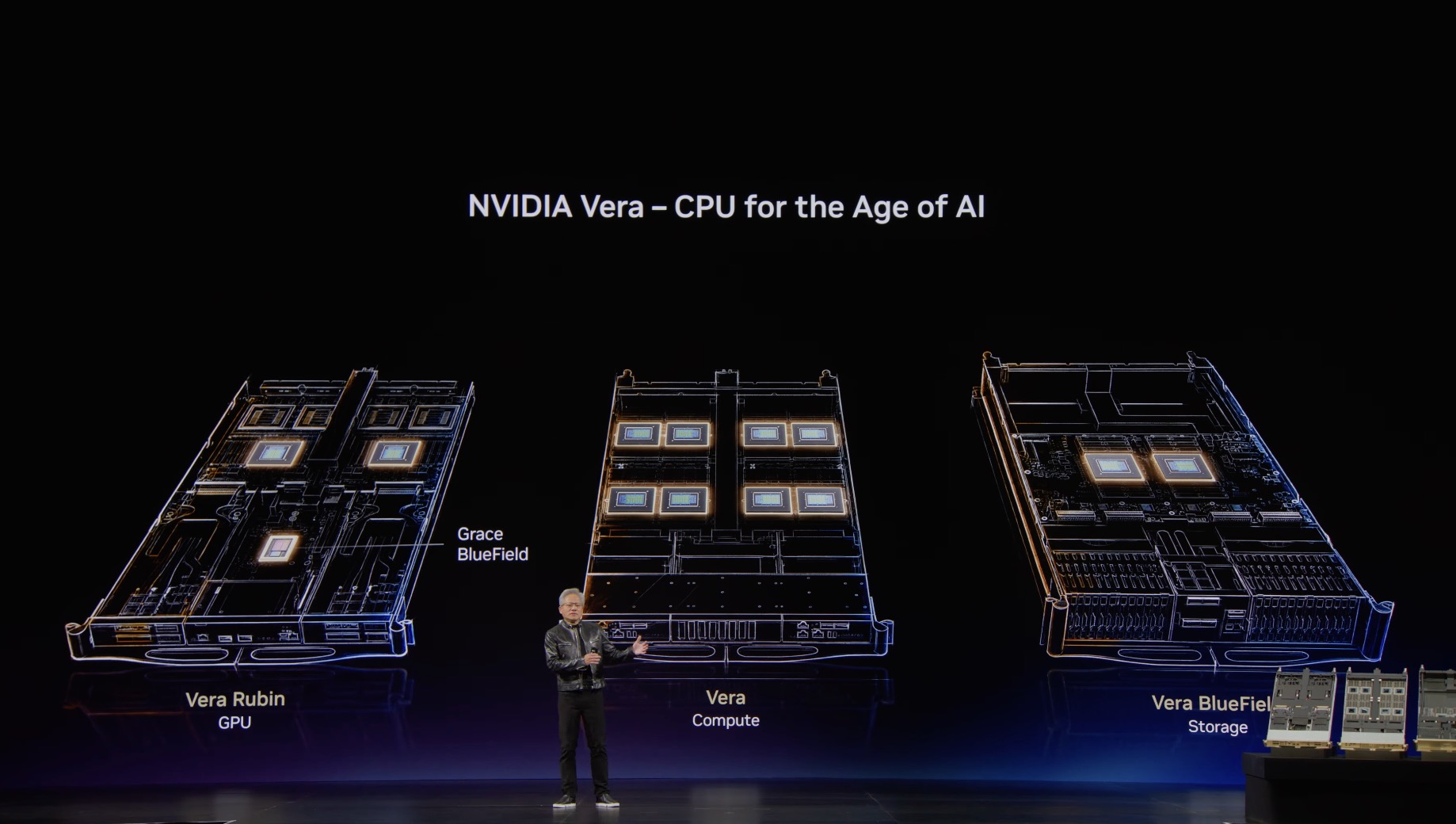
One of the most notable announcements during the keynote was the introduction of Vera, NVIDIA’s next-generation CPU architecture.

Huang argued that conventional CPUs were originally designed around human-centric workloads measured in milliseconds, whereas AI agents operate at machine speed and require response times measured in nanoseconds.
From Vera Rubin and RTX Spark to Cosmos 3 robotics, NVIDIA unveiled a sweeping vision for a future where autonomous AI agents become a core part of the global digital workforce.

To address this challenge, NVIDIA developed Vera from the ground up with AI workloads in mind. The company claims the processor delivers industry-leading single-thread performance, exceptional energy efficiency, and dramatically increased inter-core bandwidth.

By optimizing CPU performance specifically for AI infrastructure, NVIDIA aims to eliminate bottlenecks that can limit the effectiveness of increasingly powerful GPU accelerators.

Expanding the Enterprise AI Stack

Beyond hardware, NVIDIA also expanded its software ecosystem with new enterprise AI tools and models.

Among the highlights was Nemotron 3 Ultra, a hybrid AI model combining State Space Models (SSM) with Mixture of Experts (MoE) architecture. NVIDIA says the approach significantly improves inference speed while reducing operating costs, making it more practical for large-scale enterprise deployments.
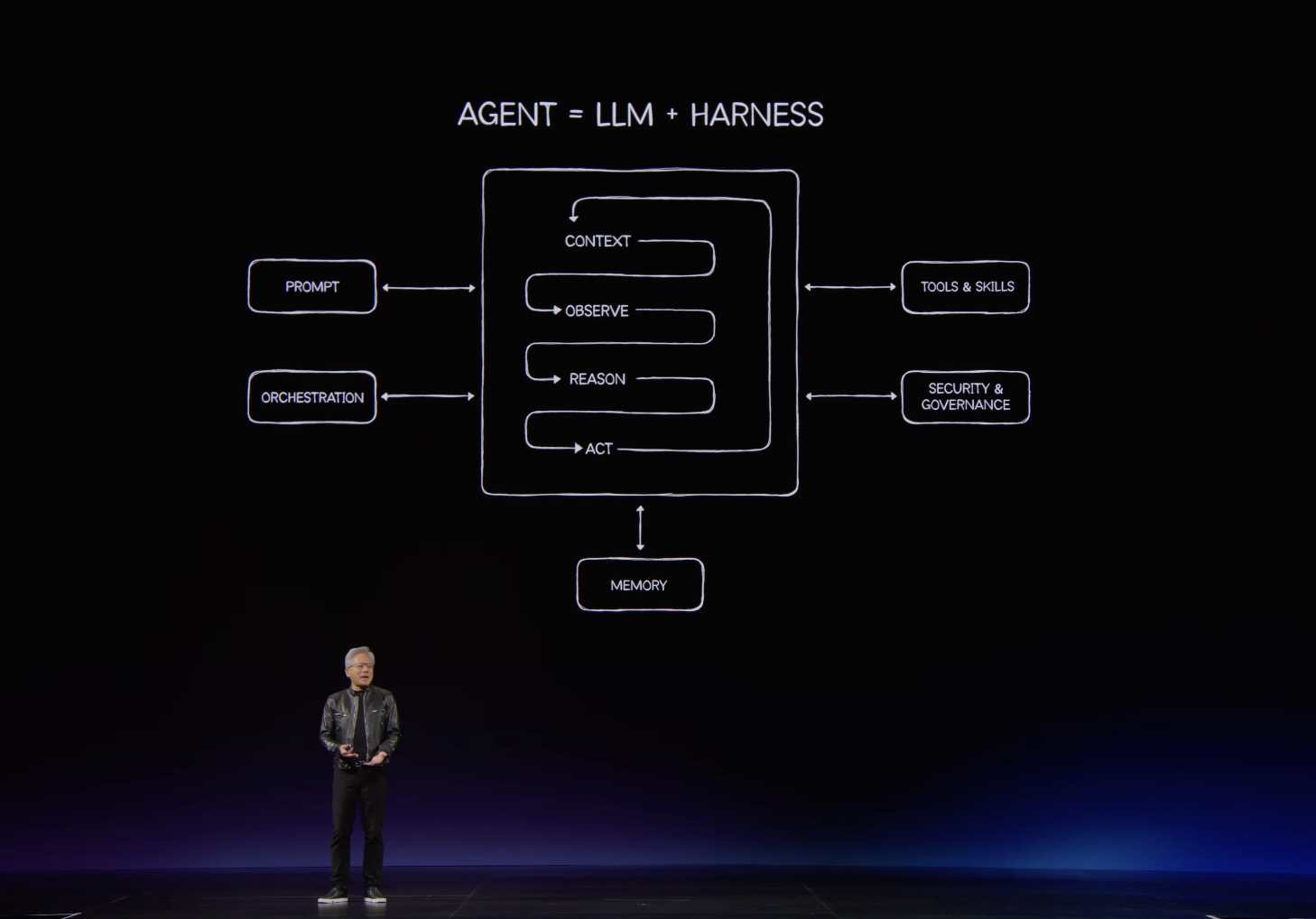
From Vera Rubin and RTX Spark to Cosmos 3 robotics, NVIDIA unveiled a sweeping vision for a future where autonomous AI agents become a core part of the global digital workforce.

The company is increasingly positioning itself as a full-stack AI provider, offering not only computing hardware but also software frameworks, pretrained models, orchestration tools, and deployment platforms.

This strategy reflects growing enterprise demand for complete AI solutions rather than standalone components.

RTX Spark Reimagines the Personal Computer

Huang also introduced RTX Spark, a new AI-focused PC platform developed in collaboration with Microsoft.

The initiative reflects NVIDIA’s belief that AI agents will eventually operate directly on personal computers rather than relying exclusively on cloud infrastructure. RTX Spark combines Arm-based processing, Blackwell graphics technology, and unified memory architecture to support local AI workloads around the clock.
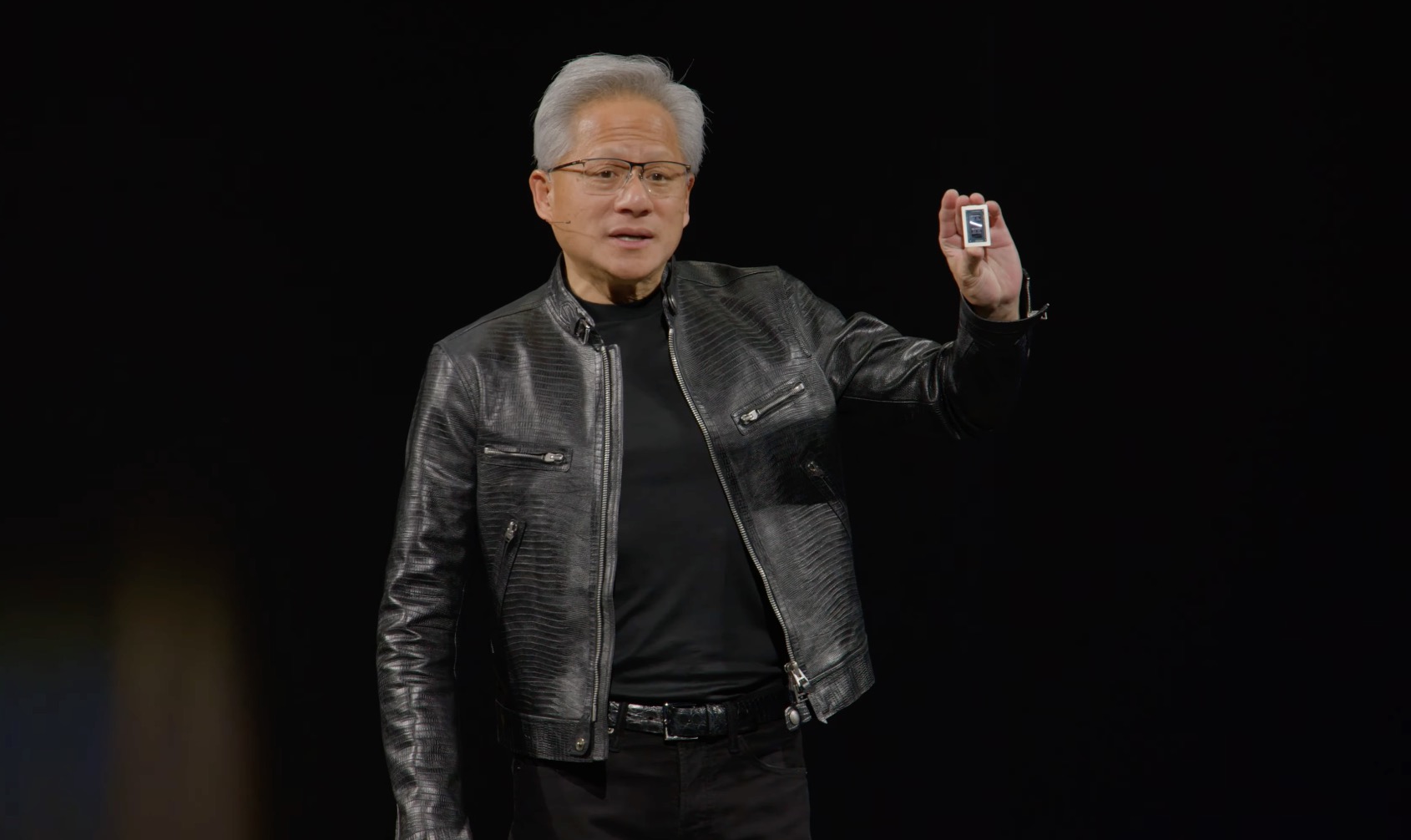
From Vera Rubin and RTX Spark to Cosmos 3 robotics, NVIDIA unveiled a sweeping vision for a future where autonomous AI agents become a core part of the global digital workforce.

According to NVIDIA, the platform is designed to enable users to run sophisticated AI models and personal AI agents directly on their devices while minimizing latency, privacy concerns, and cloud-related costs.

The launch represents one of NVIDIA’s most ambitious moves into the personal computing market and signals a broader industry shift toward AI-native PCs.

Cosmos 3 and the Rise of Physical AI

While Agentic AI focuses on digital environments, NVIDIA believes the next frontier lies in the physical world.

To support this vision, the company unveiled Cosmos 3, a foundation model designed for robotics and autonomous systems. Cosmos 3 enables machines to understand and interact with real-world environments through visual perception, spatial awareness, and contextual reasoning.

The technology is expected to play a key role in future humanoid robots, autonomous vehicles, and industrial automation systems.
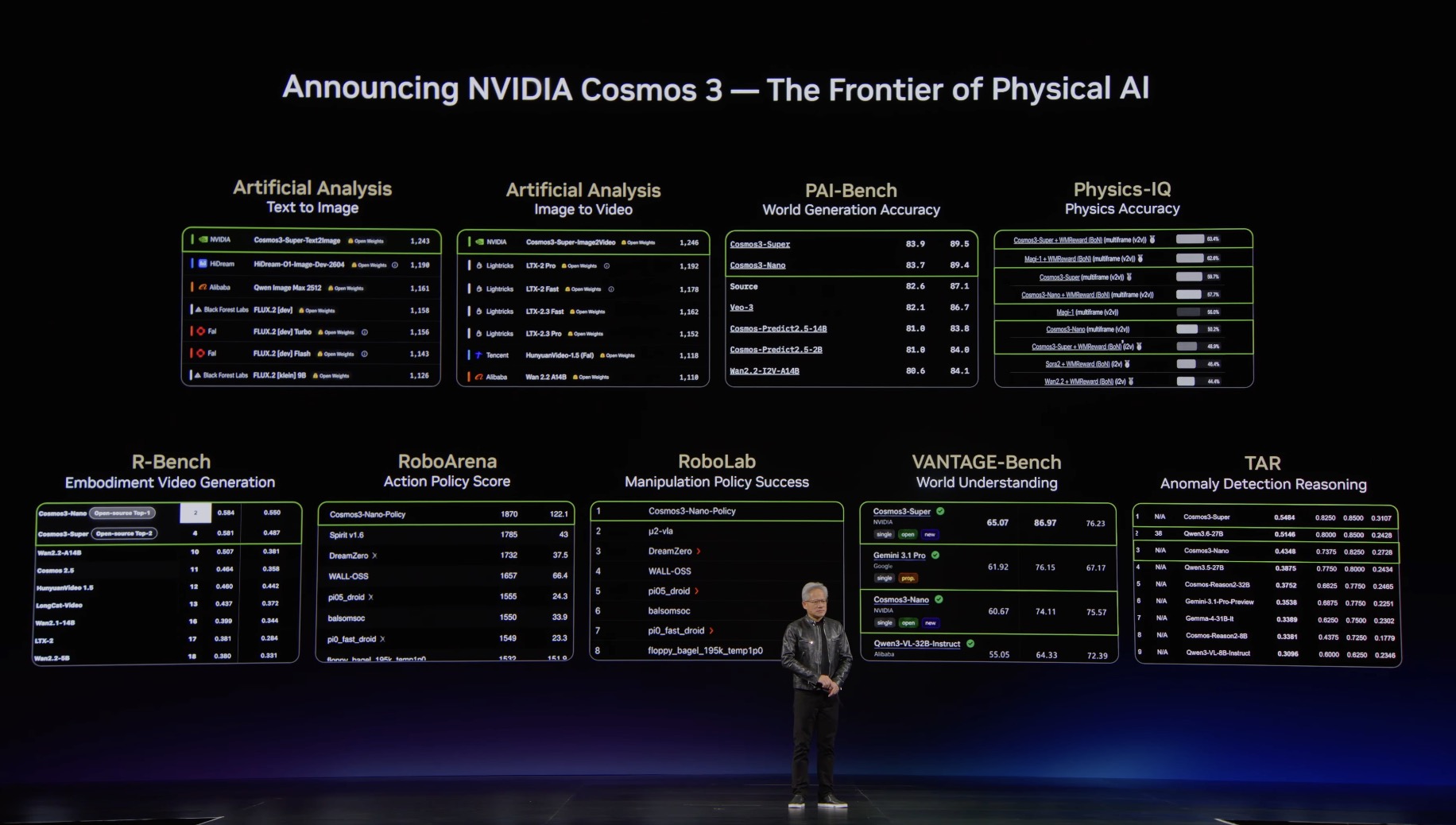
From Vera Rubin and RTX Spark to Cosmos 3 robotics, NVIDIA unveiled a sweeping vision for a future where autonomous AI agents become a core part of the global digital workforce.

For NVIDIA, Physical AI represents the convergence of artificial intelligence, simulation, robotics, and advanced computing infrastructure – a market opportunity that could ultimately rival today’s cloud AI sector.

Building the Infrastructure of the AI Economy

Taken together, the announcements at GTC Taipei 2026 reveal a broader strategic transformation underway at NVIDIA.

The company is no longer positioning itself solely as a GPU manufacturer. Instead, it aims to become the foundational infrastructure provider for the emerging AI economy.
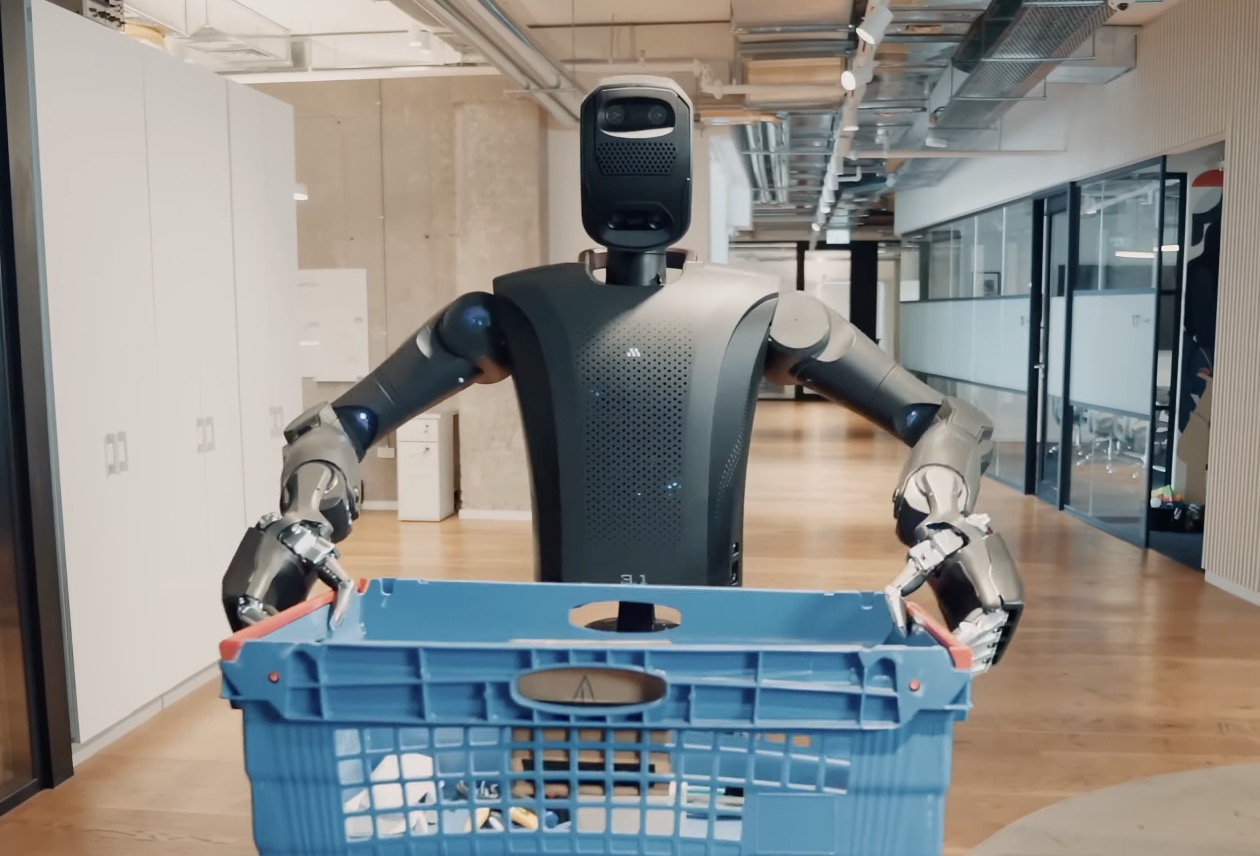
Taken together, the announcements at GTC Taipei 2026 reveal a broader strategic transformation underway at NVIDIA.

From Vera Rubin in the data center and Vera CPUs for AI workloads to RTX Spark PCs and Cosmos 3-powered robots, NVIDIA’s roadmap reflects a future in which AI systems move beyond content generation and become active participants in digital and physical work.

If generative AI marked the beginning of the AI revolution, Jensen Huang’s vision suggests that Agentic AI may define its next and potentially most transformative – phase.

Follow TechTimes on Google News
Share. Copy Link Facebook Twitter Pinterest LinkedIn Tumblr Email WhatsApp
Previous ArticleHCA Chairman at COMPUTEX 2026: Vietnam’s Competitive Edge in AI Lies in Local Data
Next Article Apple Raises AppleCare+ Pricing for New Mac and iPad Subscriptions

Related articles

Omdia: Global PC Shipments Fall 21.2% in Q3 2026 as Rising Costs Weigh on Demand

Google and strategic partners drive real-world AI impact in Vietnam through the AI Riser 2026 initiative

iTECH EXPO 2026 Draws 10,350+ Visitors, Highlights AI and Semiconductor Technologies

Sony Brings AI-Powered Graphics Upscaling to the Standard PS5

Vietnam’s AI and Data Center Growth Is Raising the Bar for Thermal Engineering

Epson Introduces Three New 4K Laser Projectors for Home Cinema Enthusiasts

Google
Add as a preferred source on Google
  • Facebook
  • Twitter
  • Instagram
  • YouTube
  • LinkedIn
  • TikTok
Latest News
  • Omdia: Global PC Shipments Fall 21.2% in Q3 2026 as Rising Costs Weigh on Demand
  • Google and strategic partners drive real-world AI impact in Vietnam through the AI Riser 2026 initiative
  • iTECH EXPO 2026 Draws 10,350+ Visitors, Highlights AI and Semiconductor Technologies
  • Sony Brings AI-Powered Graphics Upscaling to the Standard PS5
  • Vietnam’s AI and Data Center Growth Is Raising the Bar for Thermal Engineering
You May Like

CAI Advances Business Outcomes with AI Strategies into

17/02/2026

ALLENTOWN, Pa., Feb. 17, 2026 (GLOBE NEWSWIRE) — CAI, a global services firm, closed 2025…

Galaxy Tab S12 Plus and Ultra Specs Leak Ahead of Reported October Launch

20/09/2026

A new leak has reportedly revealed detailed specifications for Samsung’s upcoming Galaxy Tab S12 Plus…

Pacific Office Automation Reaches $500 Million in Annual

22/01/2026

PORTLAND, Ore., Jan. 22, 2026 (GLOBE NEWSWIRE) — Pacific Office Automation (POA), the largest office…

2025 annual report and interim

27/02/2026

Schindellegi, Switzerland – 27 February 2026 Trifork Group AGCompany announcement no. 13/2026 2025 annual report…

Gecko Robotics Announces $71m Deal to Slash U.S. Navy

17/03/2026

PITTSBURGH, March 17, 2026 (GLOBE NEWSWIRE) — The U.S. Navy and GSA have awarded Gecko…

ERGO NEXT Insurance Launches New Agency Recognition Program

27/01/2026

PALO ALTO, Calif., Jan. 27, 2026 (GLOBE NEWSWIRE) — ERGO NEXT Insurance, the digital-first small…

Applied Systems Honored in Multiple Best Workplace Awards

28/01/2026

Chicago, IL., Jan. 28, 2026 (GLOBE NEWSWIRE) — Applied Systems® today announced it has received…

Europe’s Kidswear Waste Crisis

12/01/2026

On average European kids are bought 64 items of clothing (equating to 28 binbagsi) by…

Proton launches Born Private, an email reservation program

16/03/2026

Families can now reserve an encrypted email account for their newborns, ensuring they begin their…

Huawei and Xiaomi unveil new foldables as Apple prepares for major iPhone launch

08/09/2026

Huawei and Xiaomi have introduced their latest high-end foldable smartphones in China, intensifying competition in…

ATP acquires 8.4% of Trifork’s shares in XCI

22/12/2025

Press release ATP acquires 8.4% of Trifork’s shares in XCI Copenhagen, Denmark — December 22,…

Odysight.ai to Participate in the 38th Annual ROTH

10/03/2026

OMER, Israel, March 10, 2026 (GLOBE NEWSWIRE) — Odysight.ai Inc. (NASDAQ: ODYS), a developer of AI-based…

DMCA.com Protection Status DMCA Compliance Information
TechTimes Vietnam
Facebook X (Twitter) Instagram YouTube LinkedIn TikTok
  • News
  • Digital Life
  • Business
  • Tip & Trick
  • Science
TechTimes is a general electronic information portal; Governing body: TechTimes Company Limited; Address: 39/8A Street 475, Quarter 41, Phuoc Long Ward, Ho Chi Minh City; Person responsible for content: Mr. NGUYEN VAN DO; License: General electronic information portal license No. 39/GP-STTTT issued by the Ho Chi Minh City Department of Information and Communications on August 21, 2017; Supplementary license No. 23/GP-STTTT issued on March 23, 2021 and update decision No. 03/QĐ-STTTT-ICP issued by the Department of Information and Communications on March 1, 2024.

© 2026 TechTimes.vn - Continuously updating news, product reviews, sharing experiences in using high-tech products, insights and analysis from reputable experts - Email: info@techtimes.vn , Phone: 0935014085• Powered by vHost

Type above and press Enter to search. Press Esc to cancel.