


Vietnam’s AI and Data Center Growth Is Raising the Bar for Thermal Engineering
Vietnam’s technology ecosystem is entering a new phase of development. The expansion of artificial intelligence (AI), cloud computing, high-performance computing (HPC) and digital infrastructure is driving demand for more powerful computing systems, while continued growth in electronics manufacturing is strengthening the country’s position within the regional technology supply chain.
One of the less visible consequences of this transformation is a rapidly changing thermal challenge.
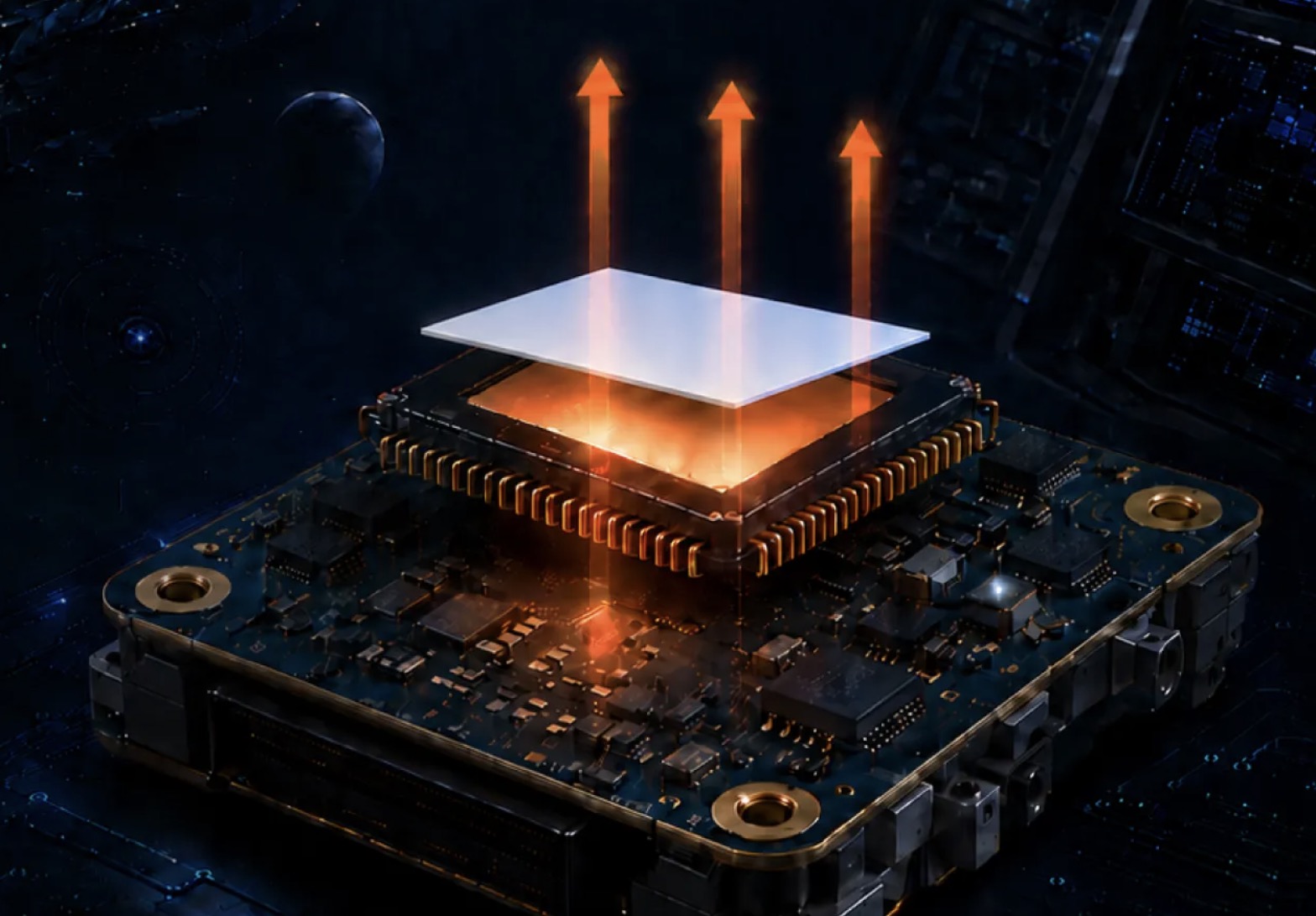
As data centers deploy more powerful servers and AI workloads become increasingly compute-intensive, the amount of heat generated by individual processors and complete server systems is rising. Higher computing capacity is also being packed into increasingly dense physical environments, placing greater pressure on data center cooling infrastructure.
For Vietnam, where digital infrastructure and advanced electronics capabilities continue to develop, this shift is creating a new requirement: thermal management must evolve alongside computing performance.
The question is no longer simply how to provide sufficient cooling. Increasingly, it is how to remove heat efficiently from high-power components while maintaining reliability, energy efficiency, design flexibility and production scalability.
Vietnam’s AI and Data Center Ecosystem Is Evolving
The development of AI infrastructure is changing the requirements placed on data centers around the world, and Vietnam is part of this broader transition.
Growing cloud adoption, digital transformation and investment in computing infrastructure are creating demand for greater data processing capacity. At the same time, AI workloads require significantly more computing resources than many traditional enterprise applications.
This is changing the profile of the hardware deployed inside data centers. AI servers increasingly rely on graphics processing units (GPUs), AI accelerators and other high-performance processors capable of handling intensive parallel workloads.
The result is not simply more servers. It is a shift toward systems with substantially higher computing and power density.
For Vietnam, this trend has implications beyond the data center itself. The country has developed an increasingly important electronics manufacturing ecosystem, meaning that changes in server architecture, advanced computing and thermal requirements can also create opportunities for local suppliers and manufacturing partners capable of supporting more sophisticated hardware.
As infrastructure becomes more advanced, thermal management becomes increasingly connected to the broader development of Vietnam’s technology and electronics ecosystem.
Higher-Density Computing Is Changing Data Center Design
The fundamental challenge is straightforward: more computing power generates more heat.
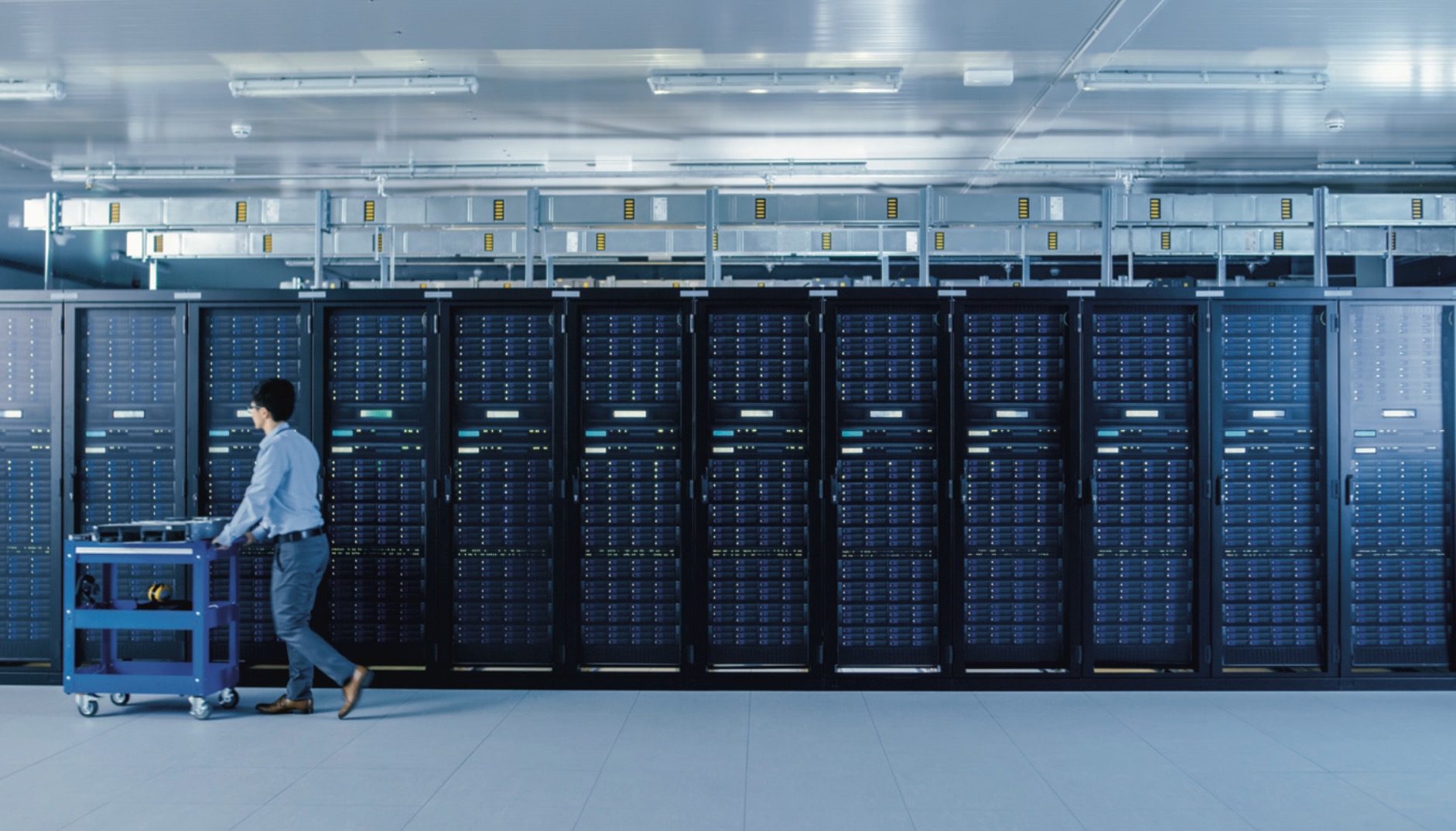
Modern CPUs, GPUs and AI accelerators can concentrate substantial power within relatively small packages. When multiple high-performance processors are deployed within a server and many such servers are installed in a rack, the resulting heat density can become difficult to manage through conventional air-based approaches alone.
Air cooling remains widely used and continues to have an important role in data center infrastructure. However, as processor and rack power densities increase, removing heat efficiently from localized high-power sources becomes more challenging.
This is particularly relevant for AI infrastructure, where thermal loads can be concentrated around processors rather than distributed evenly across an entire server.
The development of higher-density computing is therefore prompting data center operators and hardware manufacturers to reconsider where and how heat should be removed. Instead of relying primarily on cooling the surrounding air, increasingly sophisticated architectures seek to capture heat closer to the component generating it.
That shift is helping drive greater interest in liquid cooling.
Why Liquid Cooling Is Becoming More Relevant
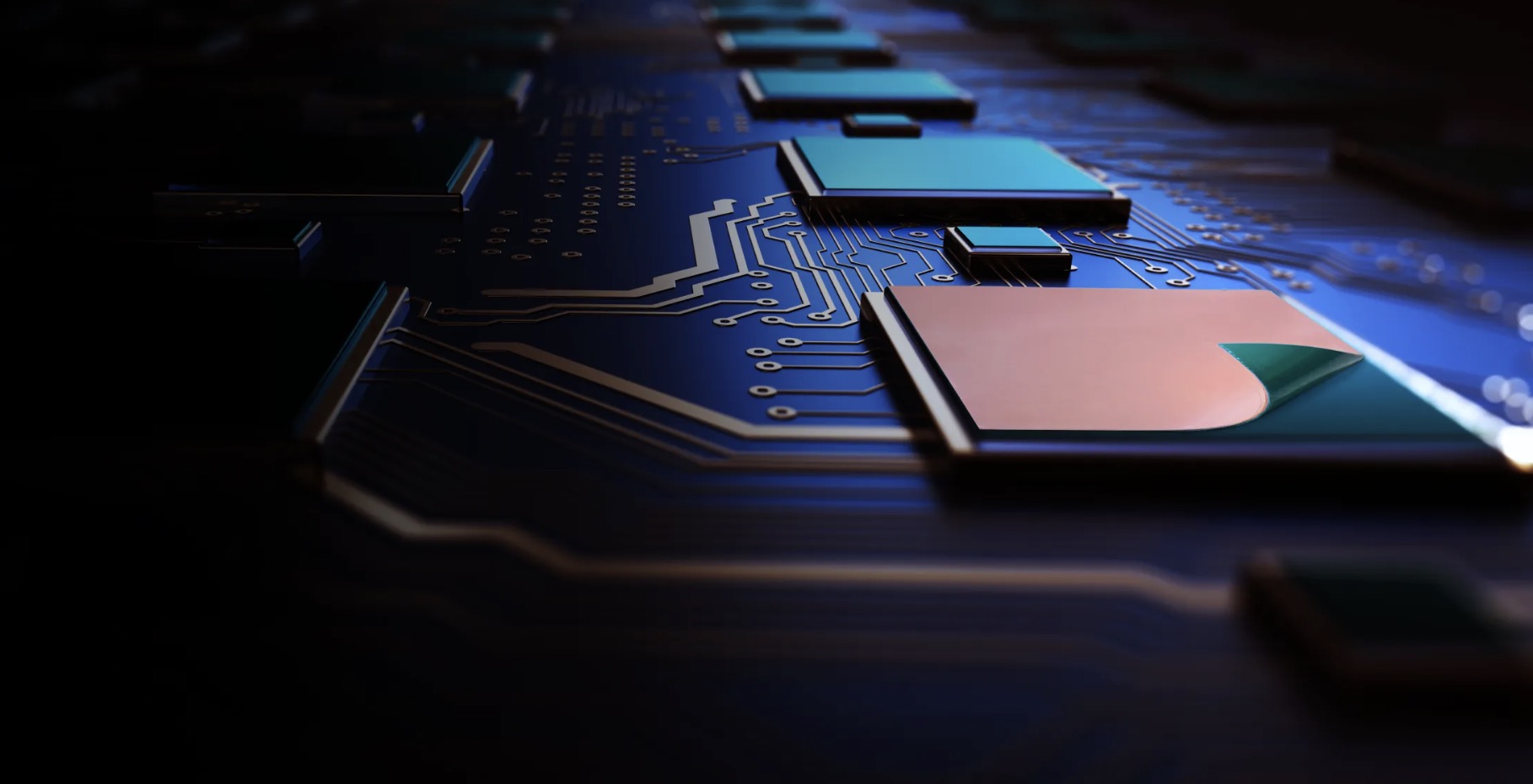
Liquid cooling offers a fundamentally different approach to heat removal. Because a liquid coolant can transport heat efficiently, it can be used to capture heat closer to high-power components and transfer it into a broader cooling infrastructure.
One increasingly relevant architecture is direct-to-chip liquid cooling. In this approach, a cooling component is positioned in thermal contact with the processor or other high-power device, while coolant circulates through the component to absorb heat.
The objective is to address the thermal load directly at its source rather than depending entirely on surrounding air to carry heat away from the component.
For high-density AI and HPC systems, this approach can become increasingly attractive as processor heat loads rise. It can also provide system designers with greater flexibility in addressing localized thermal hotspots.
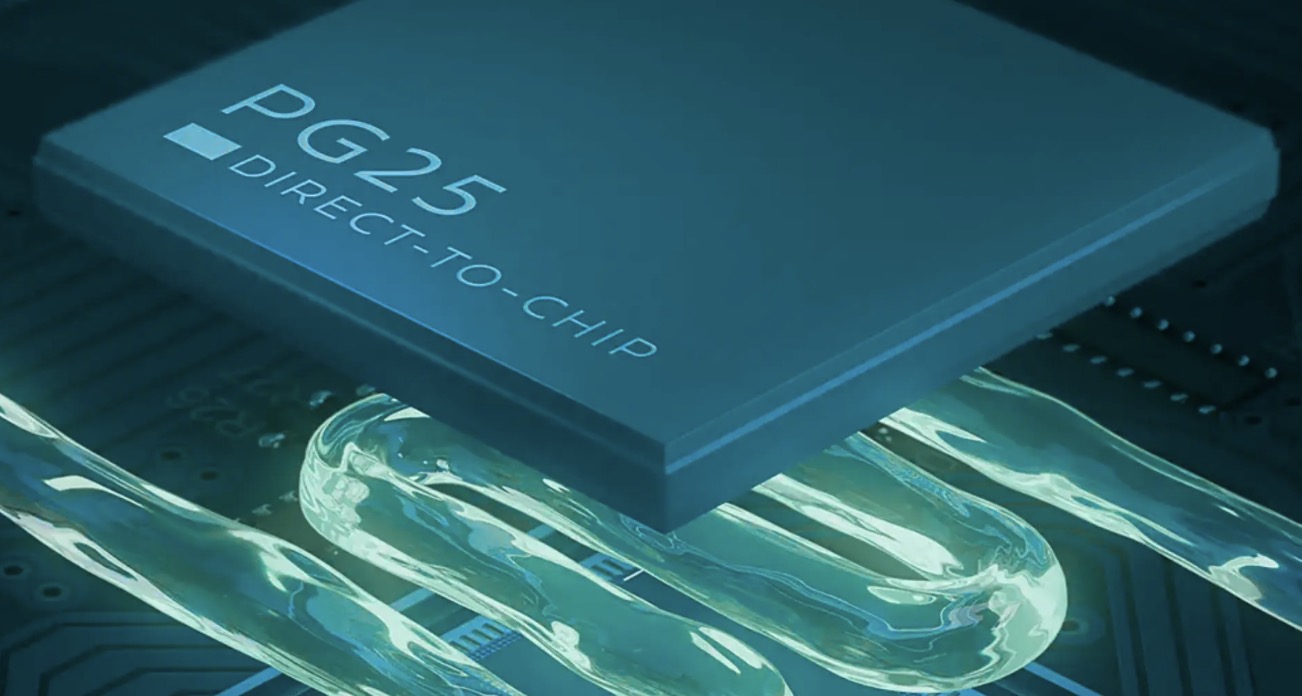
However, liquid cooling introduces its own engineering requirements. Coolant must flow through the system in a controlled manner, pressure losses must remain within acceptable limits, and the cooling components must be mechanically integrated with the processor and surrounding hardware.
This makes the design of the component responsible for transferring heat particularly important.
Cold Plates Are Becoming Increasingly Application-Specific
In a direct-to-chip liquid cooling system, the cold plate is a critical thermal interface between the high-power processor and the cooling loop.
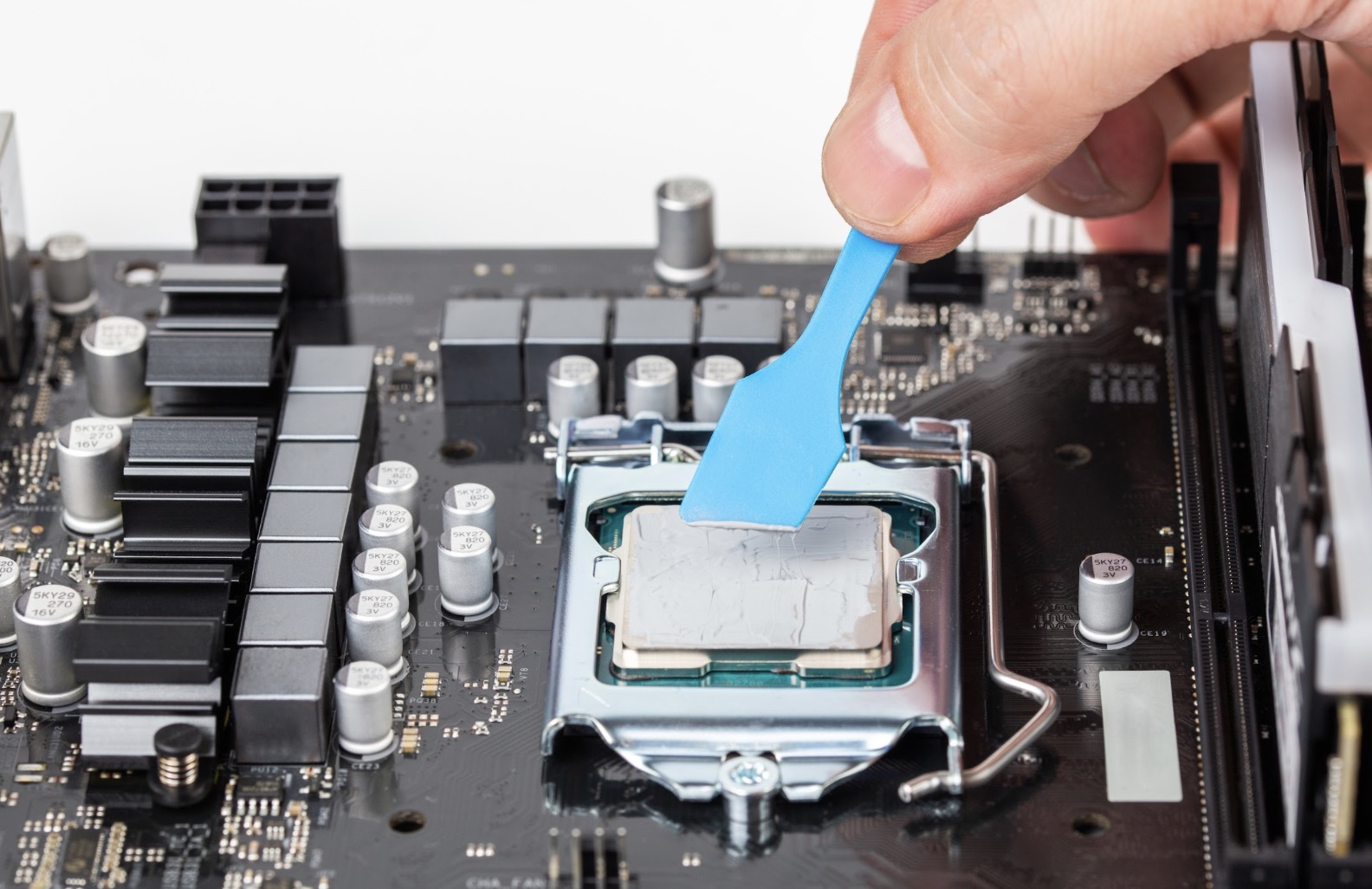
Its function is straightforward in principle: heat generated by the processor is transferred through the cold plate into the circulating coolant. In practice, achieving effective and reliable heat transfer requires a carefully engineered design.
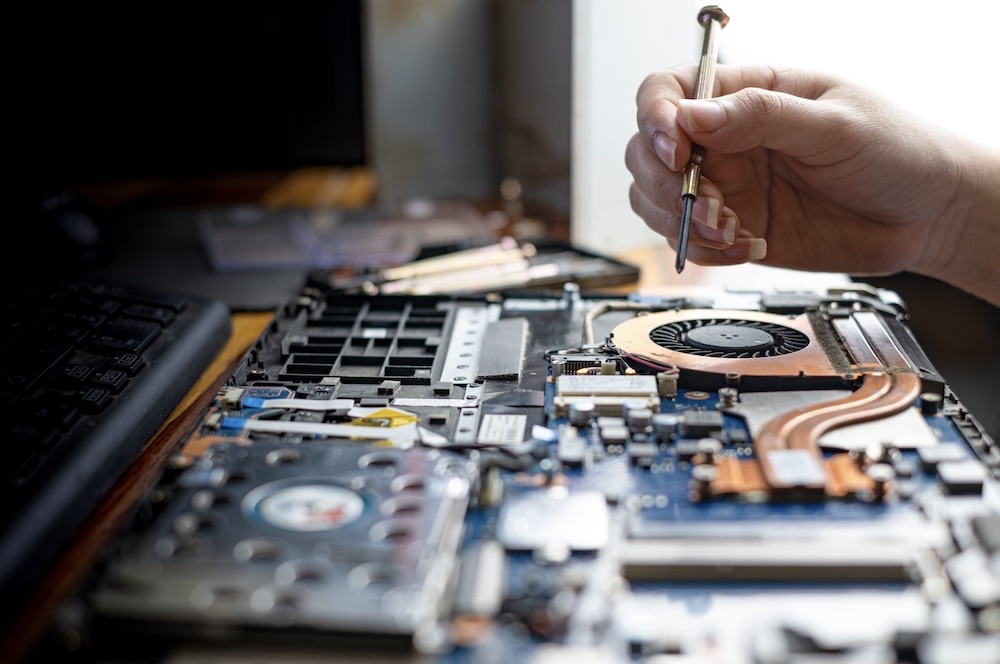
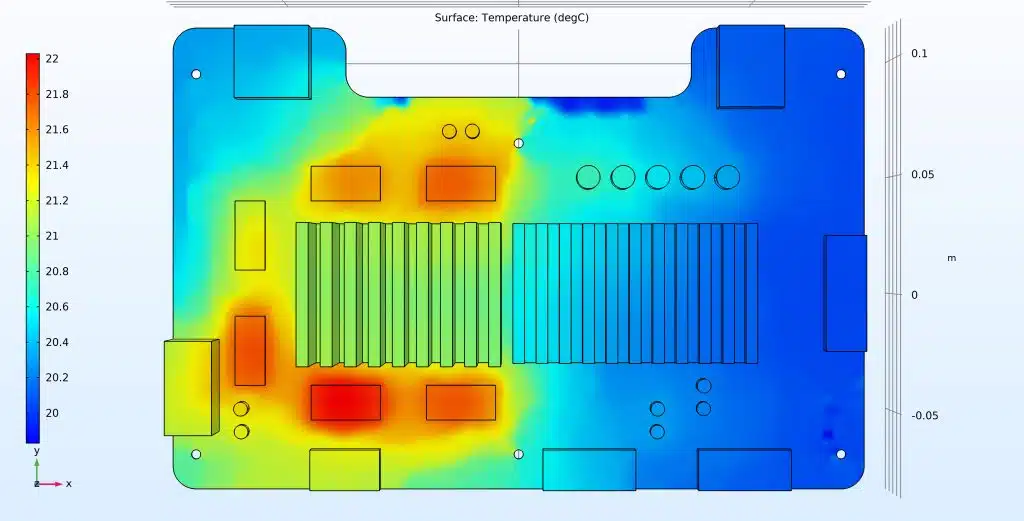
As processor power density increases, factors such as heat flux, thermal performance, flow distribution and pressure drop become increasingly important. The internal architecture of the cold plate—including its channels, fins or other heat-transfer structures—can significantly influence how effectively coolant reaches areas with high thermal loads.
Material selection also matters. Thermal conductivity, manufacturability, mechanical properties, corrosion considerations and compatibility with the broader cooling system all need to be evaluated according to the application.
Mechanical integration is another important consideration. A cold plate must physically fit the processor package and server architecture while maintaining appropriate contact and mounting conditions.
These requirements mean that cold plates are not necessarily moving away from standardized solutions altogether. Standardized designs can continue to serve applications where requirements are well defined and repeatable. At the same time, the growing diversity of AI processors, GPU platforms and high-performance systems is increasing demand for application-specific cold plate designs.
The more specialized the computing platform becomes, the more important it is for the cooling solution to be designed around its particular thermal, mechanical and fluid requirements.
From Thermal Design to Production
This increasing level of customization changes what customers need from a thermal management supplier.
A cold plate may begin as an engineering concept and go through multiple rounds of simulation, prototyping, testing and qualification before reaching production. During this process, processor specifications, mechanical configurations or cooling requirements may change.
That makes engineering communication and design iteration an important part of the supply relationship.
Manufacturing capability becomes equally important once a design is ready for commercialization. A component that performs well as a prototype must also be manufactured consistently, with appropriate dimensional control and quality assurance, when production volumes increase.
The transition from prototype to mass production therefore requires more than manufacturing capacity. It requires process stability, quality control and the ability to respond to engineering changes without compromising production consistency.
For customers operating within Vietnam’s growing electronics ecosystem, these requirements also raise a supply-chain question: how quickly and efficiently can engineering and manufacturing support be provided when the customer is located in the region?
Why Localized Capability Matters in Vietnam
As Vietnam’s electronics and digital infrastructure ecosystem continues to develop, proximity can become an increasingly important part of the thermal management equation.
A localized manufacturing and engineering presence can shorten the distance between a customer’s technical requirements and the supplier’s development process. Samples can potentially be turned around more efficiently, engineering changes can be communicated more directly, and production requirements can be coordinated closer to the manufacturing site.
This is particularly relevant for application-specific cooling solutions. When a cold plate is designed around a particular CPU, GPU or AI platform, the development process may require close coordination between thermal engineers, mechanical engineers, system designers and manufacturing teams.
Localized capability can help reduce the friction involved in that process.
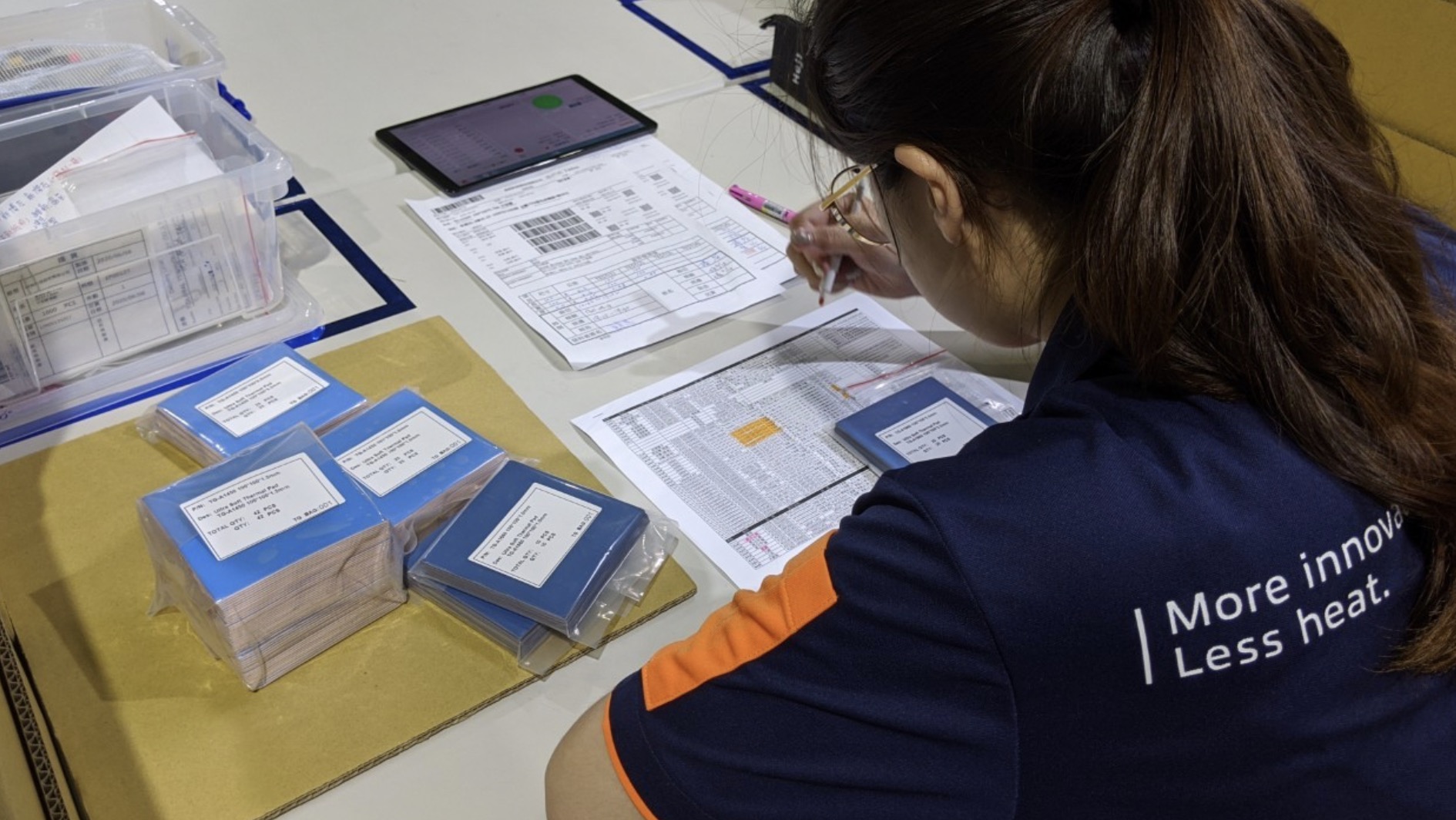
For Vietnam, this is part of a broader industrial trend. As the country continues to attract and develop higher-value electronics and technology activities, the supporting manufacturing ecosystem also needs to evolve. The ability to provide advanced components locally can contribute to a more responsive and integrated supply chain.
T-Global’s Role in Supporting the Transition
It is within this market context that T-Global is expanding its manufacturing capabilities in Vietnam, including cold plate development and production.
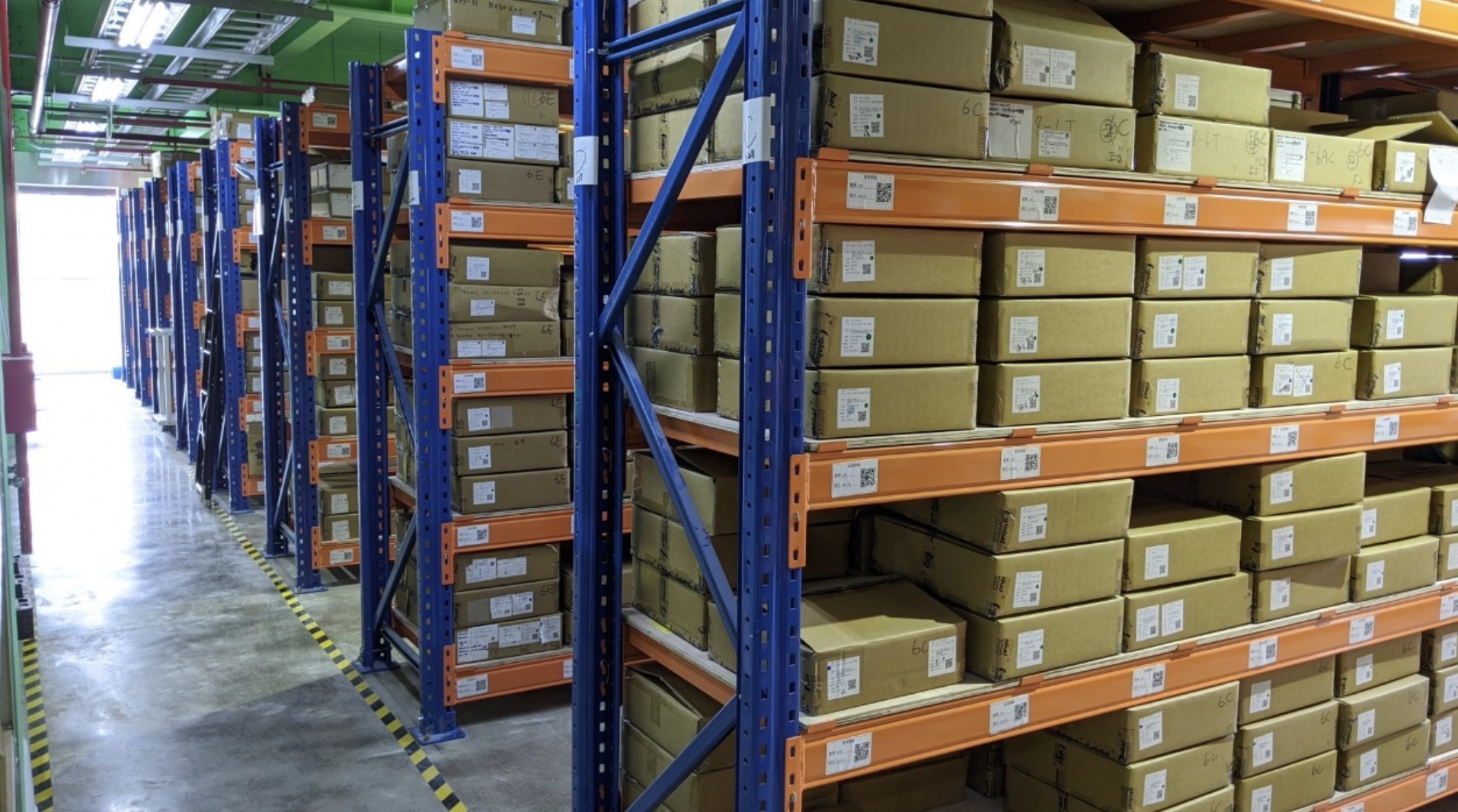
Rather than viewing cold plates simply as a standard thermal component, T-Global’s approach is centered on supporting application-specific requirements across engineering, customization and manufacturing.
This capability is particularly relevant as customers increasingly need cooling solutions adapted to specific processor platforms, thermal loads, mechanical constraints and liquid-cooling architectures.
The value proposition extends from application-specific engineering and faster design iteration to localized manufacturing and scalable production. By bringing these capabilities closer to customers in Vietnam and the surrounding region, T-Global can support the development process from early-stage requirements and prototyping through qualification and mass production.
This model reflects the changing nature of thermal management itself. As cooling becomes more closely integrated with system architecture, the relationship between thermal engineering and manufacturing becomes increasingly important.
For companies developing or deploying higher-performance computing infrastructure in Vietnam, access to engineering and manufacturing capabilities within the region can help support the transition from technical concept to production-ready solution.
Building the Thermal Infrastructure for Vietnam’s Next Computing Phase
Vietnam’s development as a technology and electronics hub is creating opportunities across the digital infrastructure value chain. As AI, cloud computing and high-performance computing become more important to the country’s technology landscape, the physical infrastructure required to support these workloads will also become more demanding.
Cooling is an essential part of that infrastructure.
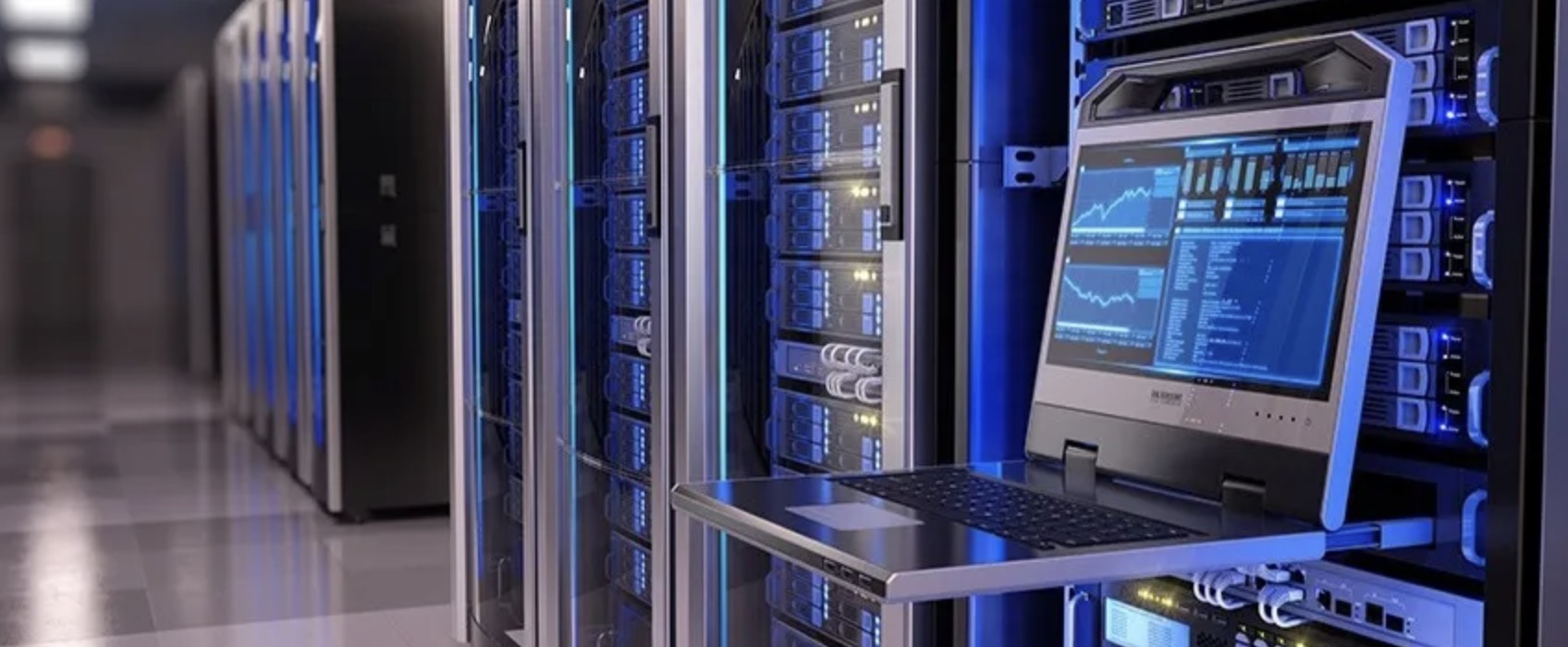
The next stage of Vietnam’s data center and electronics development will require not only greater computing capacity, but also the engineering capabilities needed to manage increasingly complex thermal environments. As power density rises and hardware platforms become more specialized, cooling solutions will need to become more precisely matched to the systems they support.
This creates a growing role for advanced thermal engineering, application-specific design and manufacturing capabilities that can respond to the requirements of the local market.
For Vietnam, the opportunity is therefore broader than simply expanding data center capacity. It is about developing an ecosystem capable of supporting the increasingly sophisticated hardware behind the country’s digital economy.
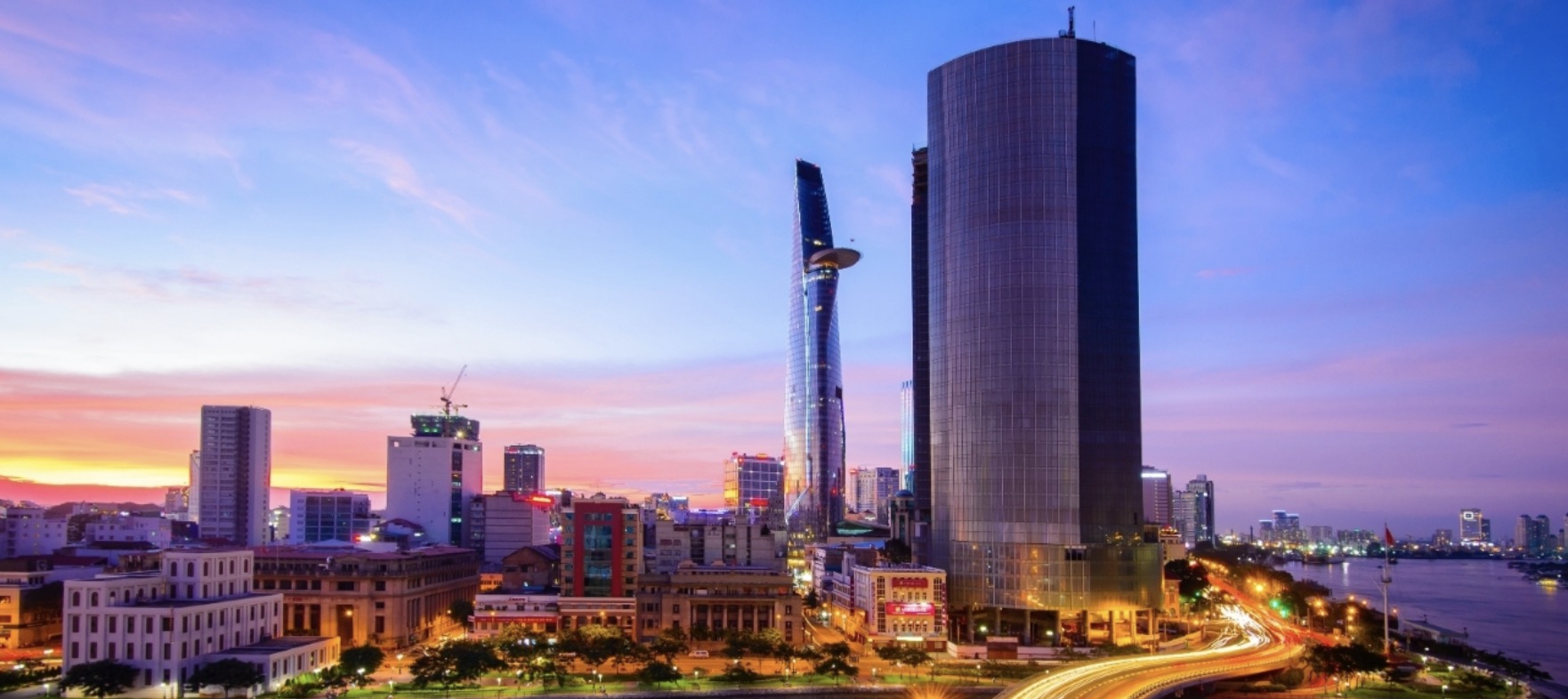
Within that evolution, localized thermal engineering and manufacturing can provide an important link between advanced computing requirements and practical, scalable infrastructure—helping Vietnam prepare for the next generation of AI, HPC and high-density computing.
AI_COMPUTING // ACTIVE
COOLING_ARCHITECTURE // EVOLVING
The future of computing runs cooler.
As computing becomes denser, smarter and more powerful, thermal engineering becomes more than a supporting technology. It becomes part of the architecture itself.