





OpenAI announced a new image classifier—OpenAI classifier—and added warning screens in ChatGPT to combat child sexual abuse material.
OpenAI announced a suite of tools aimed at reducing child sexual abuse material (CSAM) on its platforms. The centerpiece is a new image classifier that can spot CSAM, including AI‑generated pictures, and is being offered free through its API to selected partners.
The classifier scans visual cues in previously unseen images and assigns a risk score to guide human reviewers. Early tests showed it cut the number of flagged images by 48% while still catching the same volume of abusive content, and flagged images were twice as likely to be truly abusive.

OpenAI built the system together with the National Center for Missing and Exploited Children (NCMEC) and is working with the Tech Coalition and ROOST to extend access. It also released a developer guideline that outlines how to prevent, detect and report CSAM when using OpenAI models.
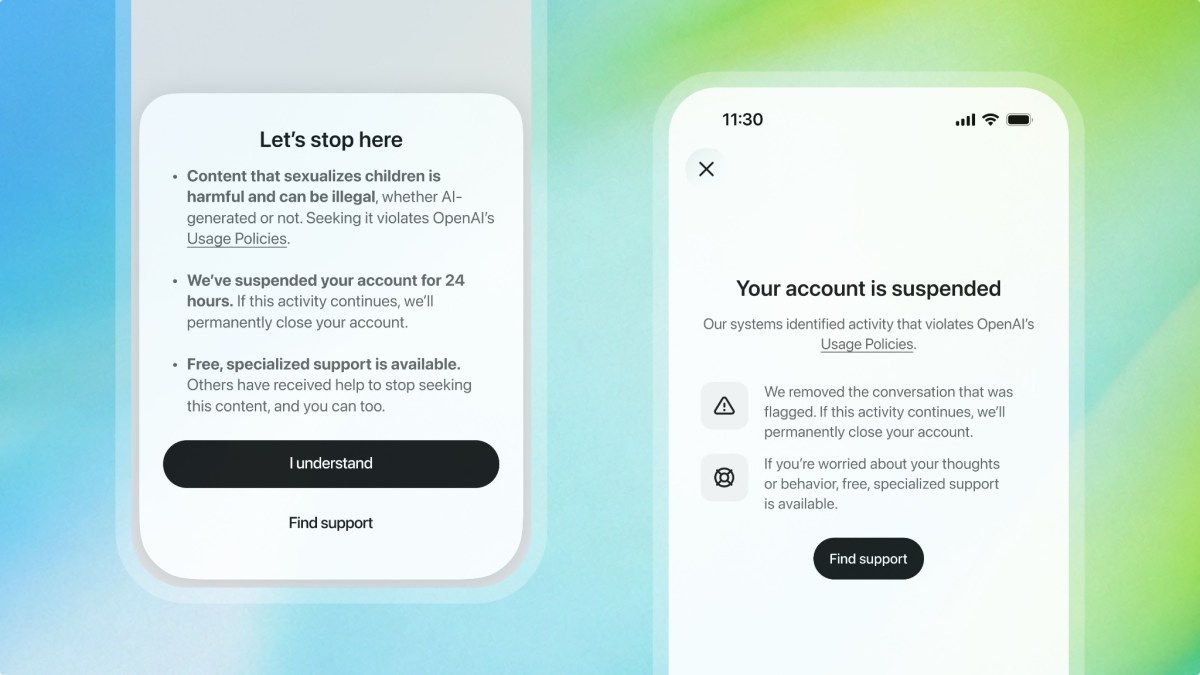
In ChatGPT, users now encounter warning screens when they submit prompts that could generate sexualized depictions of children. The alerts direct users to specialized support and temporarily suspend the account for 24 hours; repeated offenses may lead to permanent removal.
The warning messages were crafted with input from Protect Children, the Lucy Faithfull Foundation and researcher Joel Scanlan of the University of Tasmania, who independently evaluated the deterrent approach. OpenAI also provides law‑enforcement tools such as dedicated plugins, investigative utilities and complex data‑analysis features, plus a field guide and training for investigators.
The rollout comes amid growing scrutiny of AI safety, after other chatbots have been used to create non‑consensual sexualized imagery, including of minors. OpenAI’s latest measures follow a year‑long series of safety upgrades, including a safety blueprint, stricter content policies and a teen‑focused version of ChatGPT.
TechTimes Perspective
TechTimes believes OpenAI’s new classifier marks a notable step toward industry‑wide mitigation of child sexual abuse material. By reducing false positives while maintaining detection rates, the tool could lower moderation costs for developers and set a benchmark for responsible AI deployment. The integration of warning screens in ChatGPT adds a user‑facing deterrent that may discourage harmful queries, though enforcement will depend on consistent policy application. Collaboration with NCMEC and NGOs signals a broader ecosystem approach, and the availability of law‑enforcement plugins suggests a push for actionable intelligence. Observers will watch adoption rates and whether other AI providers follow suit.