


Researchers at UC Davis Health found that people with anxiety disorders consistently show reduced choline levels in the brain, offering new insight into the biological roots of anxiety.
A new study from UC Davis Health has uncovered what researchers describe as the clearest neurochemical signature yet linked to anxiety disorders: reduced levels of choline in the brain. The findings, published in Molecular Psychiatry, come from the largest meta-analysis of brain scans ever conducted on the subject and may help scientists better understand the biological mechanisms behind chronic anxiety.
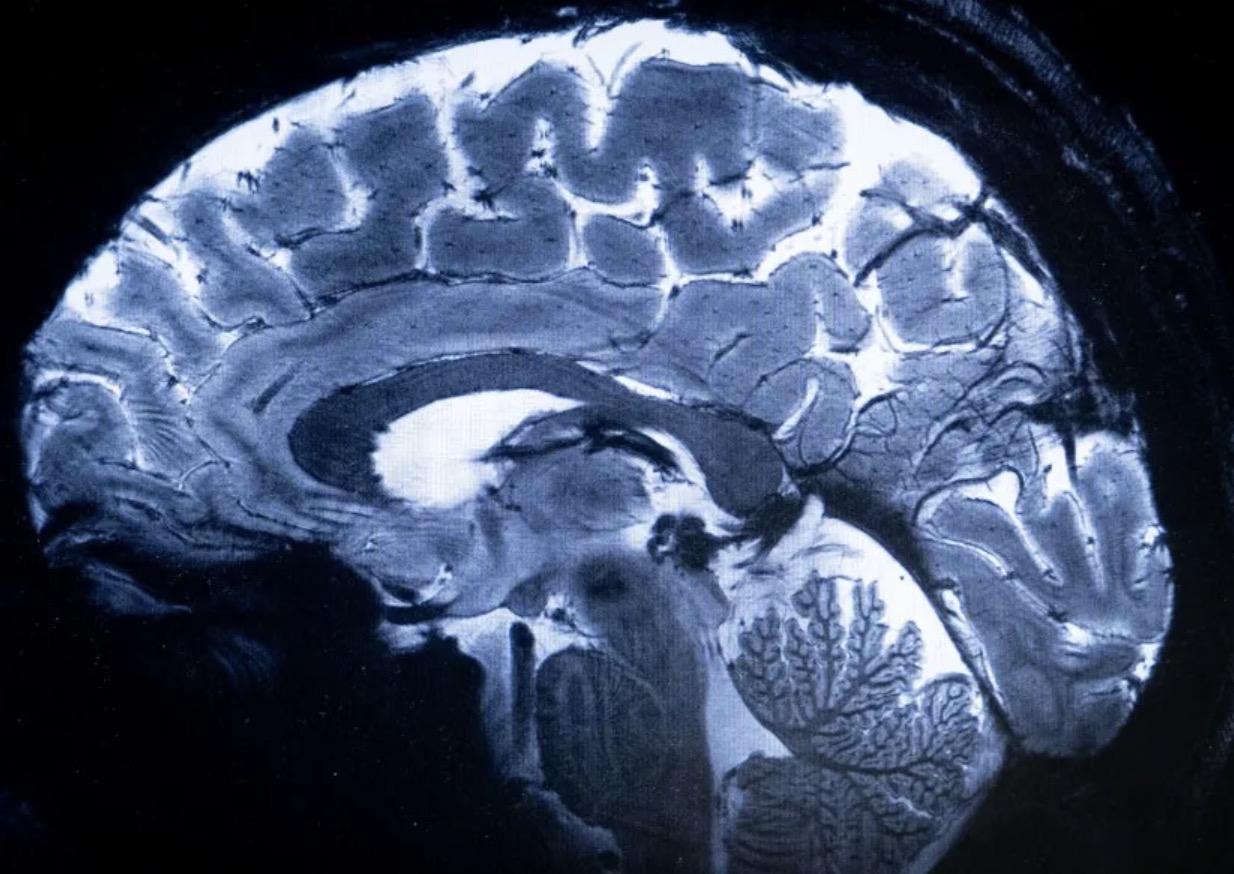
The research combined data from 25 previous studies involving 370 people diagnosed with anxiety disorders and 342 healthy participants. Using proton magnetic resonance spectroscopy, or 1H-MRS — a technique capable of measuring the chemical composition of brain tissue — scientists discovered that people with anxiety disorders consistently showed lower concentrations of choline, especially in the prefrontal cortex.
According to the researchers, choline levels in patients were approximately 8 percent lower than those found in healthy individuals. The pattern appeared across multiple anxiety-related conditions, including generalized anxiety disorder, panic disorder, and social anxiety disorder.
Dr. Richard Maddock, senior author of the study, said the difference may sound small numerically, but in the context of brain chemistry it is considered highly meaningful. He noted that this is the first large-scale meta-analysis to identify a reproducible chemical abnormality associated with anxiety disorders.
The discovery arrives as anxiety disorders continue to rise globally. Data from the World Health Organization estimates that around 359 million people worldwide were living with anxiety disorders in 2021, making them one of the most common forms of mental illness. Despite their prevalence, many patients either never receive treatment or fail to respond adequately to current therapies.
Existing treatments such as selective serotonin reuptake inhibitors (SSRIs) and cognitive behavioral therapy focus largely on serotonin signaling and behavioral management. The new study suggests there may also be a distinct metabolic component involved in anxiety that has been largely overlooked.
Unlike traditional MRI scans that focus on brain structure, 1H-MRS analyzes chemical metabolites inside brain tissue. Researchers evaluated eight different neurometabolites in total, but choline emerged as the most consistently altered compound. Other metabolites, including glutamate, GABA, creatine, and lactate, showed no major differences between patients and healthy participants.
Choline plays several essential roles in the body. It contributes to the formation of cell membranes and serves as a precursor for acetylcholine, a neurotransmitter involved in memory, muscle control, and emotional regulation. Because the human body cannot produce enough choline on its own, it must primarily come from dietary sources.
The researchers believe prolonged stress responses may explain the lower choline levels observed in anxious patients. Chronic activation of the body’s fight-or-flight system increases norepinephrine activity, which can alter brain membrane metabolism and raise the demand for choline-related compounds. Over time, insufficient dietary intake may fail to meet this increased demand, gradually reducing the brain’s choline reserves.
Importantly, the scientists caution that the study only demonstrates an association, not causation. The findings do not prove that low choline causes anxiety, nor do they confirm that increasing choline intake would relieve symptoms. Clinical trials specifically testing choline supplementation for anxiety disorders have not yet been completed.
Researchers also warn against self-medicating with high-dose choline supplements. Excessive intake has been associated with side effects including low blood pressure, liver toxicity, and elevated production of TMAO, a metabolite linked to cardiovascular disease risk. The National Institutes of Health currently sets the tolerable upper intake level for adults at 3,500 milligrams per day.
For now, experts suggest that individuals with anxiety disorders focus on maintaining a balanced diet that naturally provides adequate amounts of choline rather than turning to supplements. Foods rich in choline include egg yolks, salmon, chicken, soybeans, dairy products, and beef liver. Certain omega-3 fatty acids found in oily fish may also help transport choline more effectively into the brain.
While the findings are still preliminary, the study offers an important step toward identifying measurable biological markers for anxiety disorders. Researchers hope that a better understanding of brain chemistry could eventually lead to more targeted and effective treatments in the future.