


Apple’s 2026 lineup introduces its first foldable iPhone alongside new Pro iPhones, Apple Watches and AirPods, with AI emerging as the common thread across the ecosystem.
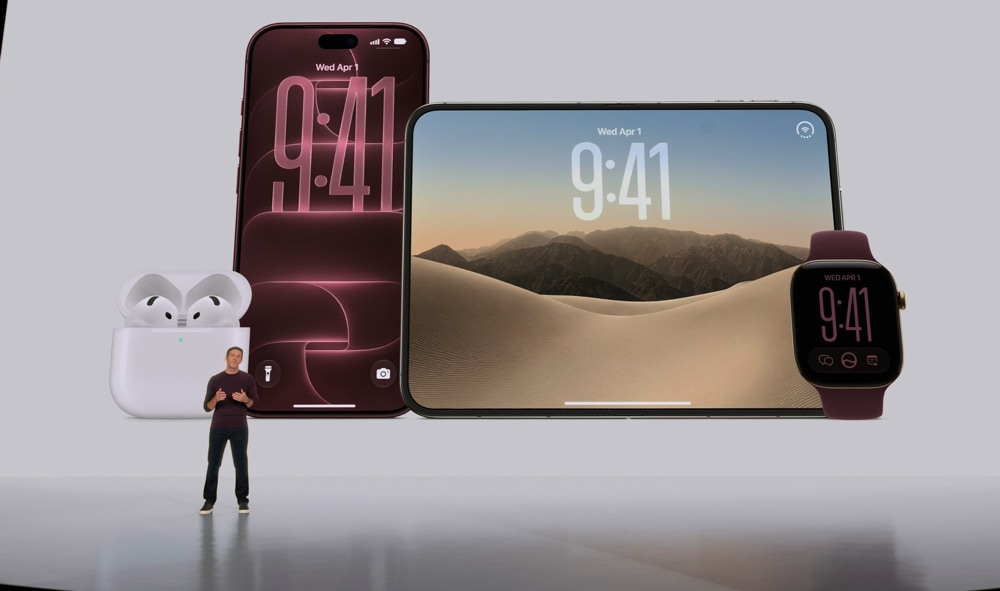
At its “Surprise and Shine” event in Cupertino on September 9, Apple officially unveiled a new generation of hardware, headlined by the iPhone Duo — its first foldable iPhone — alongside the iPhone 18 Pro, iPhone 18 Pro Max, Apple Watch Series 12, Apple Watch Ultra 4 and AirPods 5. The new lineup also highlights Apple’s broader push to integrate AI more deeply into its hardware and ecosystem.
Apple’s September launch event marks a significant shift in the company’s product strategy. Alongside upgrades to its flagship iPhone Pro lineup, Apple has entered the foldable smartphone market for the first time with the iPhone Duo, while expanding AI-powered experiences across its smartwatches and wireless earbuds. The company is also placing greater emphasis on personalized computing, health insights, language translation and voice-based interaction as increasingly important elements of its ecosystem.
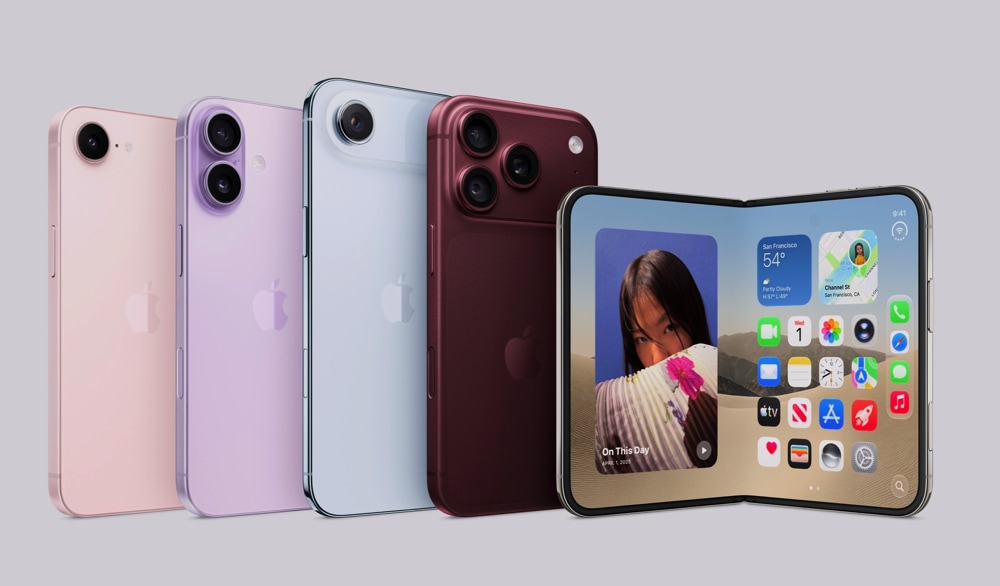
iPhone Duo: Foldable Design Finally Enters the Apple Ecosystem
The biggest announcement of the event was the iPhone Duo, Apple’s first foldable iPhone. When fully unfolded, the device features a 7.6-inch Super Retina XDR display, while the external display measures 5.4 inches. Apple says the inner screen is more than 50% larger than the display on the iPhone 18 Pro Max, while the folded form factor remains relatively compact for everyday use and portability.
The iPhone Duo is built with Grade 5 titanium and features a precision-engineered hinge containing more than 100 components. Its internal structure is designed to improve rigidity and durability, while a nano-texture coating on the inner display is intended to reduce reflections and make the crease less noticeable. The device carries an IP68 rating and uses Ceramic Shield 2 on the outer display, with Apple claiming up to three times greater scratch resistance than the previous generation.
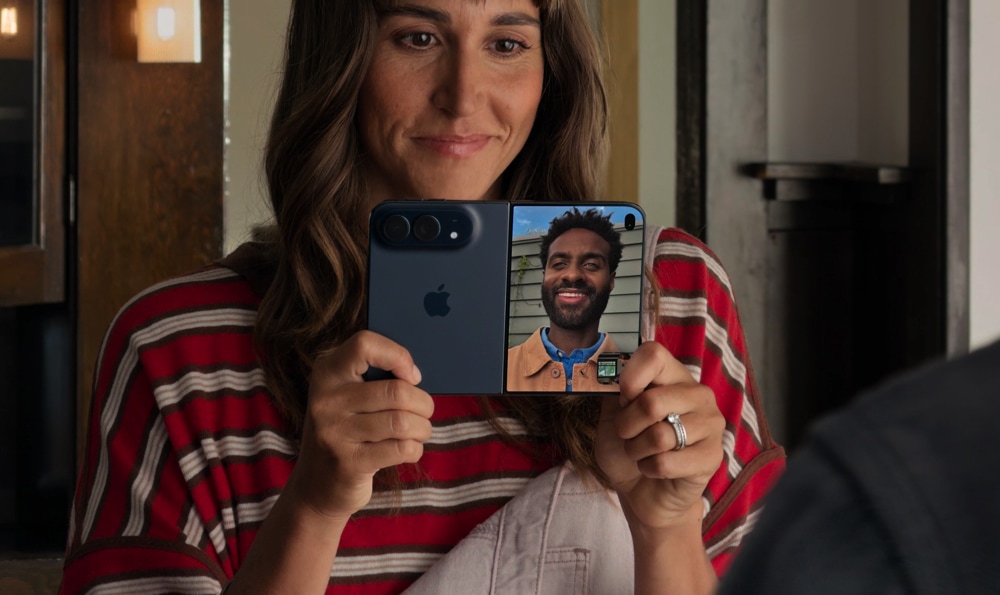
Powering the iPhone Duo is Apple’s A20 Pro chip, supported by a vapor-chamber cooling system and a dual-battery architecture. The device supports ProMotion and Always-On display capabilities, with peak outdoor brightness reaching 3,000 nits. Apple also says the iPhone Duo will support Apple Pencil USB-C later this year, expanding its potential for note-taking, sketching and document annotation on a smartphone.
The foldable design also opens up new possibilities for photography and video. Users can rely on the high-resolution rear cameras to take selfies, preview images on the external display or position the phone at different angles for hands-free video recording without a tripod. Smart Take uses on-device AI to analyze scenes in real time and automatically capture an image when the subject is in an optimal position.
The iPhone Duo will be available in Star White and Night Sky, with storage options ranging from 256GB to 2TB. Pricing starts at $1,999 in the U.S., with pre-orders beginning October 16 and sales starting October 23. Vietnam is among more than 70 countries and regions included in the initial launch.
iPhone 18 Pro and 18 Pro Max: A Stronger Focus on Cameras, Performance and AI
Alongside its first foldable iPhone, Apple introduced the iPhone 18 Pro and iPhone 18 Pro Max, with the latest generation focused heavily on camera capabilities, performance, battery life and AI.
Both models are powered by the A20 Pro chip and feature a new-generation vapor-chamber cooling system, which Apple describes as delivering the highest sustained performance ever offered on an iPhone.
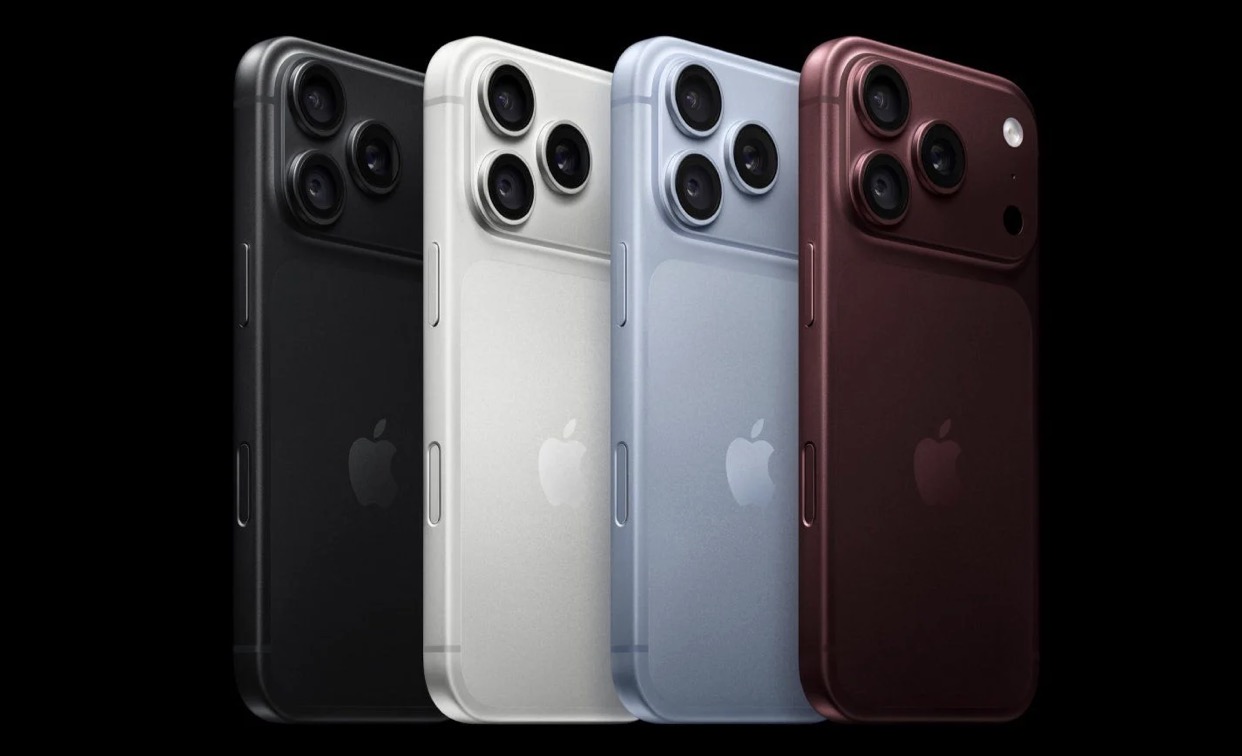
One of the most significant camera upgrades is a 48MP Fusion main camera with a variable aperture. For the first time, Apple is bringing adjustable aperture technology to the iPhone, allowing the system to automatically optimize the aperture according to lighting conditions and depth of field. Professional users can also manually select from four aperture levels within the Camera app.
Video capabilities have also been expanded. Cinematic effects can now be applied after recording at frame rates of up to 60 fps, while users can shoot 4K Dolby Vision HDR time-lapse footage. Apple has also improved Audio Mix for better voice processing and introduced additional Photographic Styles controls, giving users more flexibility over image texture and grain.
The iPhone 18 Pro and iPhone 18 Pro Max come in four finishes: Black, Silver, Glacier and Burgundy. Pre-orders begin September 12, with retail availability starting September 18. Vietnam is included among the markets receiving first-wave pre-orders.
Notably, Apple did not introduce a standard iPhone 18 at the event. This makes the 2026 lineup more clearly focused on the premium segment, with the iPhone Duo establishing an entirely new product category alongside the Pro models.
Apple Watch Series 12: Putting Health at the Center
Apple Watch Series 12 introduces an entirely new Health Sensing System that combines optical and electrical sensors to measure heart rate and heart rate variability (HRV) at a higher frequency.
The new system also provides the foundation for Readiness, a feature designed to help users understand how prepared their bodies are for activities throughout the day.
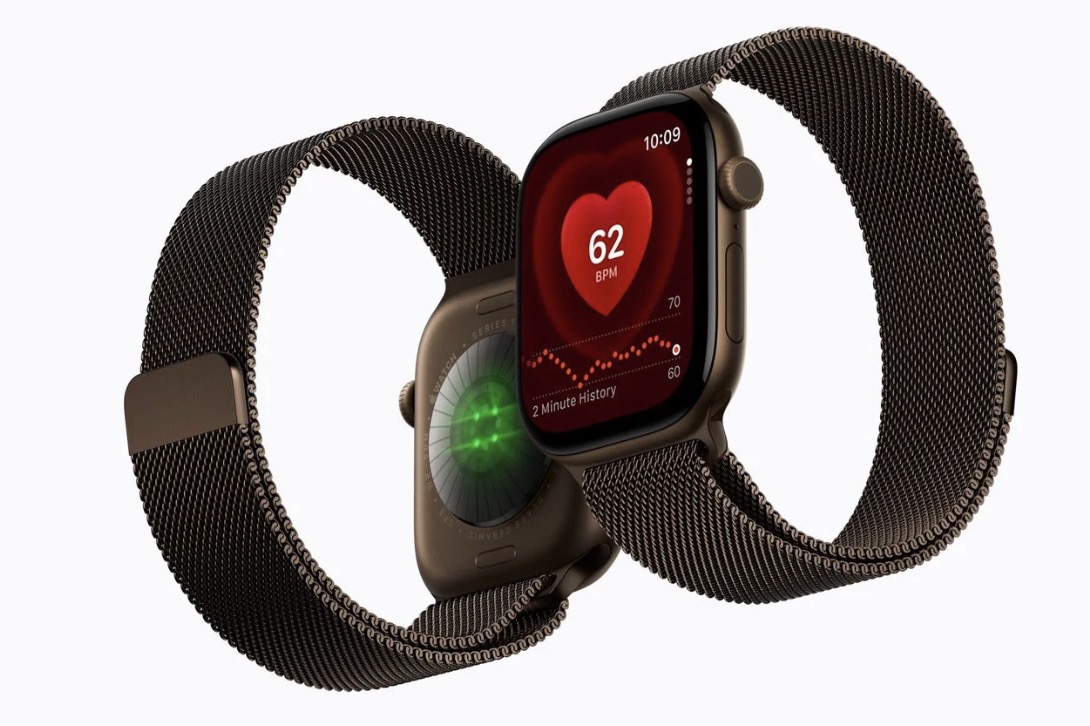
Apple says the new sensors can measure heart rate every five seconds throughout the day. These measurements are used to enhance activity, fitness and health metrics, while a redesigned Health app will introduce a Longevity section and Health Age feature later this year.
Apple Watch Series 12 is powered by the S11 chip and will also gain new Audio Intelligence capabilities later this year. watchOS 27 brings Siri AI to Apple Watch, allowing the assistant to better understand personal context and combine that context with broader knowledge during interactions.
The Apple Watch Series 12 lineup includes aluminum, titanium and a new ceramic option, with the ceramic model available in Pearl White and Night Blue. Pricing starts at $399 in the U.S., with sales beginning September 18.
Apple Watch Ultra 4: Built for Sports and Adventure
At the high end of its smartwatch lineup, Apple introduced Apple Watch Ultra 4, powered by the S11 chip and equipped with the same Health Sensing System introduced with Series 12.
The watch provides more frequent heart-rate and HRV measurements, Readiness insights and advanced tracking for a wide range of sports and outdoor activities.
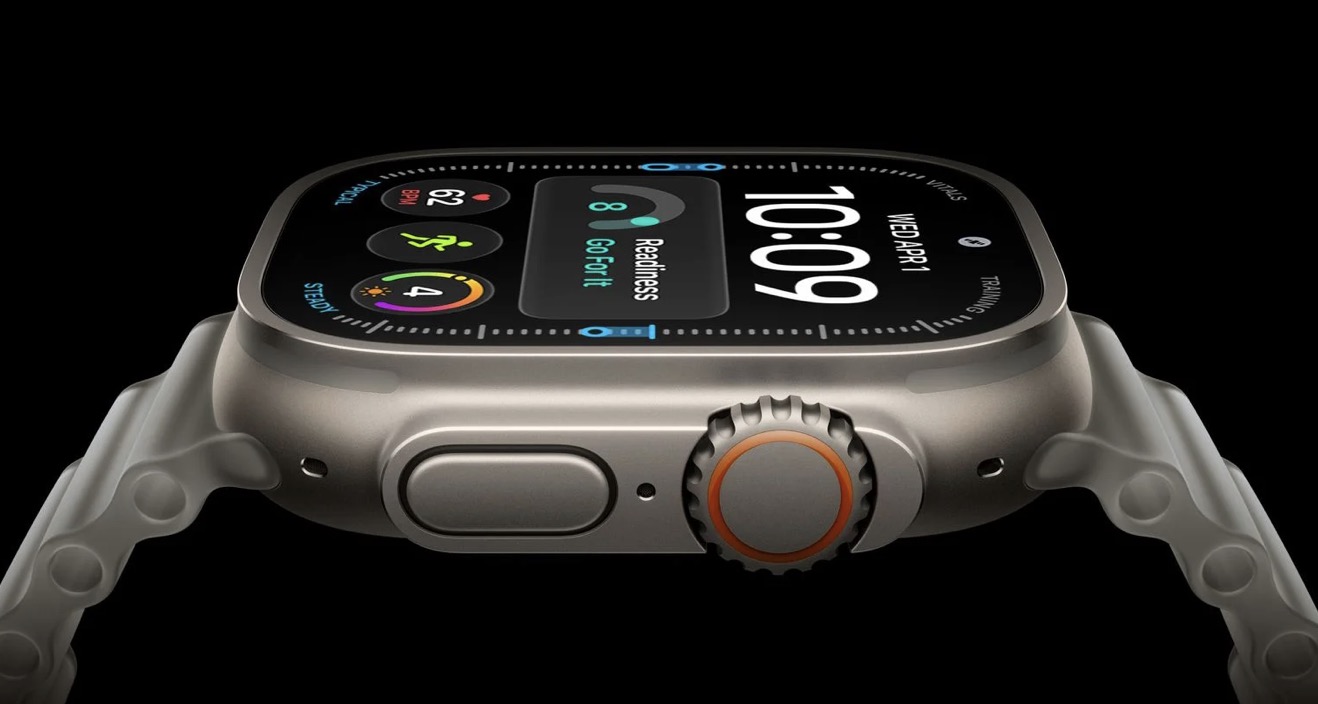
Battery life has been extended to up to 45 hours during outdoor workout tracking. Apple also highlighted the device’s onboard GPS capabilities, targeting users who regularly run, cycle, swim or participate in demanding outdoor activities.
Apple Watch Ultra 4 comes in Natural Titanium and Black Titanium finishes. Pricing starts at $799 in the U.S., with availability beginning September 18.
AirPods 5: ANC Comes to Apple’s Mainstream Open-Ear Line
Apple also unveiled AirPods 5, notable for bringing Active Noise Cancellation to its open-ear AirPods design.
Apple claims the new ANC system can reduce external noise by up to 50% more than the ANC version of AirPods 4. The earbuds feature a new multiport acoustic architecture and next-generation Adaptive EQ, while Transparency Mode has also been improved.
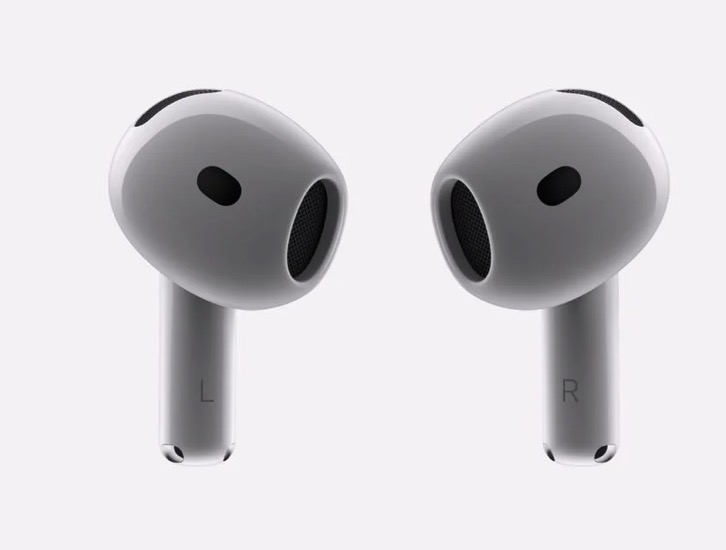
The version with a wireless charging case adds another new capability: users can adjust volume by swiping on the stem of the earbuds. The gesture-based control is a new addition to Apple’s open-ear design.
AI is another major part of the AirPods 5 experience. When paired with compatible devices, users can interact with Siri AI hands-free and even respond through head gestures such as nodding or shaking their heads. AirPods 5 also support Live Translation, allowing users to hear conversations translated into their preferred language.
AirPods 5 starts at $129, while AirPods 5 with a Wireless Charging Case costs $149. Both versions go on sale September 18.
AI Becomes the Common Thread Across Apple’s New Product Generation
The most significant aspect of Apple’s 2026 event is not simply the number of new products, but the way the company connects them through AI.
The iPhone 18 Pro, iPhone Duo, Apple Watch Series 12, Apple Watch Ultra 4 and AirPods 5 are all designed to take advantage of Apple Intelligence and Siri AI in different ways.
iOS 27 will officially launch on September 14, alongside Apple Intelligence and the Siri AI beta for compatible devices. Apple confirms that Apple Intelligence supports Vietnamese, while the Siri AI beta will initially launch in English before expanding to additional languages in October.
This points to a broader strategic shift at Apple: rather than treating AI as a feature attached to individual devices, the company is building an ecosystem of AI-powered experiences that can understand personal context.
The iPhone can use its cameras to see and analyze the world around the user, AirPods can assist with conversations and language translation, while Apple Watch continuously gathers health data to generate more personalized insights.
Apple’s New Product Lineup at a Glance
| Product | Key highlights | Starting U.S. price | Availability |
|---|---|---|---|
| iPhone Duo | Foldable iPhone, 7.6-inch inner display, A20 Pro, Apple Pencil support | $1,999 | October 23 |
| iPhone 18 Pro | 48MP variable-aperture camera, A20 Pro, AI | $1,199 | September 18 |
| iPhone 18 Pro Max | Pro camera system, larger battery, A20 Pro | $1,299 | September 18 |
| Apple Watch Series 12 | Health Sensing System, Readiness, S11 | $399 | September 18 |
| Apple Watch Ultra 4 | Health Sensing System, GPS, up to 45-hour battery life | $799 | September 18 |
| AirPods 5 | Open-ear ANC, Siri AI, Live Translation | $129 | September 18 |
| AirPods 5 + Wireless Charging Case | ANC, wireless charging, volume gesture controls | $149 | September 18 |
A New Apple Generation Built Around AI
Overall, the iPhone Duo is the product that makes the biggest statement from a hardware perspective, but AI is arguably the defining theme of Apple’s 2026 generation.
From smartphones and smartwatches to wireless earbuds, Apple is increasingly turning individual devices into different interaction points within a single personal intelligence system. In that vision, data, context and privacy become central to how users interact with the company’s hardware and services.
The foldable iPhone therefore represents more than a new form factor for Apple. Combined with the latest Pro iPhones, health-focused Apple Watches and AI-enabled AirPods, it signals an ecosystem strategy in which hardware increasingly serves as the interface for a more context-aware and personalized computing experience.
Note: Prices listed in this article are Apple’s announced U.S. prices. Official pricing and availability in Vietnam may vary.