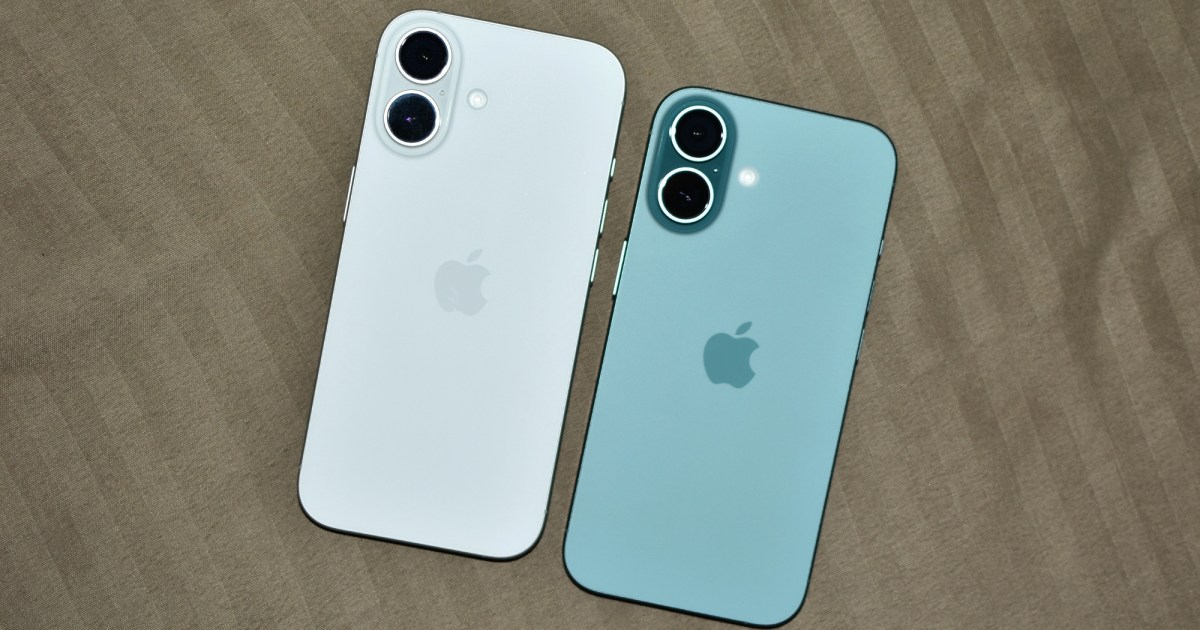






Leaker Fixed Focus Digital posted on Weibo that the iPhone 20 Pro is expected to use a titanium frame and adopt a more rounded shape, reminiscent of the iPhone Air.
According to the Weibo post, the iPhone 20 Pro will incorporate a titanium chassis, a material Apple previously employed for the iPhone 15 Pro and iPhone 16 Pro. The leaker said the design will be noticeably more rounded than recent Pro models, drawing visual parallels to the iPhone Air.
Apple switched to an aluminum unibody for the iPhone 17 Pro in 2025, citing better thermal conductivity and the addition of a vapor‑chamber cooling system. While the aluminum design improved heat dissipation, some users missed titanium’s premium feel and higher damage resistance.

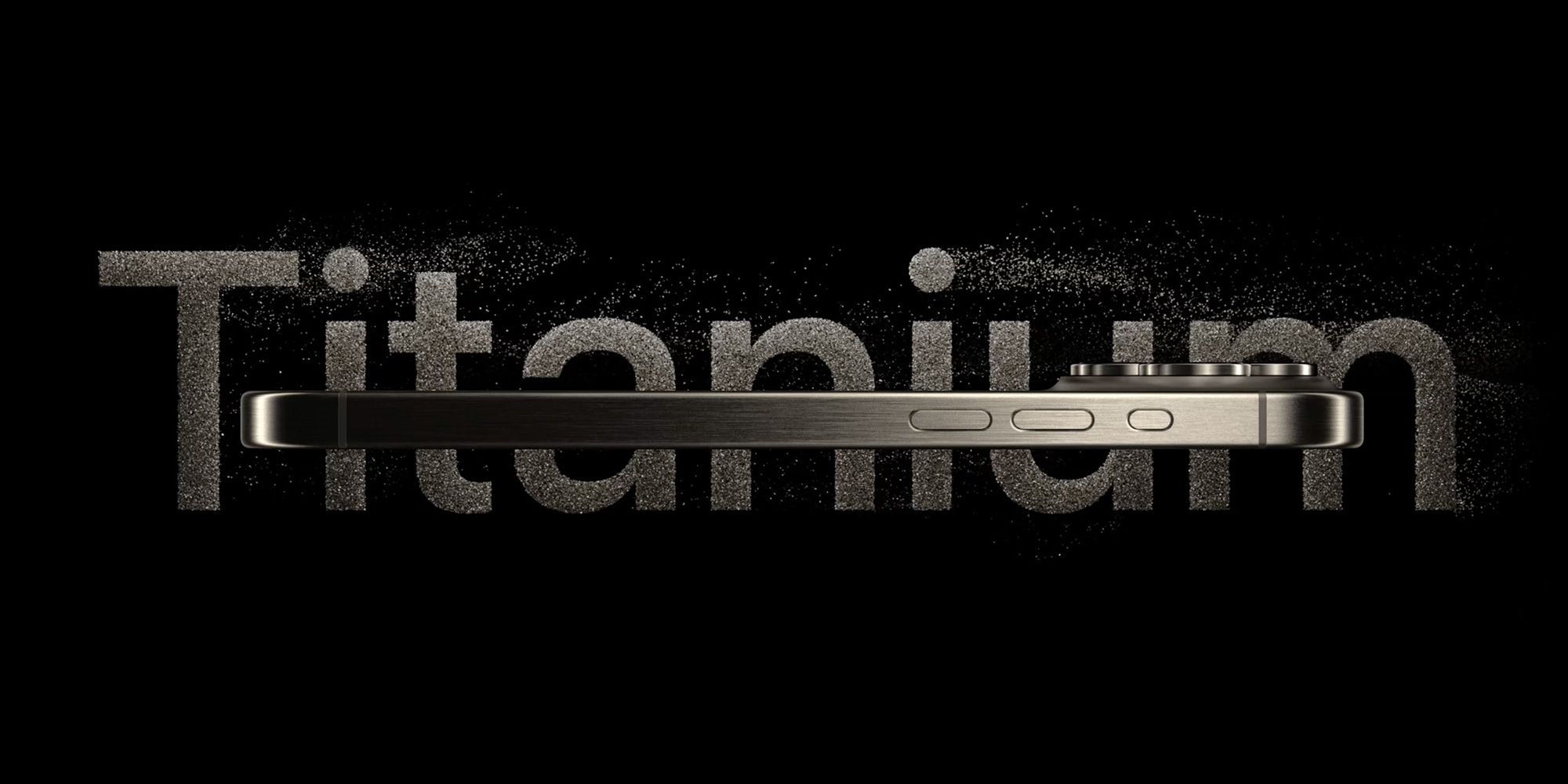
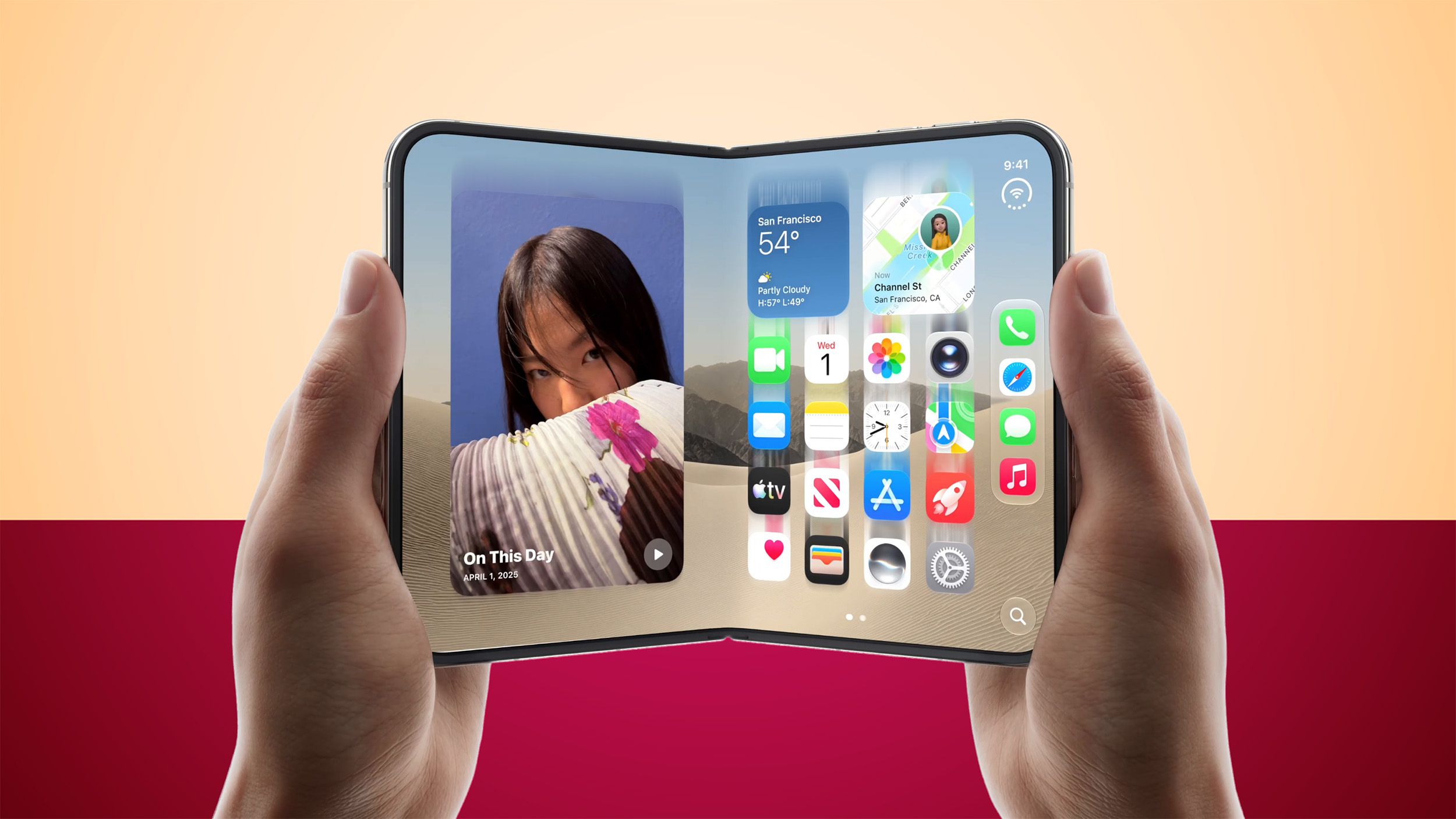
Fixed Focus Digital also noted that the iPhone Air and iPhone Duo already use titanium frames, and that the new Pro model may share the same glass material as the Air, reshaped with greater curvature on all four sides. An illustration accompanying the post shows curved front and rear glass meeting a narrow, polished metal band.
Bloomberg’s Mark Gurman has reported that Apple plans front and rear glass panels that curve into the sides around a thin metal band, a design shift he described as the biggest Pro‑line overhaul since the iPhone X. Gurman said an earlier, more aggressive concept that replaced more metal with glass was abandoned, leaving titanium as a likely candidate for the remaining band.
The leaker Ice Universe later indicated Apple is developing four Pro models, two with flat glass and two with glass curving along all edges. If the titanium frame material is confirmed, it would mark the first return of the alloy to the Pro lineup since the iPhone 16 Pro.

TechTimes Commentary
TechTimes believes the reported titanium frame could signal Apple’s effort to blend premium aesthetics with the thermal advantages of aluminum, aiming to satisfy both design‑focused and performance‑oriented customers. Re‑introducing titanium may also differentiate the iPhone 20 Pro from the iPhone Air, which already uses the metal, and could set a new benchmark for durability in flagship smartphones. If the material makes it to production, pricing is likely to rise modestly, reflecting higher material costs, and early adopters may view the change as a justification for a premium price point. Observers will watch supply‑chain signals for titanium sourcing to gauge the likelihood of final implementation.