





Microsoft unveiled a suite of AI‑focused services at Ignite 2026 in San Francisco, including Copilot Workspaces, Microsoft IQ and expanded integration with Salesforce, aimed at tighter human‑AI collaboration.
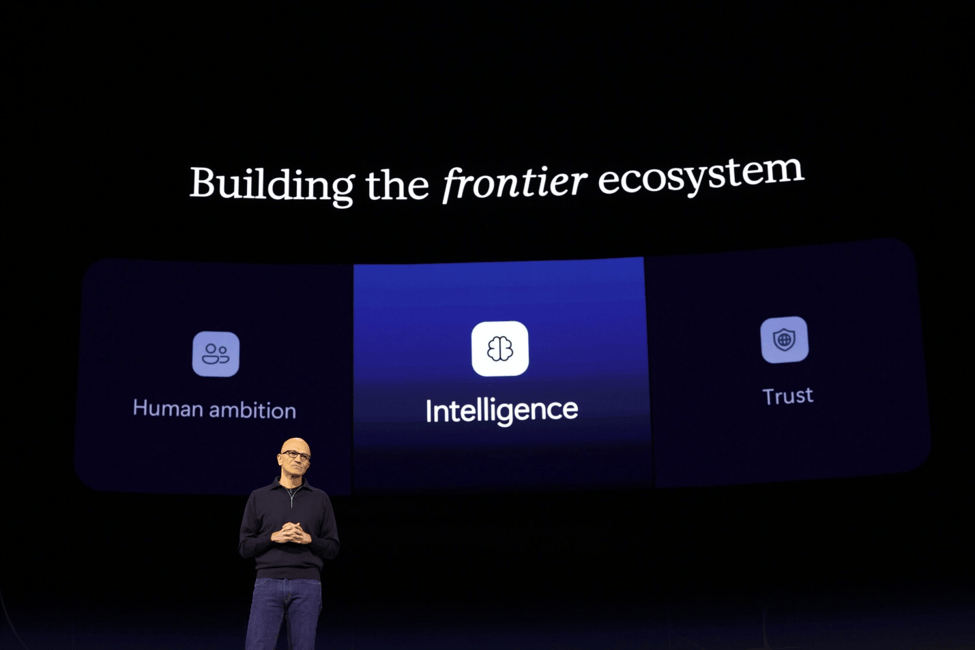
Speaking to a global audience of business and technology leaders, Microsoft CEO Satya Nadella framed the announcements around three pillars – aspiration, intelligence and trust – and stressed that AI advances must deliver real value to people, organisations and society.
The company positioned Copilot as a new operating system for work, introducing Copilot Workspaces where AI agents can handle repetitive tasks and sustain long‑running projects without constant human prompts. Copilot Code lets users generate dashboards, apps and other tools through natural‑language commands while respecting corporate security and governance policies.

Integration capabilities were broadened with a preview of Copilot for Salesforce, offering more than 38 pre‑built features for sales teams. Microsoft IQ, a knowledge‑management platform, enables organisations to catalogue, curate and expose internal expertise to AI agents, while new business plugins facilitate reuse of domain‑specific knowledge across multiple applications.
Microsoft Foundry received updates that let enterprises continuously refine AI agents using real‑world usage data, improving model quality, speed and cost efficiency. The Decision‑1.1 model, described as a low‑cost, fast‑decision engine, targets routing, classification and workflow‑prioritisation tasks.
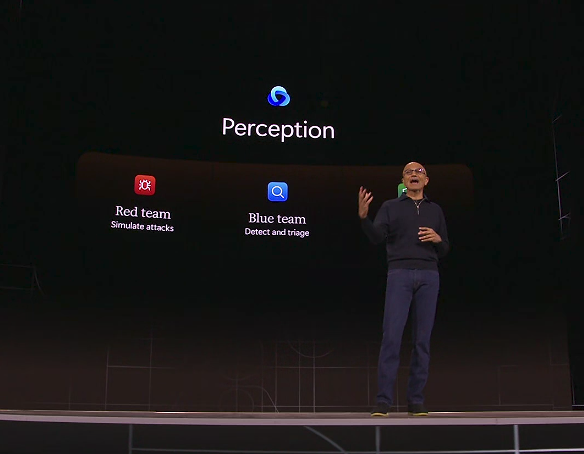
Security and transparency were highlighted through the wider rollout of Microsoft Perception, a service that links specialised AI agents to detect vulnerabilities, respond to threats and remediate gaps across corporate environments.

TechTimes Commentary
TechTimes believes Microsoft Ignite 2026 marks a strategic push to embed AI deeper into everyday enterprise workflows, moving beyond isolated assistants toward a collaborative AI ecosystem. By exposing internal knowledge via Microsoft IQ and offering low‑cost decision models, Microsoft aims to lower adoption barriers for midsize firms while maintaining enterprise‑grade security. The expanded Salesforce integration signals a focus on revenue‑driving use cases, and the broader availability of Perception suggests a response to growing concerns over AI‑induced attack surfaces. Observers will watch how quickly customers adopt these tools and whether the promised cost efficiencies translate into measurable productivity gains.