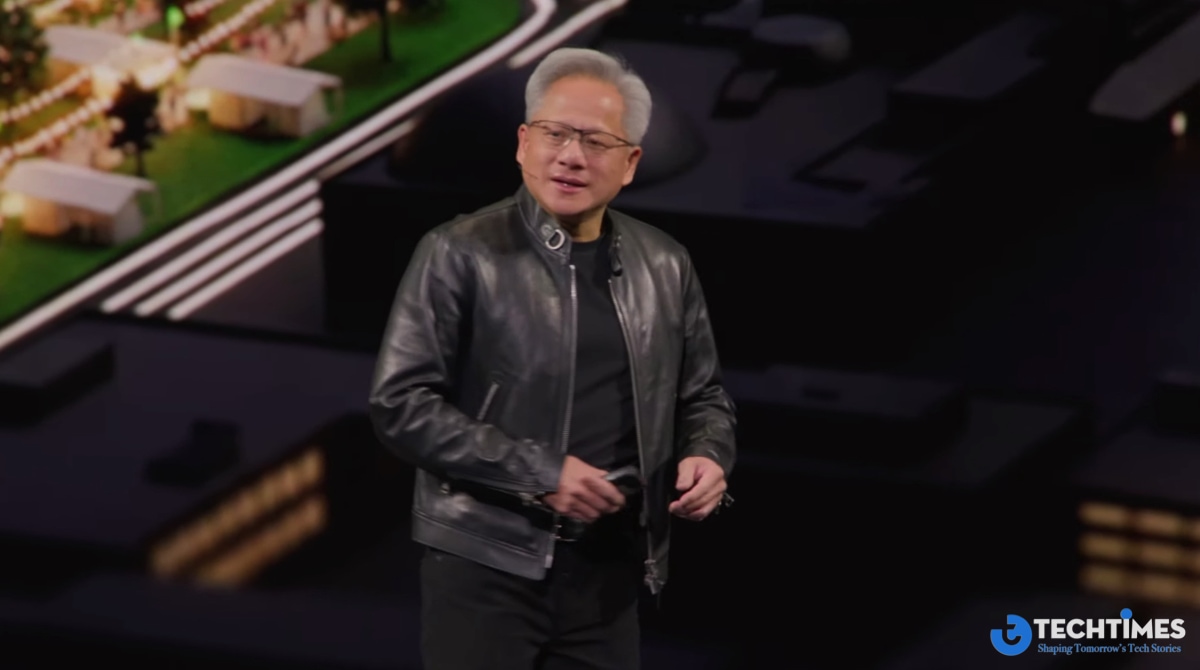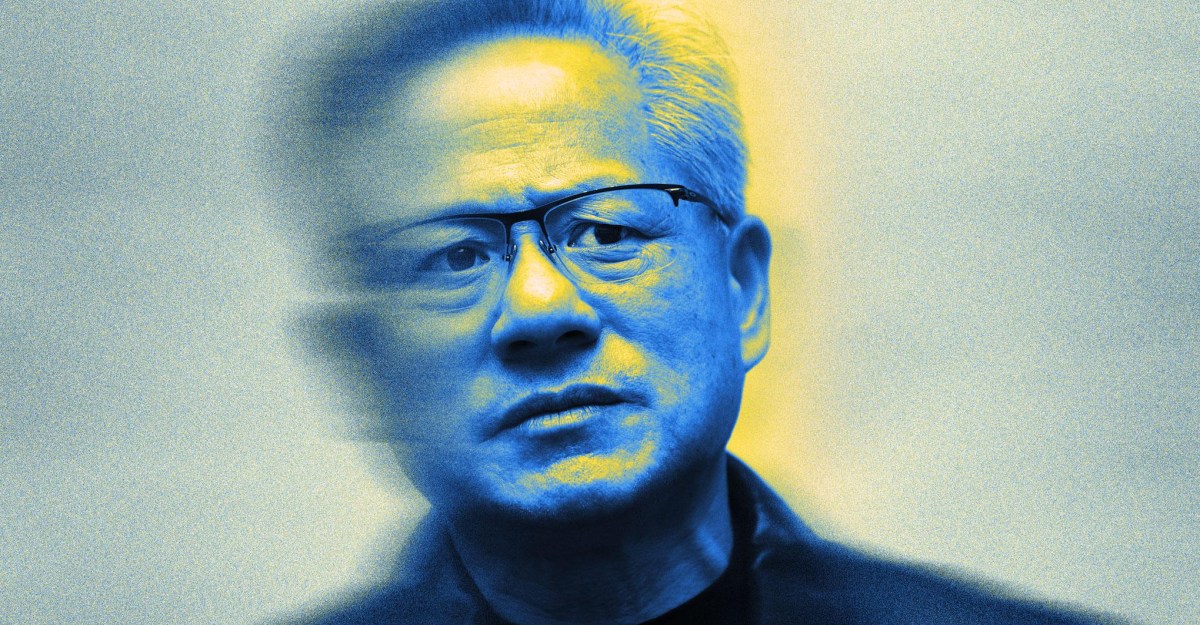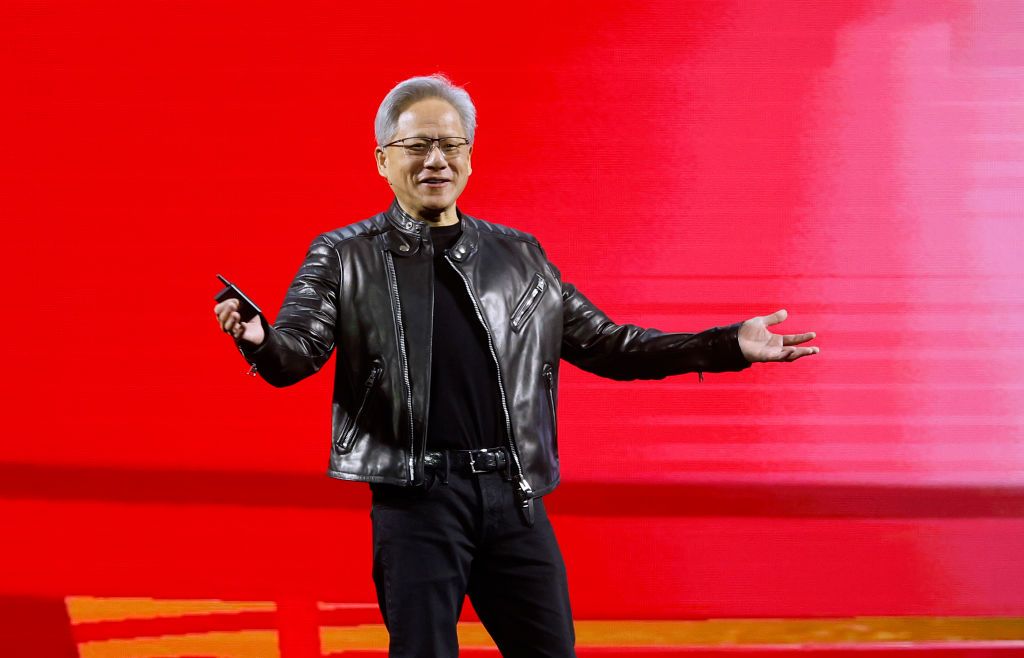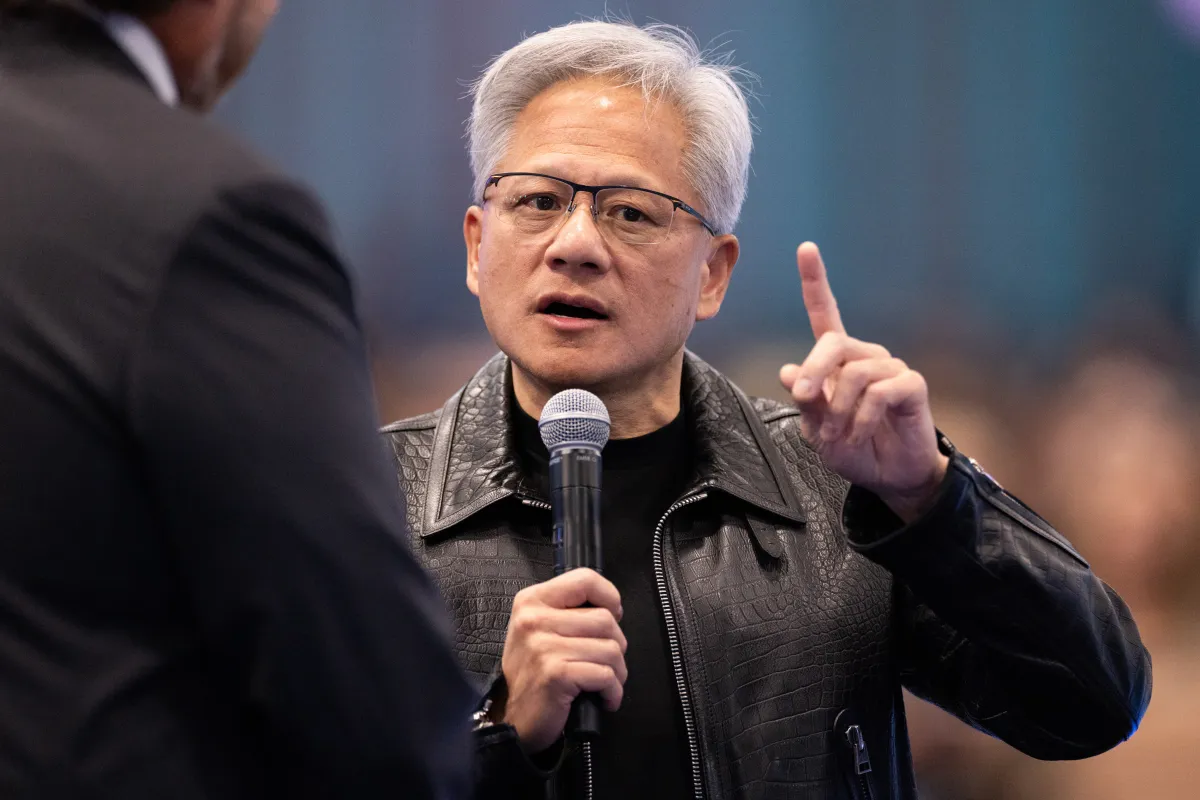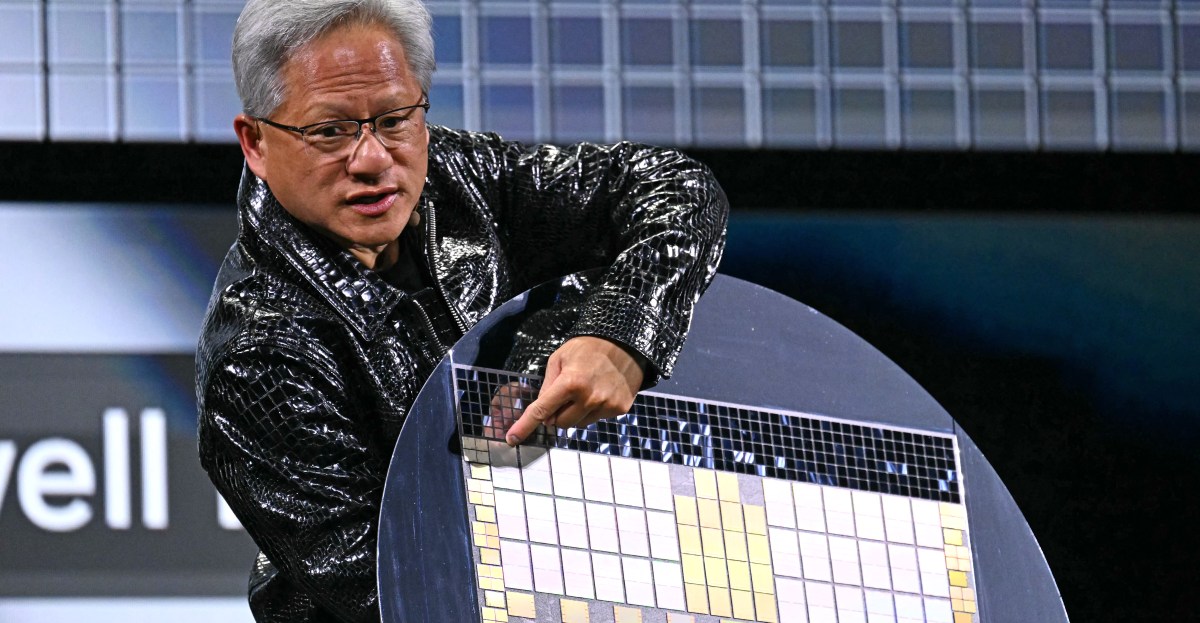






The resignation of CEO Jensen Huang has sparked concern across Israel's tech community, where Nvidia employs over 6,000 people and runs its largest R&D facility outside the United States.
Jensen Huang, the longtime founder and chief executive of Nvidia, announced his departure, prompting unease among investors and technology leaders in Israel. The country, which Huang once described as Nvidia's “second home,” has benefited from substantial corporate investment and research projects over recent years.
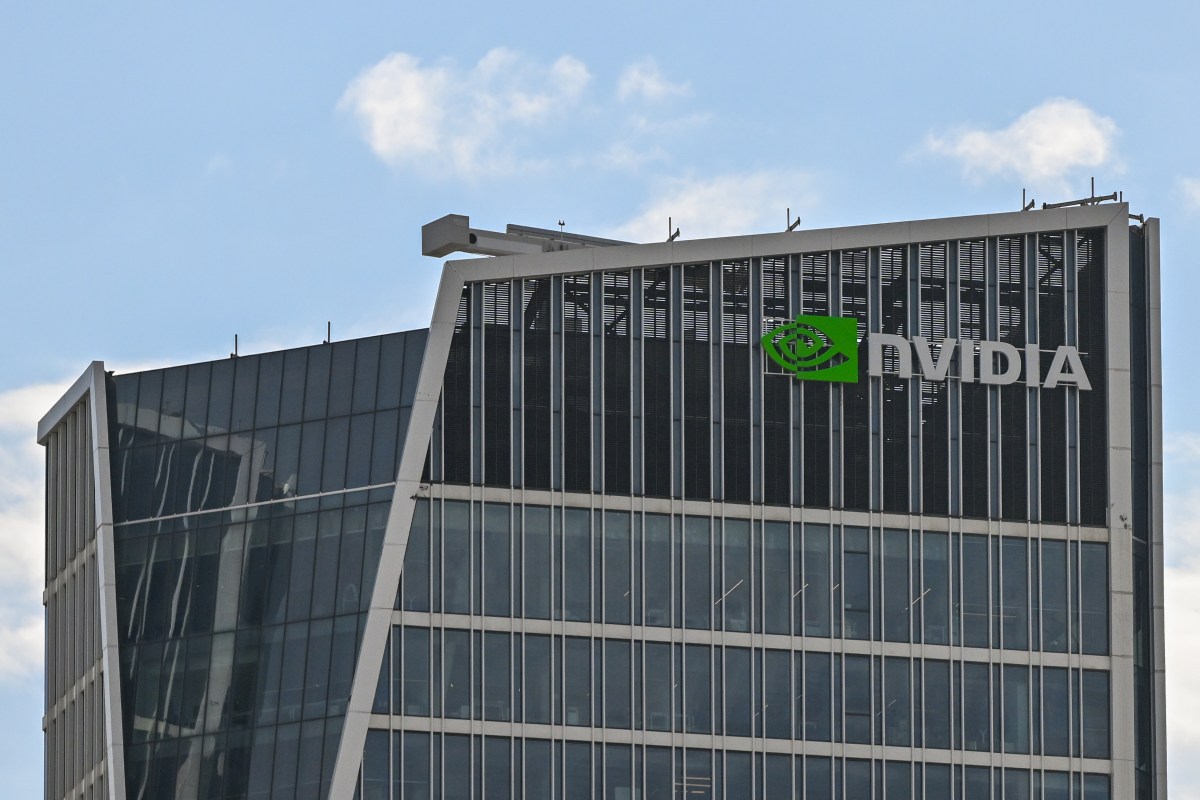
Nvidia’s acquisition of Israeli chipmaker Mellanox in 2019 for $6.9 billion turned the firm into the company’s biggest R&D hub outside the U.S. The chipmaker also anchors a planned multibillion‑dollar campus in northern Israel, intended to broaden AI‑focused manufacturing and development.

Following Huang’s exit, interim CEO Colette Kress – Nvidia’s chief financial officer – took over day‑to‑day leadership. Kress previously said she started her mornings with “Israel meetings, and only then continued to California.” Potential successors being discussed include two Israelis: Apple’s Johny Srouji and Nvidia veteran Michael Kagan, though neither is currently at the top of the list.
Yanai Oron, a general partner at Vertex Ventures Israel, warned that slower decision‑making at Nvidia could give rivals a foothold, but that any resulting dip in AI spending might shrink the overall market. Adi Levanon, founder of Selah Ventures, added that Huang’s departure does not dismantle Nvidia’s technology or ecosystem, yet it may grant competitors more room to shape the next wave of AI hardware.
As global firms deploy increasingly demanding AI agents, venture capital has begun flowing toward developers of AI‑specific chips and inference software that could challenge Nvidia’s dominance. Levanon emphasized that challengers must demonstrate better economics, because a leadership change alone will not win them business.
TechTimes Perspective
TechTimes believes the leadership transition at Nvidia introduces a period of uncertainty for Israel’s AI ecosystem, where the company has been a strategic anchor. Should Nvidia’s investment pace slow, local venture funds may redirect capital toward domestic AI‑chip startups, potentially expanding the role of firms like Mellanox. Global demand for GPUs remains robust, so Vietnamese companies evaluating new hardware partners should monitor price and supply‑chain shifts that could arise from this reshuffle.