


iPhone Duo The Hard Question
Apple may have solved the engineering challenge of building a foldable iPhone. The harder question is whether people actually need one.
The iPhone Duo marks Apple’s major entry into the foldable smartphone market, but its nearly $2,000 price, design trade-offs, camera compromises, weight and questions over real-world demand could make Apple’s first foldable iPhone difficult to turn into a mainstream product.
Apple is not entering the foldable smartphone market with what amounts to a simple experiment. iPhone Duo is positioned as a major evolution of the iPhone, combining a 7.6-inch foldable OLED display, a 5.4-inch outer display, the A20 Pro chip, a dual-battery architecture and iOS 27 optimized for the new form factor. When unfolded, Duo also becomes one of the thinnest iPhones Apple has ever produced.
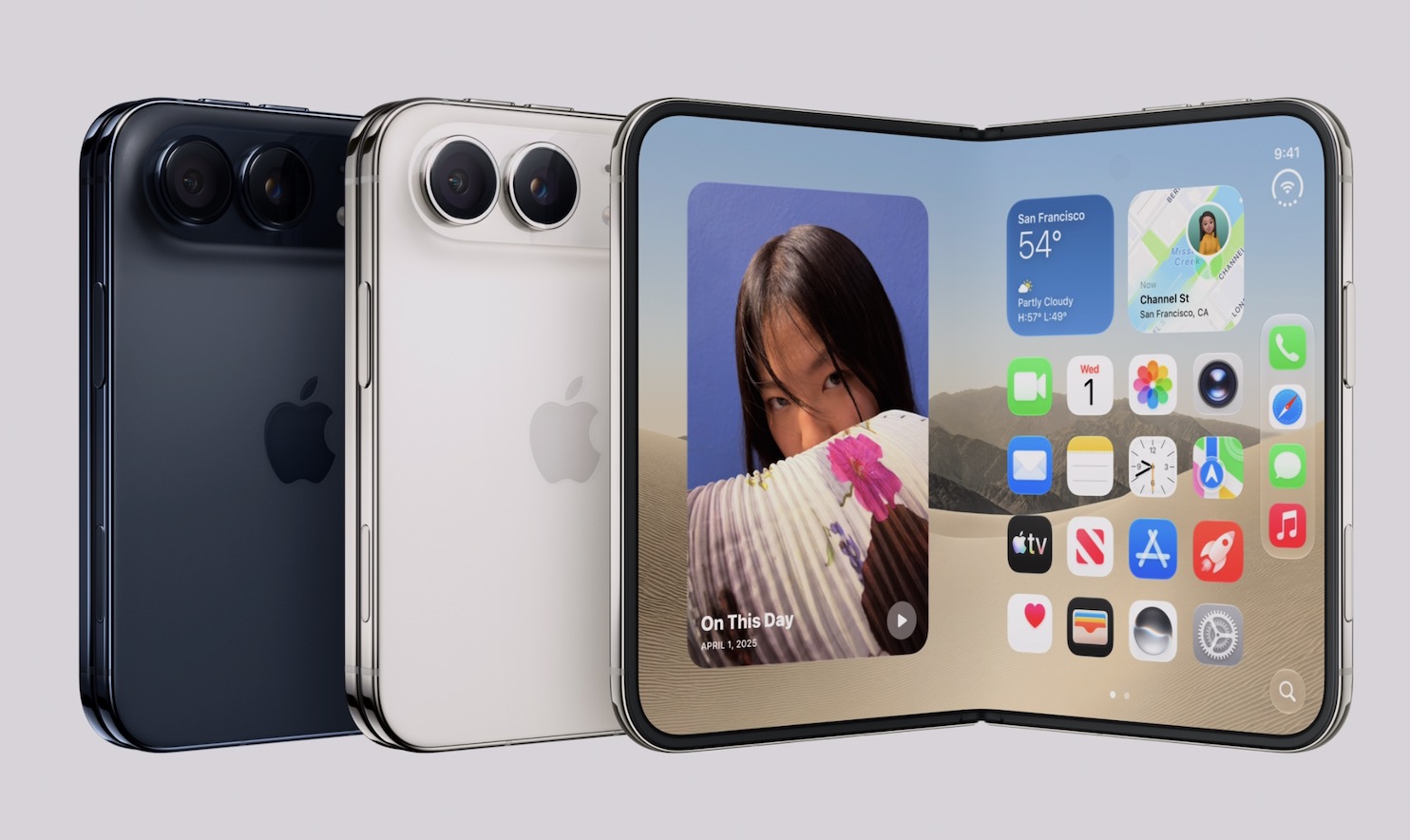
These specifications suggest that Apple spent years addressing the engineering challenges of foldable smartphones before bringing the product to market. But a technically impressive device does not automatically become a successful product. The bigger question for iPhone Duo is whether users actually need an iPhone that can unfold into a larger display and whether they are willing to pay nearly $2,000 for that experience.
Price could be the biggest barrier
iPhone Duo starts at $1,999 in the U.S. for the 256GB model, while the 2TB version reaches $3,199. In Vietnam, Apple lists the iPhone Duo from 64.999 million VND for 256GB, followed by 72.999 million VND for 512GB, 84.999 million VND for 1TB and 99.999 million VND for 2TB.
With a starting price of nearly 65 million VND and a top configuration approaching 100 million VND, iPhone Duo sits in an exceptionally high price segment. That positioning could significantly narrow the pool of consumers willing to adopt Apple’s first foldable iPhone.
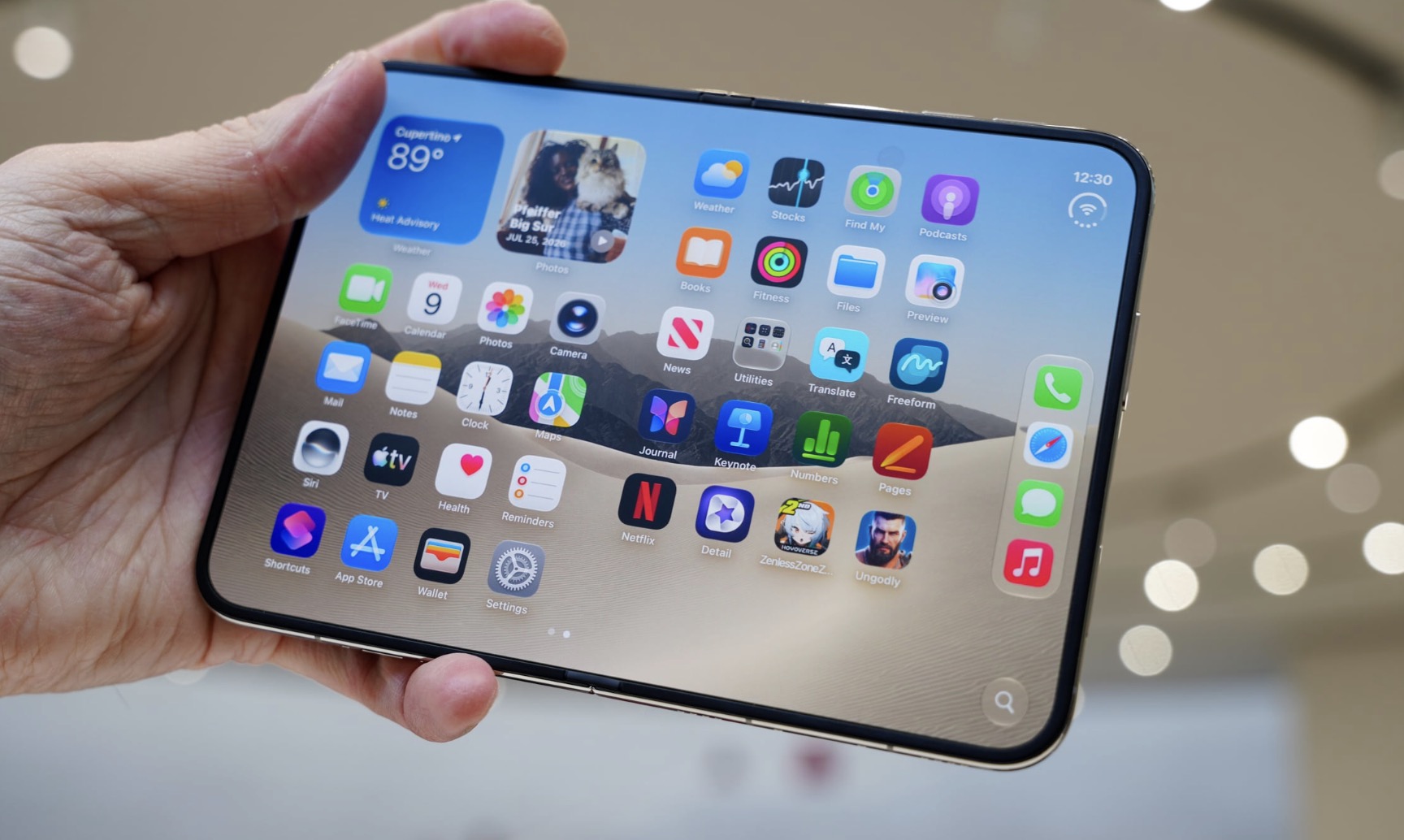
More importantly, this price does not simply make Duo a more expensive smartphone. It forces buyers to compare the device with entirely different alternatives, such as a premium iPhone Pro combined with an iPad or a less expensive Android foldable.
When the price difference reaches tens of millions of Vietnamese dong, Apple must demonstrate that the foldable experience delivers enough value, frequently enough, to make the additional spending feel justified.
This is also the question analysts raised following Apple’s announcement. The foldable smartphone market is growing but remains a relatively small share of the global smartphone market, with forecasts for 2026 still below 3% of shipments. Apple could help expand the category substantially, but Duo’s own price could simultaneously limit the number of people willing to enter it.
Apple is selling a solution to a need that may not be big enough
The 7.6-inch display is undoubtedly iPhone Duo’s most obvious attraction. When unfolded, it provides significantly more screen real estate than a conventional iPhone, making it suitable for watching content, gaming, reading documents and handling multiple tasks.
But a larger display does not automatically create a larger need. The most common smartphone tasks — making calls, messaging, checking notifications, making payments, taking quick photos and browsing social media — can still be handled on the outer display.
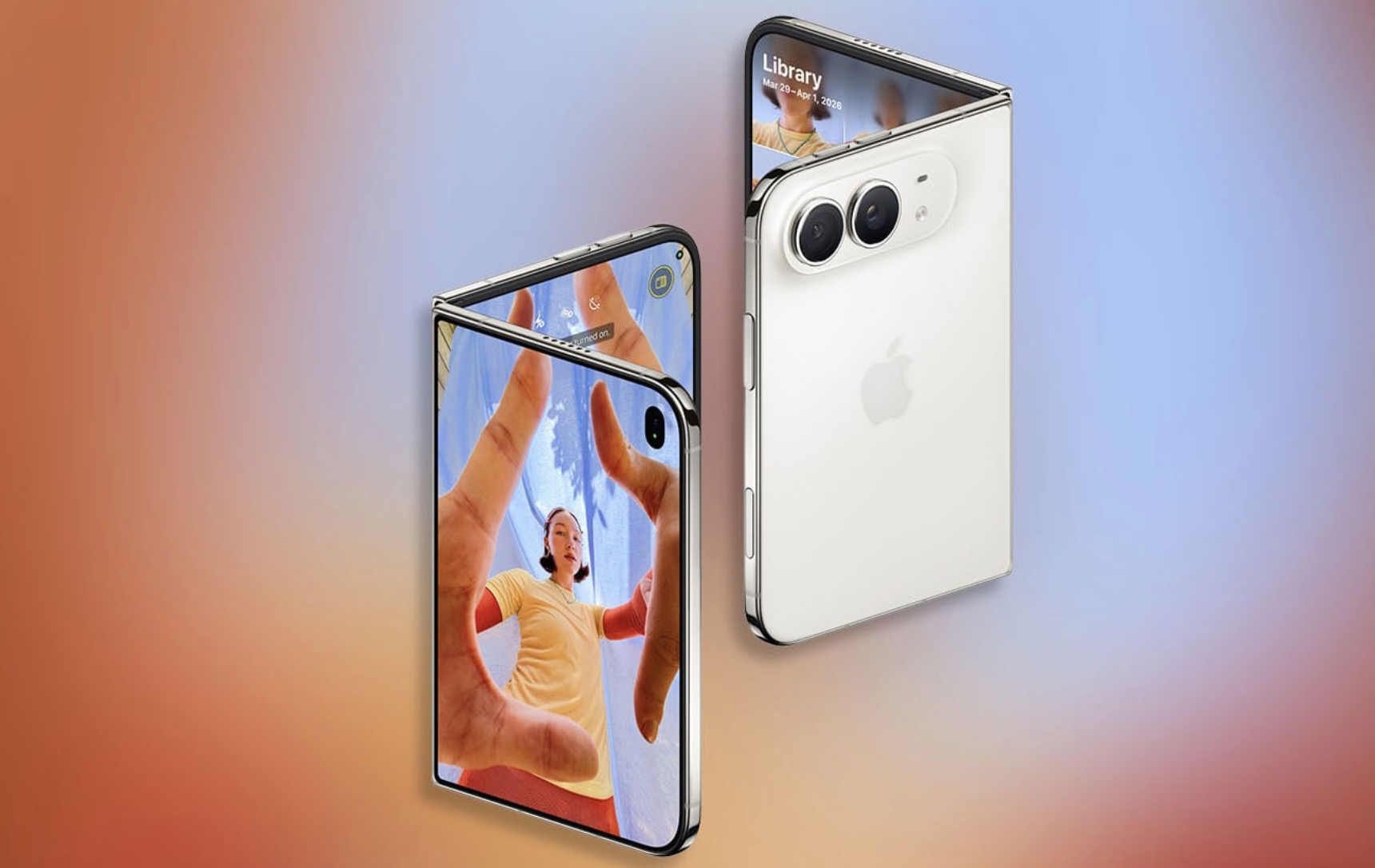
That is the crucial difference between an interesting feature and an essential need.
A new product can make a powerful first impression, but to generate substantial sales it has to make users feel that they will actually use its defining feature frequently. iPhone Duo will have to demonstrate that a foldable display is not merely a new way to use an iPhone, but a better way to use one in enough everyday situations.
254 grams is the price of the foldable design
Apple has achieved a notable engineering milestone by bringing Duo down to just 5.2 mm when unfolded. But folded, the device is 11.3 mm thick and weighs 254 grams, while also carrying a significantly more complex structure than a conventional iPhone.
254 grams is not an extraordinary figure in the premium smartphone world, but it becomes more significant when viewed through the way people use their phones every day. Users carry the combined weight of two displays, a hinge and a dual-battery system even when they do not need the larger screen.
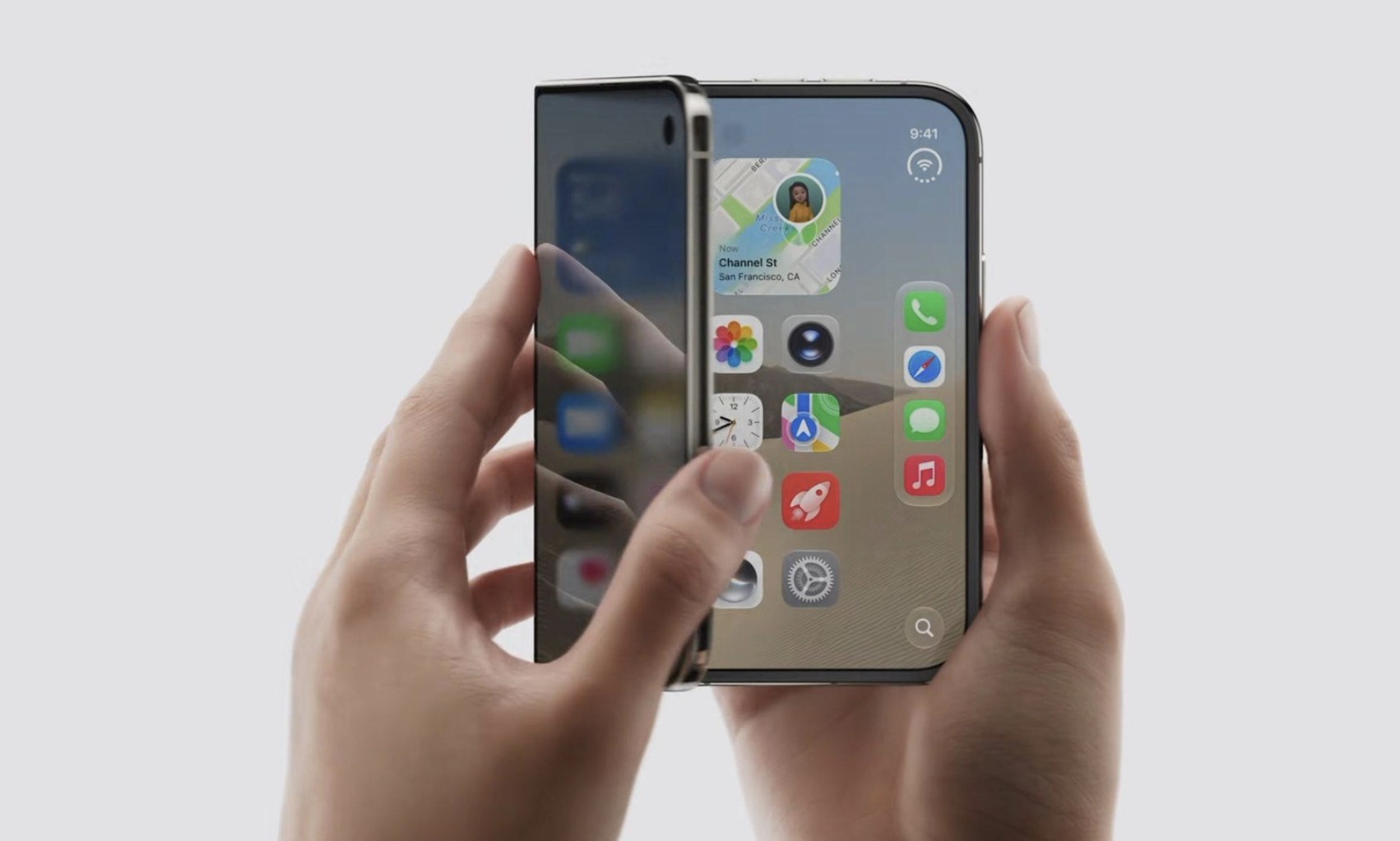
This is a trade-off that conventional iPhone Pro buyers do not face to the same extent. If the 7.6-inch display is used frequently, the additional weight may be seen as a reasonable price for added utility. But if Duo spends most of its time functioning like a conventional smartphone, 254 grams becomes a physical cost users carry every day.
iPhone Duo is not Apple’s most complete camera phone
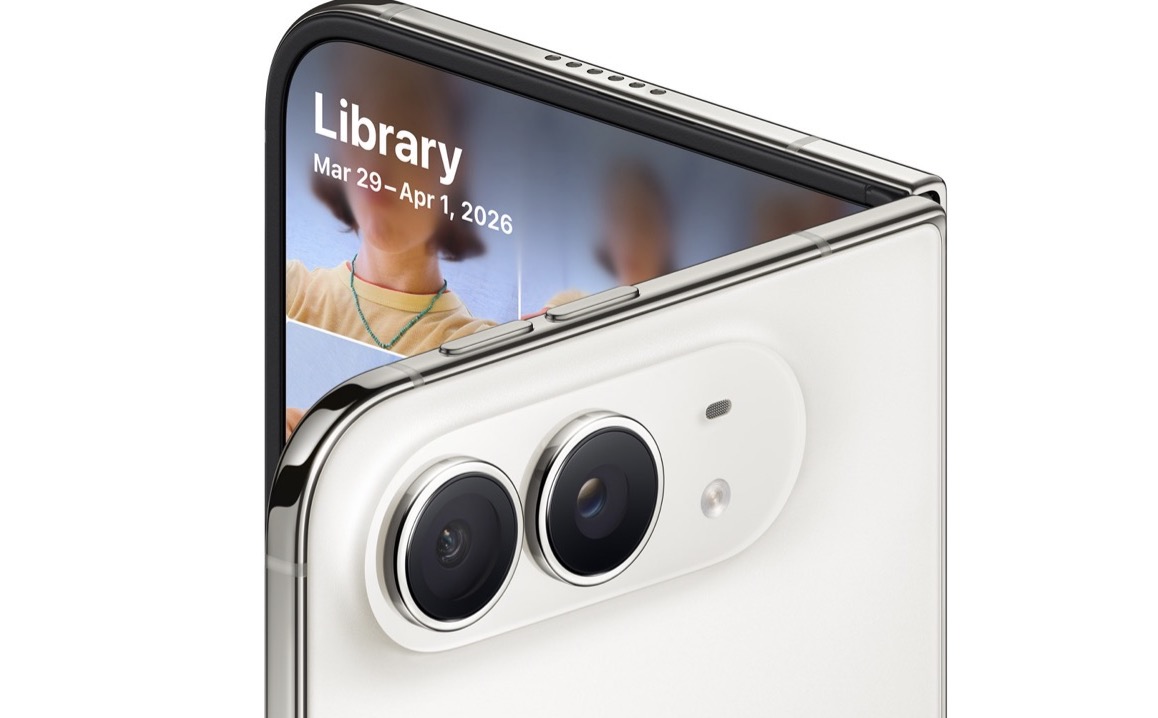
The camera system may be one of the most important considerations for buyers of a premium iPhone. iPhone Duo features a 48MP Dual Fusion system with a main camera and an ultrawide camera, but it does not include a dedicated telephoto system like Apple’s high-end iPhone Pro models.
This does not mean Duo is a poor camera phone. The issue is the expectation created by its price. At nearly $2,000, some buyers may expect the device to represent the most complete iPhone Apple offers, while Duo instead prioritizes its foldable design and thinness over including every high-end camera capability.
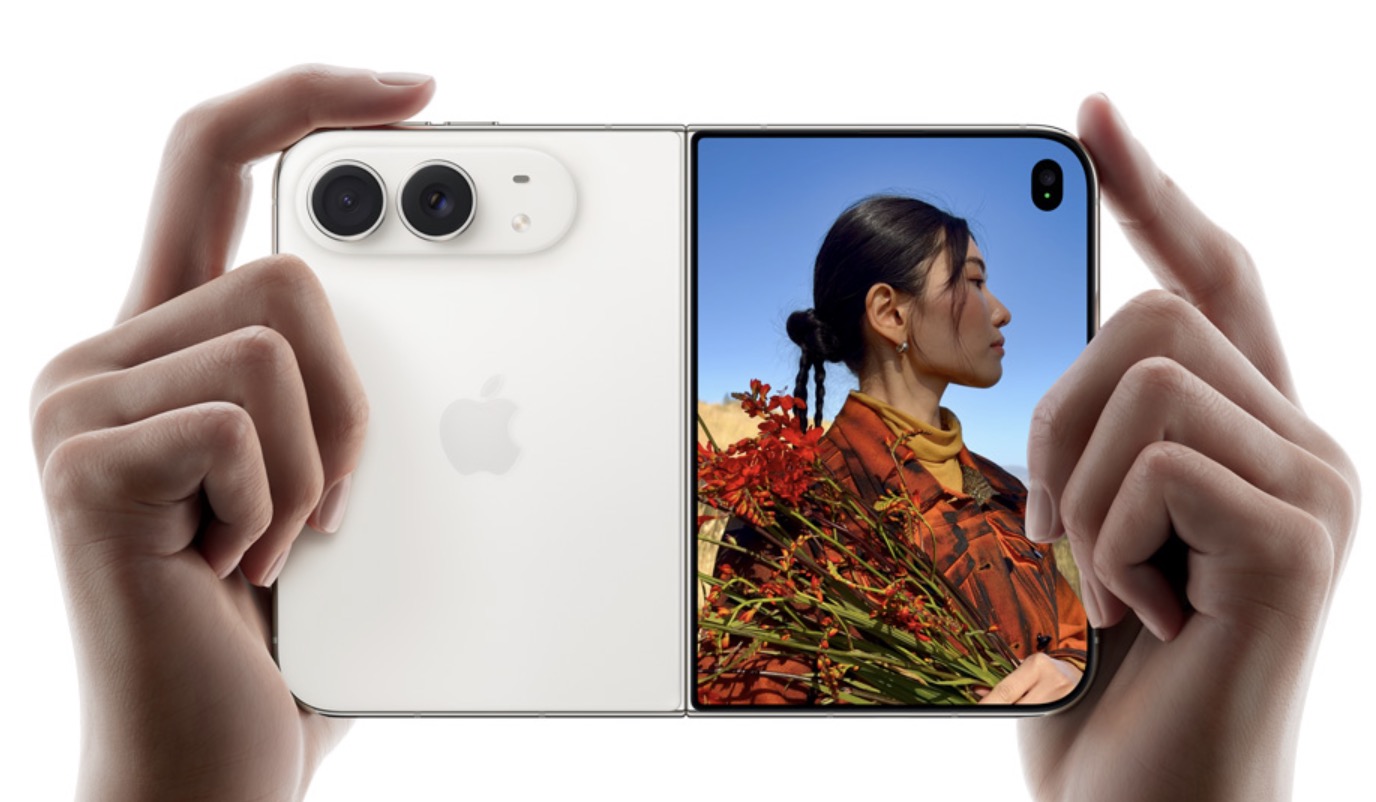
The paradox is clear: iPhone Duo may be one of the most expensive iPhones, but it is not necessarily the strongest iPhone in every category. Buyers are paying more for a different experience, rather than for every capability Apple has to offer.
Touch ID replacing Face ID shows that the foldable design still requires compromises
iPhone Duo uses Touch ID integrated into the side button instead of Face ID. From a design perspective, this allows authentication whether the device is closed or unfolded without requiring the familiar TrueDepth system used on current iPhones.
However, the change also shows how the foldable form factor forces Apple to give up part of an experience that has become characteristic of premium iPhones. Users are accustomed to simply looking at their phone to unlock and authenticate, whereas Touch ID requires a different physical interaction.
Touch ID itself is not obsolete technology, but the change is significant from a product-design perspective. Apple’s strength has traditionally included consistency of interaction, so changes to fundamental behaviors can make Duo feel different in ways that may be welcomed by some users and less so by others.
The larger display is both an advantage and a battery challenge
Apple equips Duo with a dual-battery system designed around its foldable architecture and promotes notable battery life across both displays. The 7.6-inch inner display provides an experience approaching that of a small tablet, while the outer display allows the device to function like a conventional smartphone.
Yet the larger display also increases power demands. When users regularly take advantage of the 7.6-inch screen, Duo’s biggest advantage simultaneously becomes one of the elements requiring the most energy.
Smartphone or pocket-sized tablet?
The real-world experience will depend heavily on whether users treat Duo primarily as a smartphone or repeatedly exploit it as a miniature tablet.
Apple can address part of the problem through a newer chip, power management and the dual-battery design, but it cannot change the basic reality that a larger display and demanding workloads consume more energy.
Duo’s success also depends on app developers
Apple controls the hardware, iOS and developer tools, but it cannot single-handedly determine how millions of third-party apps will take advantage of the 7.6-inch display. If popular apps simply stretch their existing interfaces across the larger screen, much of the benefit of the foldable design will be lost.
Conversely, if developers use the inner display for two-column interfaces, drag-and-drop workflows, content creation, multitasking and specialized workflows, Duo could create an entirely new layer of interaction. But that process takes time and depends on developers seeing enough users to justify the investment.
This is a familiar challenge for any new hardware platform. Apple can create a compelling device, but to turn it into a genuinely differentiated product, the software ecosystem has to give users reasons to unfold the device regularly rather than simply satisfying their curiosity during the first few days.
Apple is entering a market that is still far from mainstream
Samsung, Huawei and other Android manufacturers have spent years developing foldable smartphones before Apple’s arrival. Samsung remains one of the leading companies in the category, while Huawei has also established a significant position. Apple therefore enters an existing market rather than an empty one.
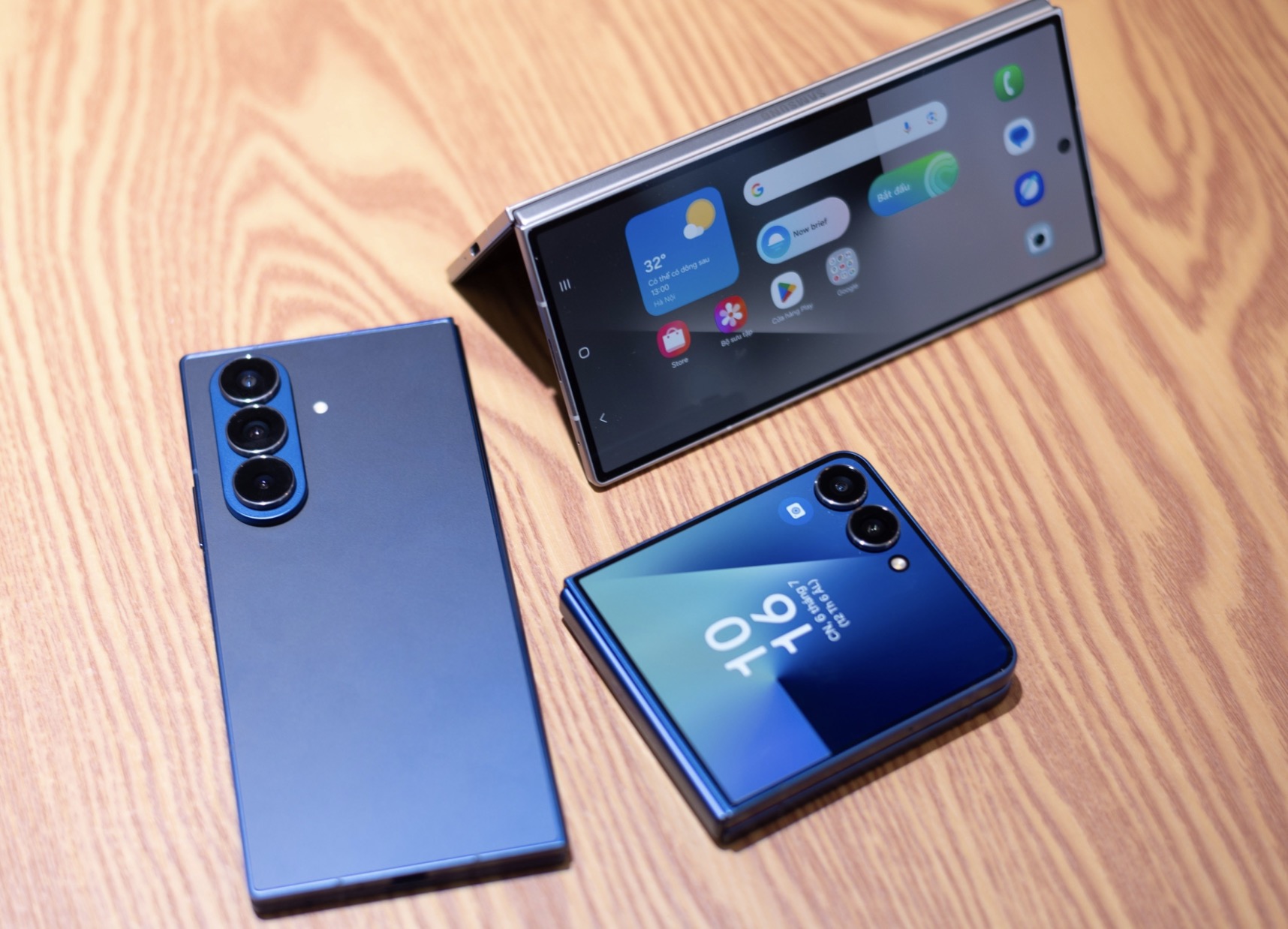
Apple’s advantages include its ecosystem, brand and ability to tightly integrate hardware with software. Those advantages, however, do not automatically turn a relatively small product category into a mainstream market.
Apple does not need to prove that foldable smartphones can exist. Android manufacturers have already demonstrated that for years. What Apple needs to demonstrate is that a foldable display can become a natural part of the iPhone experience and compelling enough for millions of users to change how they use their phones.
Duo could become a halo product rather than a mainstream flagship
Another possibility is that iPhone Duo could generate a powerful brand effect without reaching the sales volumes of Apple’s mainstream iPhone lines. Such a product could still create value by demonstrating Apple’s engineering capabilities, generating attention and paving the way for more accessible foldable products in future generations.
If Apple wants foldable technology to become a major pillar of the iPhone lineup, however, sales would need to reach a level capable of supporting a broader ecosystem of apps, accessories and services. If most consumers continue choosing models such as iPhone 18 or iPhone 18 Pro, Duo could have substantial symbolic influence without contributing at the same scale.
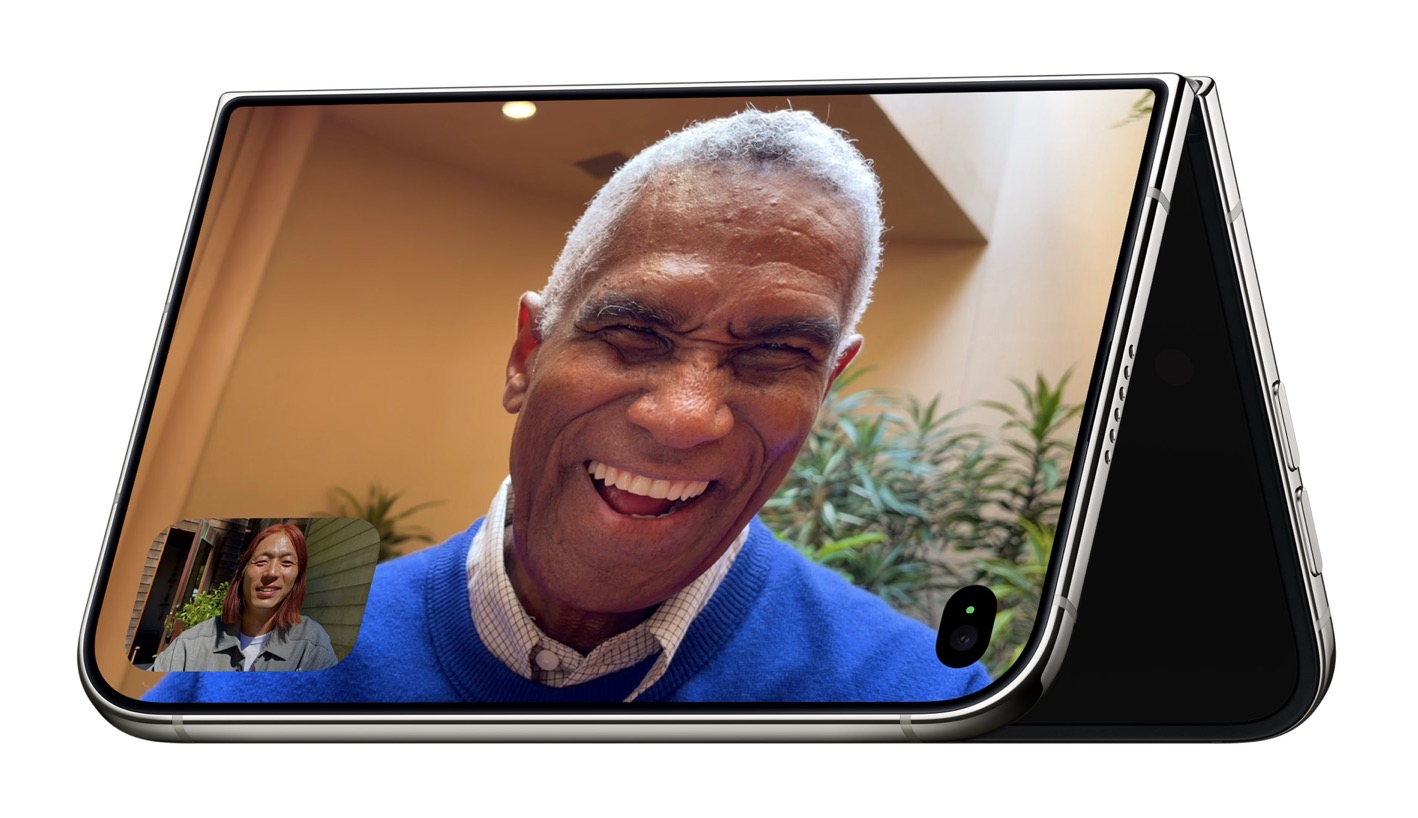
That would not necessarily mean the first generation failed to serve a strategic purpose. Apple could use the first model to establish the platform, gather feedback and reduce production costs before expanding the product family.
But if the initial expectation is to create an entirely new iPhone category at substantial scale, the gap between market attention and actual purchase demand will be an important metric to watch.
Android competitors make the pricing equation even harder
Apple enters the market with a $1,999 starting price, while Android competitors already offer premium foldable smartphones at comparable or lower prices. Price differences alone do not determine buying decisions, but Android manufacturers also have years of experience developing and refining foldable designs.
That makes the argument that buyers should pay a premium because Duo is Apple’s first generation less compelling on its own. Consumers already have multiple options if their primary goal is simply to experience a smartphone that unfolds into a larger display.
Apple can differentiate Duo through its ecosystem, iOS and hardware-software integration. But in terms of the basic utility of a foldable form factor, Duo is not entering an empty market. It is competing against products that have had years to mature.
“Expensive but worth it” is the story Apple has to prove
Apple has often been able to make a high price part of a product’s perceived value. With iPhone Duo, the proposition is more complicated because buyers are not simply paying for performance, cameras or build quality. They are primarily paying for a new way of using an iPhone.
That means Apple has to make the benefits of the foldable display visible in everyday life. If the difference is mainly apparent when watching video, reading documents or performing certain multitasking workflows, buyers may reasonably ask whether those benefits justify a price approaching $2,000.
A device can have an excellent hinge, beautiful displays, a powerful chip and premium construction. If users do not feel that it improves their daily lives enough, a high price becomes a weakness rather than a positioning advantage.
Duo’s biggest risk may not be the technology
What stands out is that iPhone Duo is not short on technology. Apple has included a new hinge, titanium construction, Ceramic Shield 2, IP68 water and dust resistance, a nano-texture display, the A20 Pro chip, a vapor-chamber thermal system, dual batteries and iOS 27 designed around the foldable form factor.
If Duo struggles commercially, therefore, the explanation may not simply be that Apple failed to build a good foldable smartphone. The issue could instead lie in the gap between technological capability and consumer demand: Apple may have created a highly complex device to solve a problem that many consumers do not consider essential.
That is one of the hardest risks for any new product to solve. When the technology is good enough but the underlying demand is not large enough, adding more hardware capability does not necessarily create more buyers.
iPhone Duo has not failed, but Apple is betting on a difficult question
Calling iPhone Duo a failure at this stage would be premature because the product has not officially gone on sale. Apple is expected to begin pre-orders on October 16 and launch the device on October 23, with Vietnam among the first-wave markets. Actual sales, upgrade rates, long-term user feedback and developer support will provide the data needed to understand how the market ultimately responds.
Even so, the biggest risks are already visible at launch. The $1,999 starting price, 254-gram weight, substantial folded thickness, camera and biometric compromises, dependence on foldable-optimized applications and the still-small scale of the global foldable market could all influence purchase decisions.
“Why should I change the way I use my smartphone and pay significantly more to own this device?”
More importantly, iPhone Duo has to answer a question that traditional iPhones never had to answer: “Why should I change the way I use my smartphone and pay significantly more to own this device?” If Apple can answer that question with experiences people genuinely use every day, Duo could open a new product cycle for the iPhone. But if its appeal comes primarily from design, novelty and the feeling of owning a premium product, Duo could become one of the most talked-about iPhones without becoming one of the most purchased.
And that is the central paradox of iPhone Duo: Apple may have solved the engineering challenge of building a good foldable iPhone, but it still has to solve the harder problem — making people feel that they genuinely need one.