





Google has renamed its Spark AI agent to Tasks and is offering it free of charge in the US, Canada, Japan, Korea, Australia and India.
Google officially rebranded its Spark AI agent as Tasks and opened the feature to all users at no cost. The service runs on the new Gemini 4 Hydrogen model, the latest AI architecture from the company.
Tasks can generate meal plans, manage personal calendars and scan email threads for recurring expenses. Users submit detailed instructions and the assistant carries them out within an isolated virtual environment.
In the United States, Tasks adds the ability to call businesses, compare product prices, check inventory and complete purchases via Google Pay. It also supports sign‑ins to accounts that use Google Password Manager and can receive commands by emailing [email protected] or via text message.
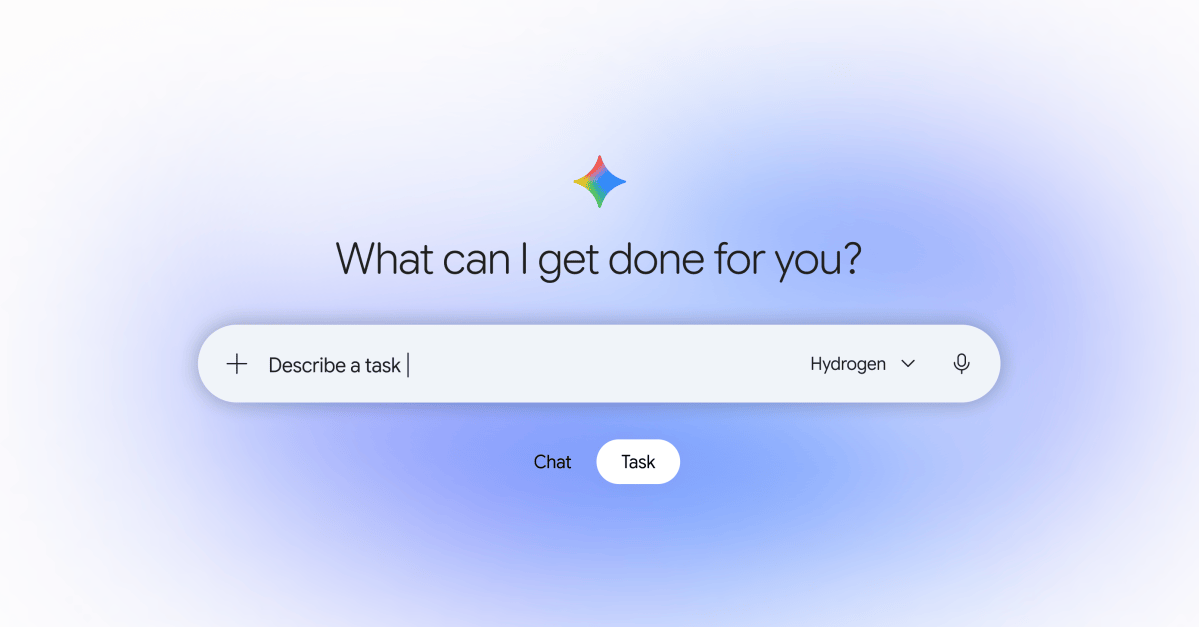
Originally launched in May as a premium feature for Google AI Pro and Ultra subscribers, Tasks is now available in the US, Canada, Japan, Korea, Australia and India. Users simply open Gemini and toggle the homepage switch from “Chat” to “Tasks” to activate it.
Google says Gemini executes tasks in a hardware‑isolated virtual machine dedicated to each account and never shared with others. For sensitive actions such as purchases, the assistant pauses and asks for user confirmation before proceeding.
Tasks joins a growing list of agentic AI tools, including Claude Duet, OpenAI’s Dots and Meta’s Muse, highlighting a shift from purely conversational models to ones that can act on behalf of users in real‑world scenarios.
TechTimes Perspective
TechTimes views Google’s decision to make Tasks free and widely available as a strategic move to solidify its lead in the emerging agentic AI market, where rivals such as OpenAI and Meta are also launching actionable assistants. The integration of purchasing and business‑call capabilities could deepen Google Pay’s ecosystem and drive broader consumer adoption. Maintaining strong privacy safeguards will be crucial for user trust, and the feature’s success may push the industry toward more practical AI applications that go beyond answering questions.