


Every year, the GPU Technology Conference hosted by NVIDIA serves as a bellwether for the future of computing. But the latest edition of NVIDIA GTC in 2026 felt different.
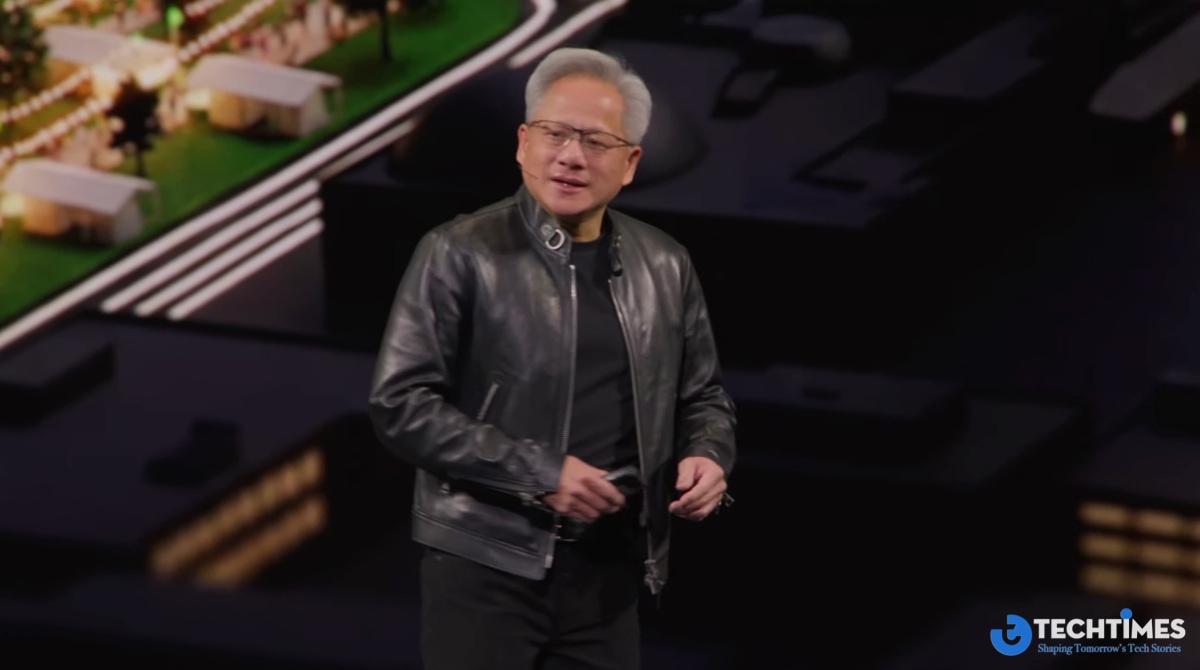
Instead of focusing solely on faster chips or incremental performance improvements, CEO Jensen Huang laid out a sweeping vision for the next phase of artificial intelligence—one that spans AI factories, autonomous agents, robotics, and even space-based computing.
The keynote suggested that AI is no longer a feature layered on top of software. Instead, it is becoming the operating layer of modern infrastructure, reshaping how data centers, enterprises, and entire industries operate.
The Inflection Point: From Training to Inference and Reasoning
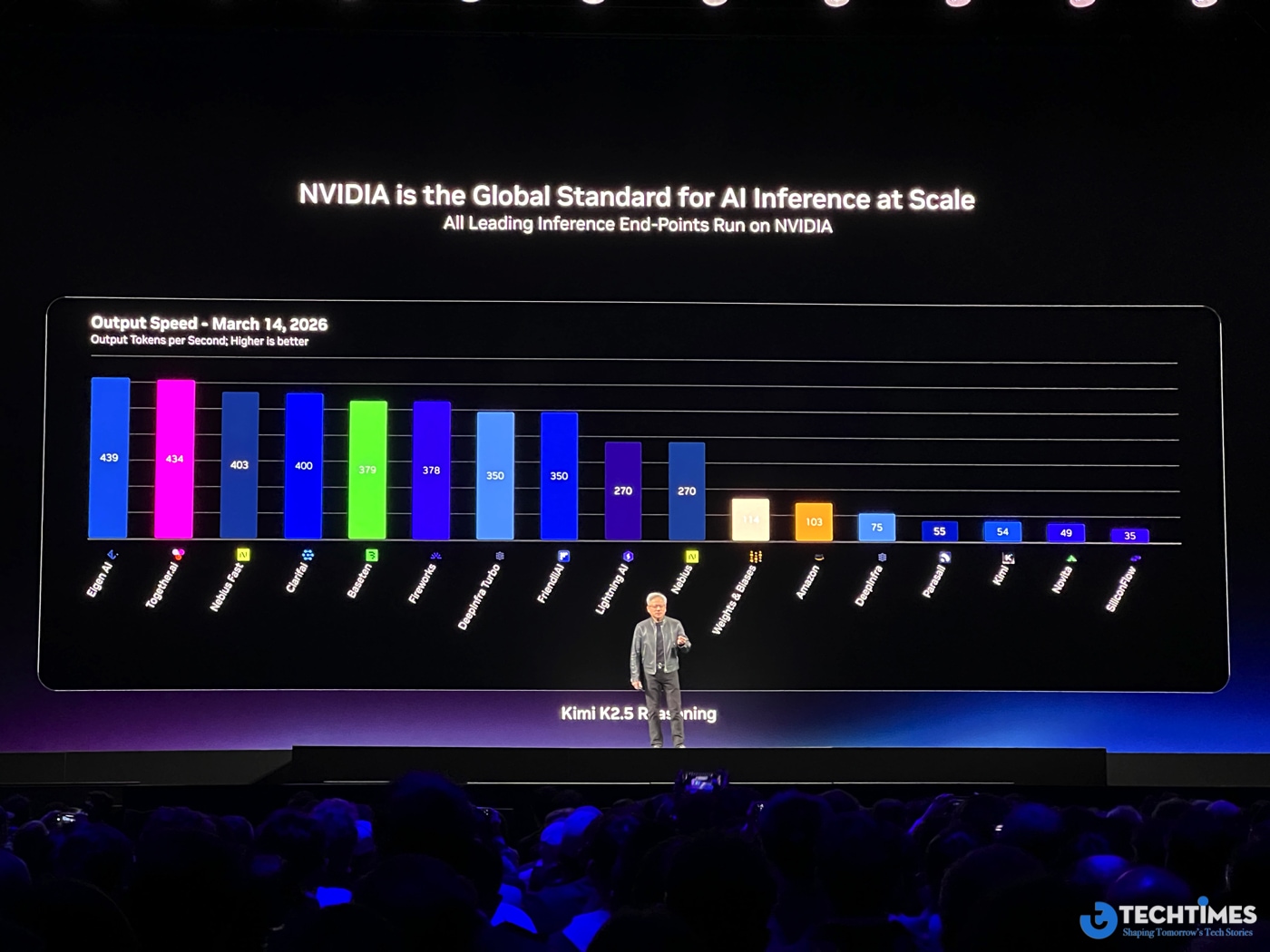
For the past decade, the AI industry has focused on training large models—massive systems built using trillions of parameters and trained on vast datasets. But according to Jensen Huang, the industry is now entering a new phase driven by inference, the stage where AI generates results for real-world applications.
This shift is significant. Each time a user queries an AI assistant, generates an image, or runs an AI-powered workflow, the system performs inference computations. As these interactions scale to billions of users, the demand for compute grows dramatically.
The trend becomes even more pronounced with the rise of reasoning models, which break problems into multiple steps before delivering an answer. These models require far more compute than earlier generative systems because each response may involve multiple passes of inference.
The result, Huang argues, is a new economic model built around tokens, the units of data AI systems process when generating responses. As enterprises scale their use of AI, the ability to produce and manage tokens efficiently becomes a core capability.
This is where NVIDIA’s concept of the AI factory comes in.
The Rise of AI Factories
Perhaps the most important idea introduced at GTC 2026 is the notion that data centers are evolving into AI factories.
In traditional IT environments, data centers primarily store and process enterprise information. In an AI factory, however, the primary output is intelligence itself—measured in tokens, models, and AI-generated insights.
These facilities are designed from the ground up for AI workloads, combining GPUs, CPUs, networking, storage, and specialized accelerators into highly integrated systems.
At the center of this strategy is NVIDIA’s roadmap from current architectures like Blackwell toward next-generation systems such as the Vera Rubin platform, which integrates multiple specialized chips into a rack-scale supercomputer designed specifically for AI workloads.
This approach reflects a deeper transformation: NVIDIA is no longer positioning itself simply as a chip manufacturer. Instead, the company is building planetary-scale infrastructure for the AI economy.
Agentic AI: When Software Starts Acting on Its Own
Another major theme of the conference was the emergence of agentic AI, a new category of software capable of autonomously performing tasks.
Unlike traditional AI assistants that respond to prompts, AI agents can break down complex goals into smaller tasks, access tools – databases, communicate with other systems and execute workflows independently.

To support this ecosystem, NVIDIA introduced an open framework called OpenClaw, designed to help developers build networks of intelligent agents that can operate securely within enterprise environments.
The implications are profound. In the coming years, businesses may deploy thousands or even millions of AI agents, automating everything from data analysis and customer service to engineering design and logistics planning.
If the internet connected people, agentic AI could connect autonomous software workers.
Physical AI: Bringing Intelligence Into the Real World
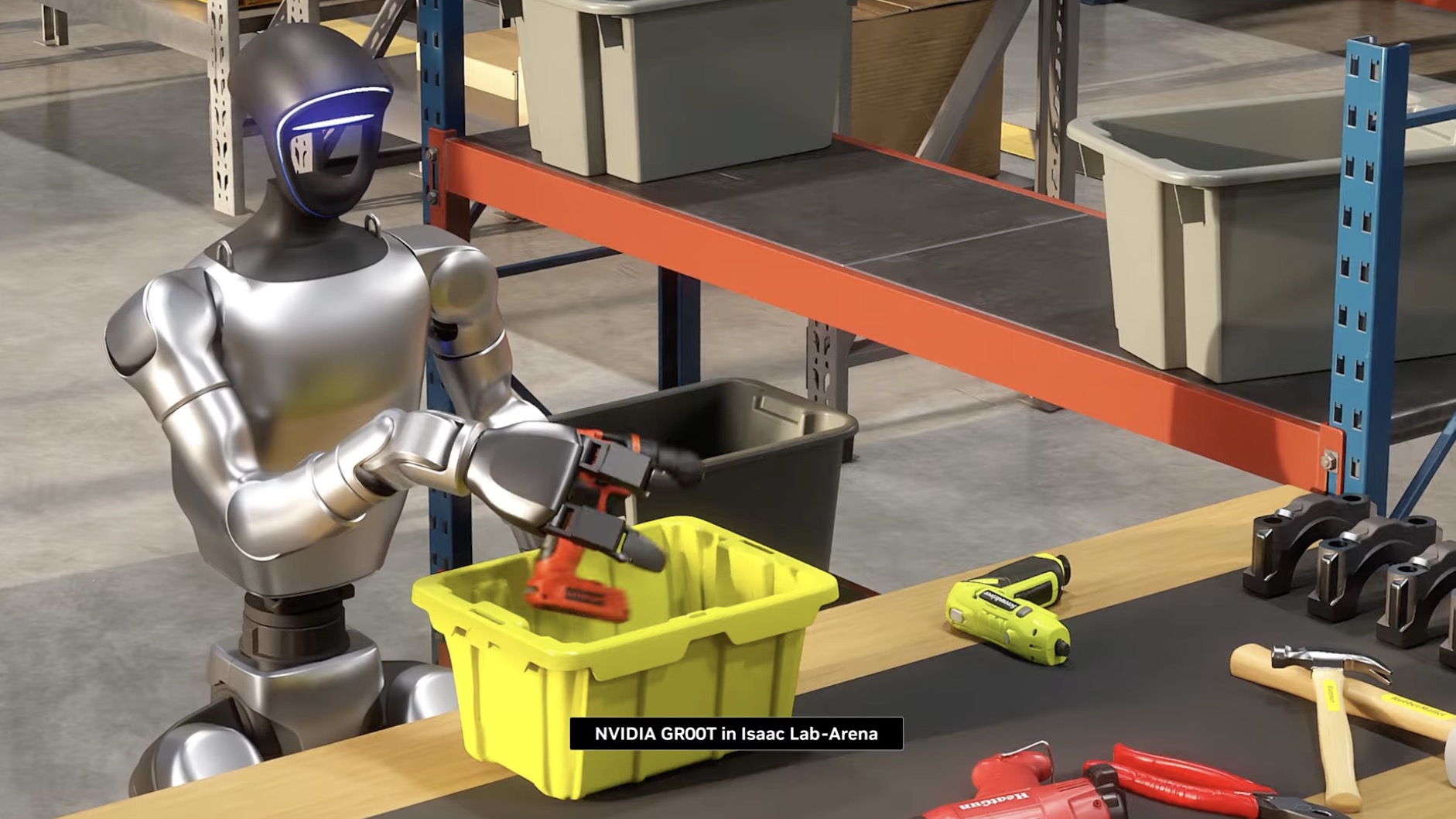
Beyond digital systems, NVIDIA is also pushing into physical AI—the combination of artificial intelligence, robotics, and simulation.
At GTC 2026, more than a hundred robots were demonstrated across industrial, logistics, and entertainment applications, highlighting how AI is moving from virtual environments into physical systems.
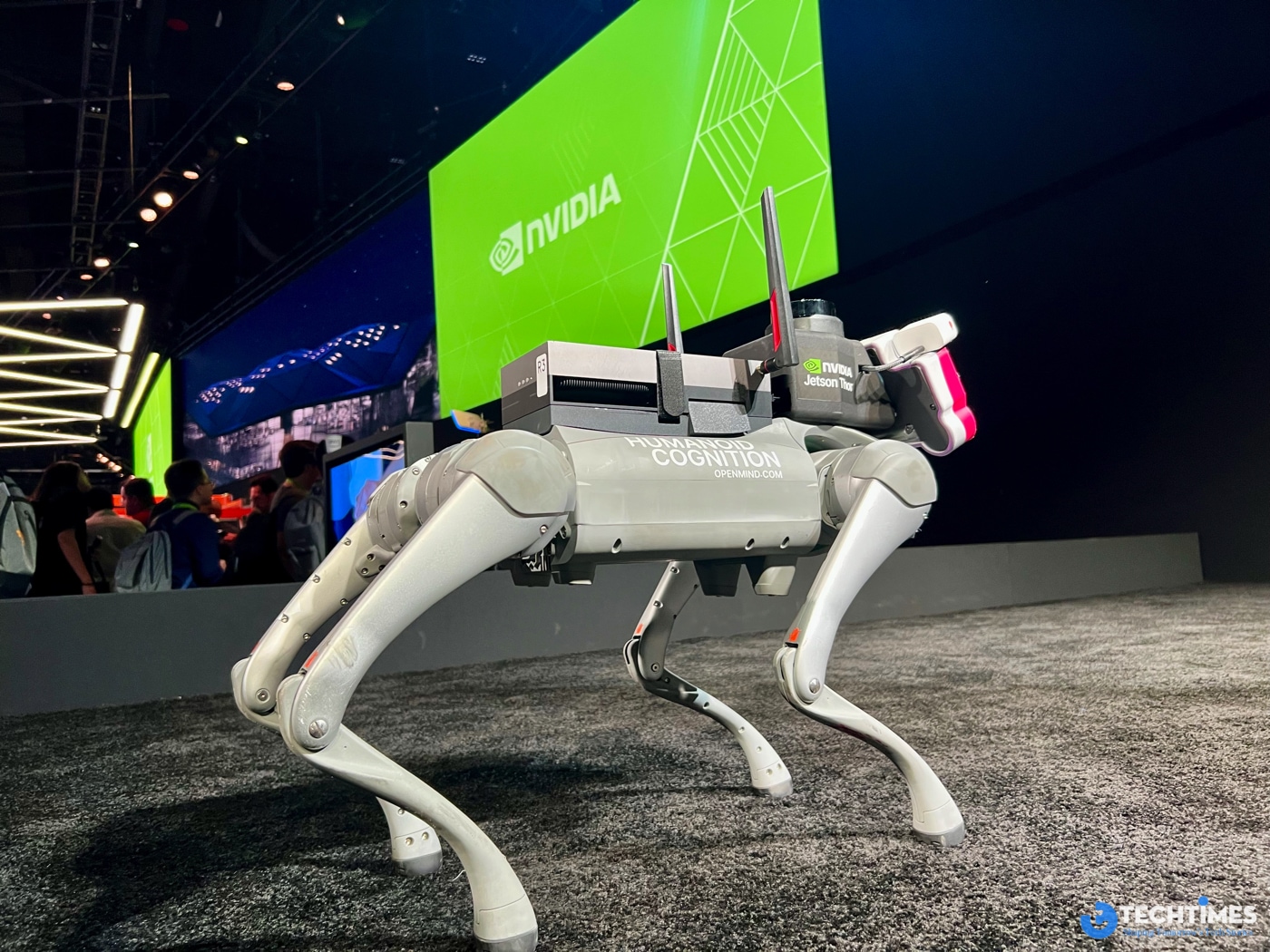
A key challenge in robotics is the lack of real-world training data. Unlike language models that can learn from internet-scale text, robots must understand complex physical environments filled with unpredictable scenarios.
To address this, NVIDIA is investing heavily in simulation-driven training, where robots learn in digital environments before operating in the real world.
This includes digital twin simulations of factories and cities, physics-based training environments, AI world models built from large-scale video data.
The result is a new paradigm where robots can train in millions of simulated scenarios, dramatically accelerating development.
Computing Beyond Earth
One of the more surprising ideas discussed during the keynote was the concept of space-based AI infrastructure.
As AI workloads grow exponentially, traditional data centers face increasing constraints around energy, cooling, and physical space. To explore alternatives, NVIDIA is collaborating with partners on technologies that could enable AI compute platforms operating in orbit.

Such systems could process satellite imagery and scientific data directly in space, reducing the need to transmit enormous volumes of raw data back to Earth.
While still experimental, the idea illustrates how far the company is willing to think about the future of compute infrastructure.
The Economic Stakes: A Trillion-Dollar Compute Market
Underlying all these announcements is a massive economic opportunity.
According to Huang, the demand for AI infrastructure could reach $1 trillion in cumulative spending over the coming years, driven by the expansion of AI factories, enterprise AI systems, and global cloud infrastructure.
Major technology companies and cloud providers are already committing enormous capital to AI infrastructure projects, signaling that the next wave of digital transformation may be even larger than the cloud computing boom of the 2010s.
Insight: NVIDIA Is Redefining What a Technology Company Is
Looking across the announcements at GTC 2026, one insight becomes clear: NVIDIA is redefining its role in the technology industry.
The company’s strategy now spans multiple layers:
- Hardware (GPUs, CPUs, accelerators)
- Software platforms (CUDA, AI frameworks, simulation tools)
- Infrastructure architecture (AI factories)
- Ecosystems (agents, robotics, cloud partners)
This full-stack approach gives NVIDIA enormous leverage in shaping the direction of the AI industry.
In many ways, NVIDIA is attempting something similar to what Intel once achieved in the PC era or what Amazon accomplished with cloud computing—but at a far larger scale.
The Bigger Picture
If the themes of GTC 2026 prove accurate, the next decade of computing will be defined by several structural shifts:
- AI becomes the core workload of global infrastructure
- Data centers evolve into AI factories
- Software transforms into networks of autonomous agents
- Robotics and physical AI move into mainstream deployment
In short, the AI revolution is moving from experimentation to industrialization. And if Jensen Huang’s vision holds, the systems powering that transformation—from GPUs and software stacks to entire data centers—will increasingly bear the NVIDIA logo.