



Motorola's Moto Tag 3 has surfaced on UK and Italian retailer sites in Lucent White and Indigo Blue, priced at £24.96, despite the company not yet confirming the product.
Amazon UK now lists a Moto Tag 3 in Lucent White for £24.96, with a dispatch window of one to four months, indicating a launch that may still be weeks away. The listing notes Ultra‑Wideband (UWB) and Bluetooth connectivity, integration with Google Find Hub, an IP68 dust‑ and water‑resistance rating, and a replaceable CR2032 battery claimed to last more than 500 days.
Android Authority identified additional listings on Italy's InItPC site and Amazon Italy, showing the same device in Indigo Blue and offering a four‑pack option. Both listings reference the same model number, XT2561‑1, which Motorola previously used for the Moto Tag 2 released earlier this year.

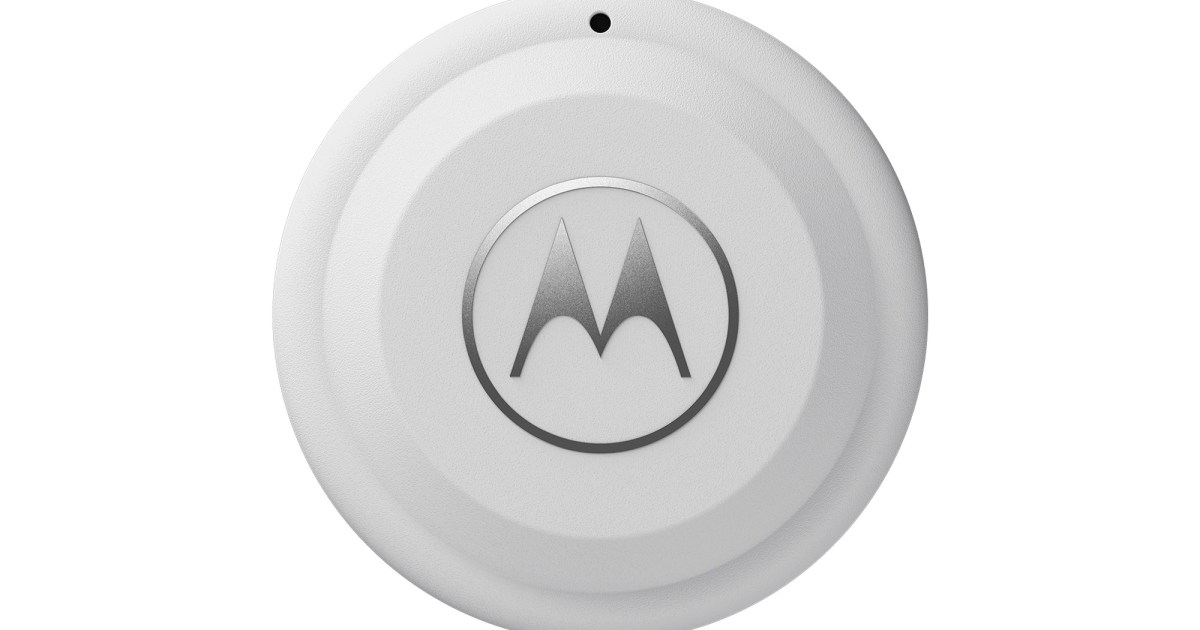
The Moto Tag 2, launched in January and sold in the United States in June, came in Pantone Arabesque orange and Pantone Laurel Oak grey‑green. The reuse of the XT2561‑1 identifier suggests the Moto Tag 3 may be a colour variant of the Tag 2 rather than a fully new generation, though Motorola has not commented.
Both retailer pages highlight built‑in privacy features, including encrypted location data and alerts for unknown trackers. If the listings are accurate, the new colour options could broaden the appeal of Motorola's Bluetooth‑enabled tracking ecosystem ahead of a formal product reveal.

TechTimes Commentary
TechTimes notes that the premature listings point to Motorola testing market response to fresh colour options before a formal launch, a tactic often used to gauge demand without committing to a new hardware revision. The reuse of the Tag 2's model number and identical specifications suggest the device is likely a refresh rather than a next‑gen tracker, which could keep costs low while expanding the Find Hub ecosystem. Should the product reach the U.S. and European markets, consumers may benefit from a broader palette and the same long‑battery life, while retailers gain an early sales window. The approach may also signal Motorola's intent to iterate quickly on its tracker line as competition in the Bluetooth‑UWB segment intensifies.