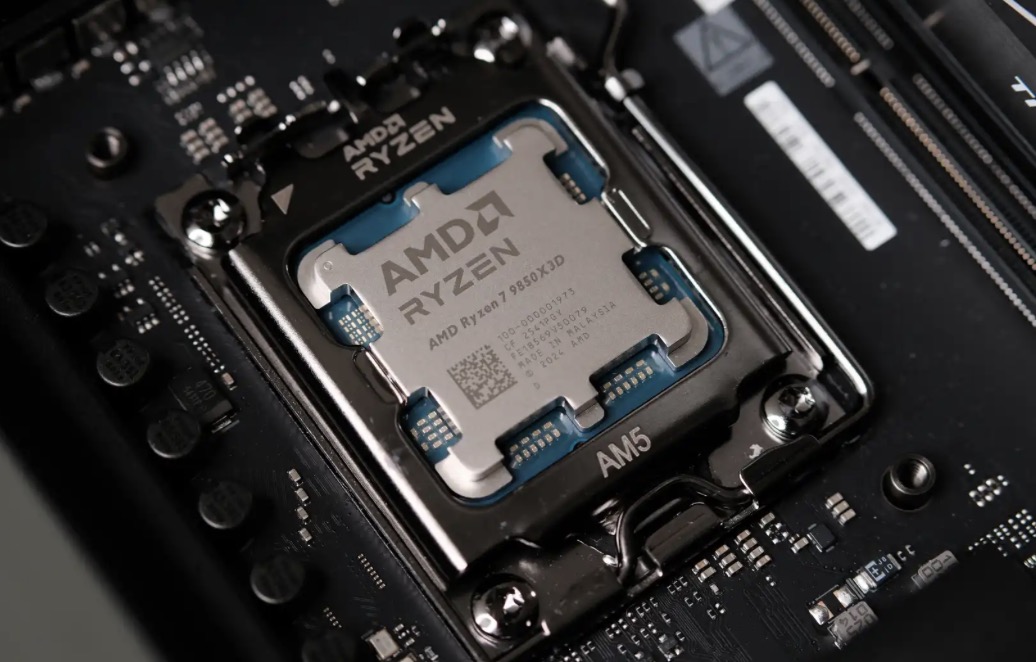




A 28‑core Intel Nova Lake‑S desktop processor listed in OpenBenchmarking shows a 5.2 GHz clock, and a 16‑core Nova Lake‑H mobile chip is reported with a 4.8 GHz boost, while power‑supply maker SilverStone highlights the need for a 1350 W unit.
Intel’s next‑generation Core Ultra Series 4, codenamed Nova Lake, surfaced in two separate leaks. An OpenBenchmarking entry identifies an unnamed “Intel 0000” desktop chip running at 5.2 GHz on a Nova Lake‑S reference board with 32 GB of RAM and Ubuntu 26.04. The listing suggests a possible core mix of eight performance cores, sixteen efficiency cores and four low‑power efficiency cores, though Intel has not confirmed the configuration.
A separate Advantech product sheet details a mobile Nova Lake‑H processor aimed at laptops. The chip reportedly combines eight performance cores, four efficiency cores and four low‑power efficiency cores, reaches a 4.8 GHz maximum clock, and includes 18 MB of L3 cache. It is rated at 25 W TDP, supports DDR5‑8000 memory up to 128 GB, and integrates Intel Arc graphics clocked to 2.3 GHz.

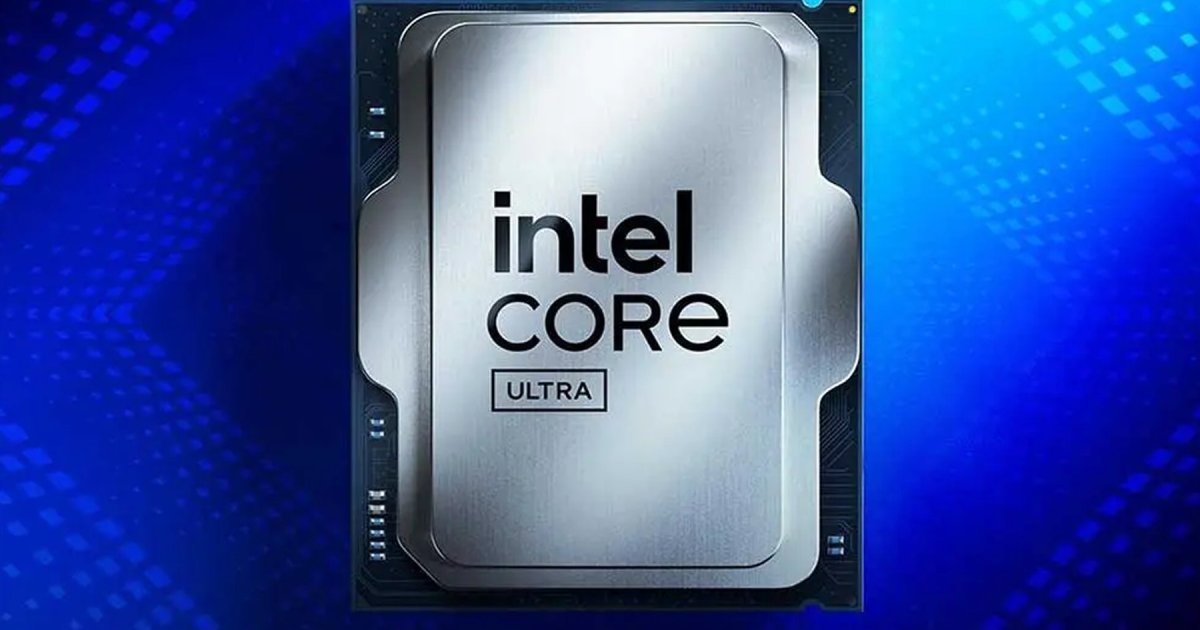
Power delivery appears to be a key challenge. SilverStone’s new HELA 1350Rz 1350 W PSU features three 4+4‑pin CPU connectors and explicitly cites Nova Lake‑S’s high power draw as a design driver. Earlier rumours hinted at a 474 W limit for a future 52‑core Nova Lake‑S variant, underscoring the potential need for robust power solutions even for the 28‑core sample.
Intel has not officially validated any of the specifications or announced a launch timeline. Nonetheless, the combination of high clock speeds, aggressive core counts and notable power requirements suggests Nova Lake could represent a significant shift in Intel’s desktop and mobile CPU strategy.

TechTimes Commentary
TechTimes notes that the Nova Lake leaks point to Intel targeting the high‑performance segment with unprecedented core densities and clock rates. If the 5.2 GHz boost proves sustainable, the chip could challenge AMD’s flagship offerings, but the reported power draw may limit adoption among enthusiasts who prefer efficient platforms. The 25 W TDP mobile variant shows Intel’s effort to balance performance and power for laptops, though real‑world battery life will be a decisive factor. Observers should watch for official specifications and the availability of compatible motherboards and PSUs, as those will determine how quickly the market can integrate Nova Lake into existing ecosystems.