




In his new book “Hyperscale,” journalist Paris Marx argues that the rapid expansion of data centers is environmentally unsustainable and is turning them into a visible target for community backlash.
Paris Marx’s book “Hyperscale” examines how the surge in data‑center construction, driven by generative AI workloads, is colliding with local concerns over energy use, water demand and noise. He describes the build‑out as “fundamentally unsustainable” and “out of line with a livable planet.”
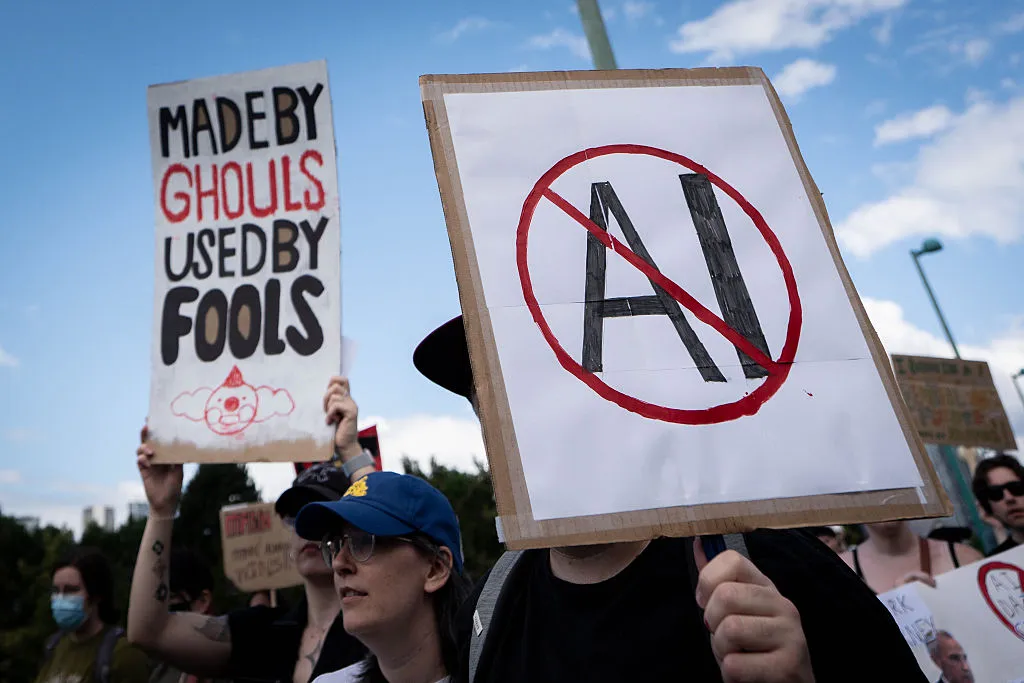
Marx told TechCrunch that opposition to data centers is part of a broader movement against the physical footprint of big‑tech products, from surveillance cameras to smart glasses and autonomous vehicles. He said the impact is felt regardless of political affiliation, affecting power bills, water availability and ambient noise from rooftop air‑conditioning units.

To illustrate his points, Marx gained access to a hyperscale facility in New Zealand after a lengthy vetting process that required submitting his passport and using key‑card access for every locked door. Inside, he found a utilitarian environment: tall server racks, constant cooling airflow and a high level of acoustic noise, contrary to the “sinister” image many imagine.
The author notes that before the generative‑AI boom, researchers could more easily tour data centers, but heightened security and public scrutiny have made entry increasingly difficult. He warns that continued expansion without addressing environmental and community impacts could intensify political resistance, especially as Democrats gain more legislative influence.

TechTimes Commentary
TechTimes believes Marx’s observations highlight a growing tension between the tech industry’s demand for massive compute capacity and the sustainability expectations of communities worldwide. As AI workloads drive ever‑larger facilities, regulators and local groups are likely to push for stricter environmental standards and transparency about resource consumption. Companies may need to invest in greener cooling technologies, renewable power contracts, and more community‑focused siting strategies to mitigate backlash. The trend suggests that future data‑center projects will face heightened scrutiny, potentially slowing expansion timelines and increasing costs for providers.