



Connecticut will enable residents to store driver’s licenses and state IDs in Apple Wallet on iPhone and Apple Watch, with rollout targeted for August 2027.
The state’s Department of Motor Vehicles announced that a digital version of driver’s licenses and state IDs will be available through Apple Wallet starting in 2027. The feature will let users tap their iPhone or Apple Watch at TSA checkpoints, participating merchants and supported apps to prove identity or age.
Connecticut released a standalone mobile ID app for iOS and Android earlier this year, and its developer IDEMIA said integration with Apple Wallet, Google Wallet and Samsung Wallet is “coming soon.” Governor Ned Lamont’s office set an August 2027 deadline for the three major digital wallets to support the state’s IDs.

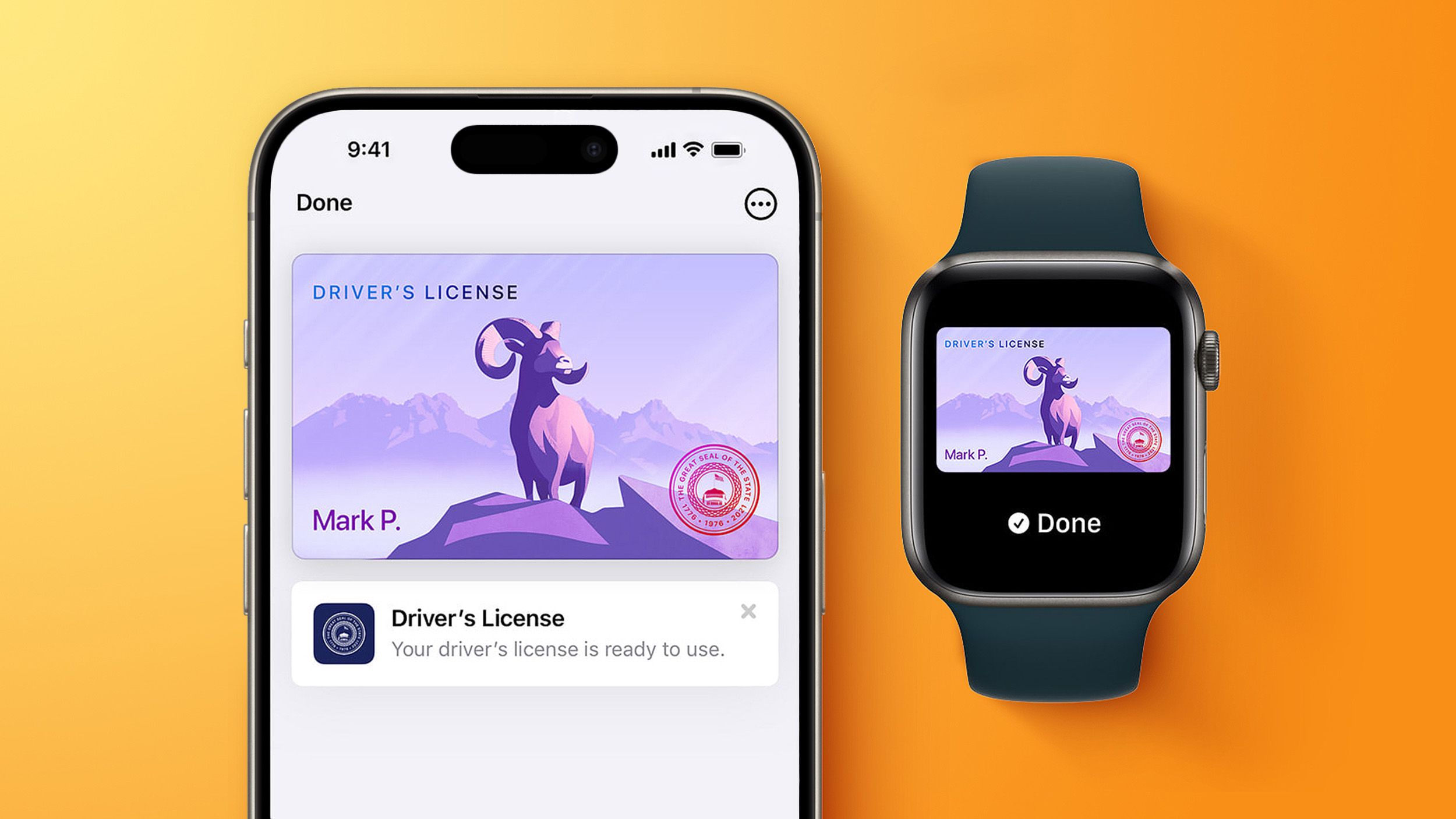
Apple first announced a partnership with Connecticut in September 2021, but implementation stalled for more than five years. The new timeline aligns Connecticut with 16 other U.S. states that already offer Apple Wallet IDs, including Arizona, California and Virginia, as well as Puerto Rico and Japan’s My Number Card.
To add a license, users open Wallet, tap the plus sign, select Driver’s License and ID Cards, choose Connecticut, and follow on‑screen prompts. Presentation requires Face ID or Touch ID authentication, after which only the requested data is released to the reader, preserving privacy.
Apple reports that its digital IDs are accepted at TSA checkpoints in more than 250 U.S. airports, but law‑enforcement agencies generally do not accept them. Drivers must still carry a physical ID for traffic stops, and acceptance by merchants remains limited.

TechTimes Commentary
TechTimes notes that Connecticut’s adoption of Apple Wallet IDs marks a significant step toward broader digital‑identity ecosystems in the United States. While the August 2027 target aligns the state with early adopters, limited acceptance at law‑enforcement checkpoints and merchants may curb immediate utility. However, the integration could accelerate nationwide adoption as travelers encounter the feature at TSA lanes, potentially prompting other states to fast‑track similar rollouts.