



South Korea's Fair Trade Commission has opened a formal probe into Apple’s iPhone 16 advertising, alleging the company misrepresented the rollout of Apple Intelligence features such as Genmoji, Image Playground and Siri’s personal‑context capabilities.
The Fair Trade Commission (FTC) referred Apple and its Korean subsidiary to a review after finding that several AI‑driven features promoted for the iPhone 16 were not available as advertised. The FTC’s report cites Genmoji, Image Playground and Siri’s contextual awareness as examples where promised functionality was delayed.
According to the commission, Siri’s personal‑context capabilities were marketed for Korean users in early April 2025, yet the feature only launched in October 2026, roughly 18 months later. The FTC is examining whether Apple provided clear explanations about phased rollouts and the timing of future updates.

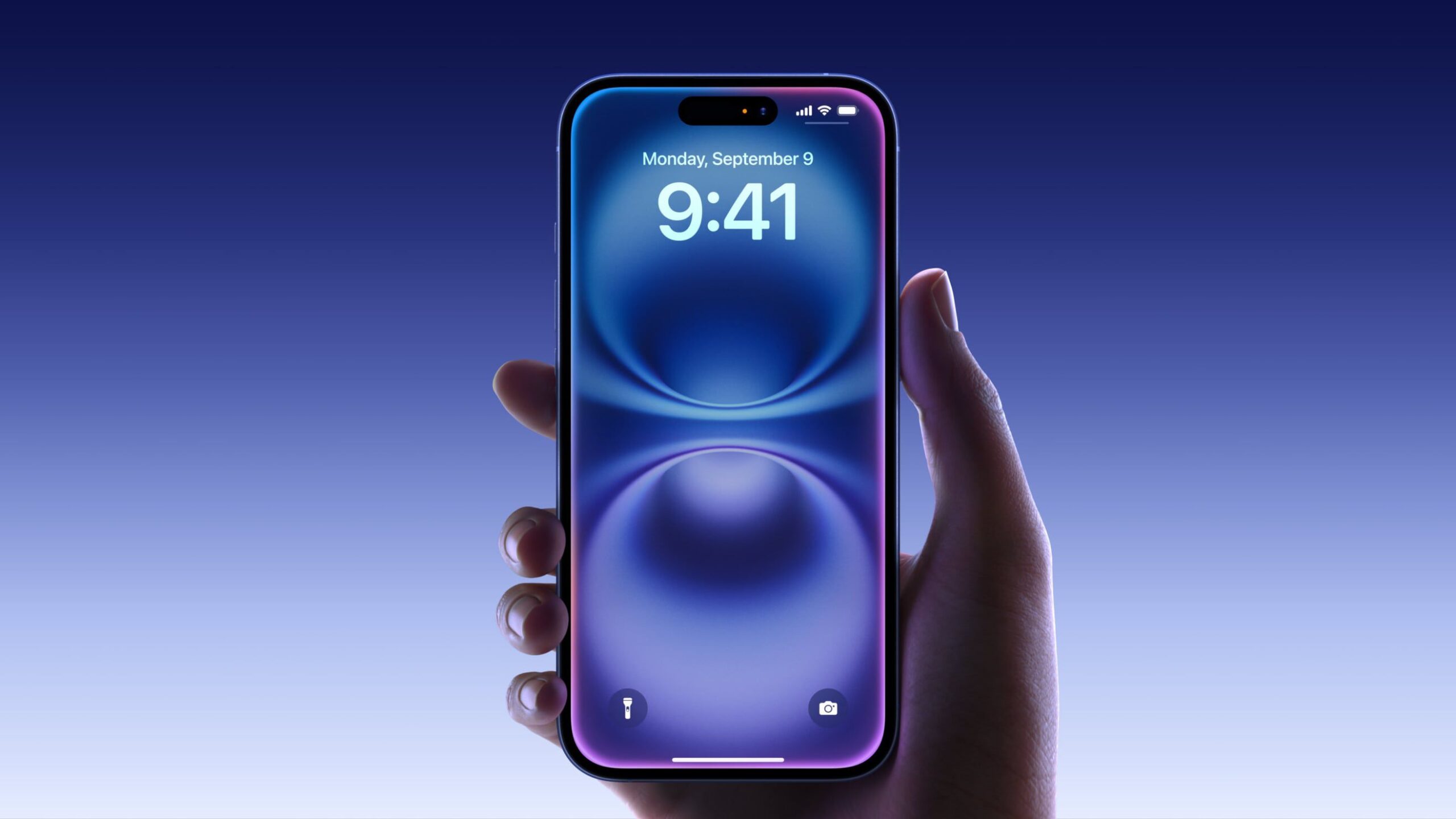
Apple responded that it values Korean customers and highlighted the addition of Korean language support for Apple Intelligence last year, as well as a recent launch of a new Siri AI version. The company said it is cooperating with the investigation, disagrees with the examiner’s conclusions, and will present a full defense before the commission.
The Korean inquiry follows similar challenges in other markets. In April 2025, Apple removed an “available now” claim from its Apple Intelligence page after a U.S. advertising watchdog found the wording misleading. Apple also settled a U.S. class‑action lawsuit in May 2026 for $250 million over comparable allegations tied to the iPhone 16 launch.
The FTC has not issued a final ruling or penalty at this stage. The outcome could influence how Apple structures future AI feature disclosures globally, especially as it expands Korean language support across its ecosystem.

TechTimes Commentary
TechTimes notes that the Korean probe underscores growing regulatory scrutiny of AI‑driven product claims worldwide. Apple’s staggered rollout of Apple Intelligence features may force the company to adopt clearer, region‑specific timelines to avoid similar investigations. While the case is still pending, a adverse ruling could compel Apple to adjust its marketing language and potentially offer compensatory measures to affected Korean users. The broader industry may watch closely, as other manufacturers also rely on phased AI feature releases, making transparent communication a competitive necessity.