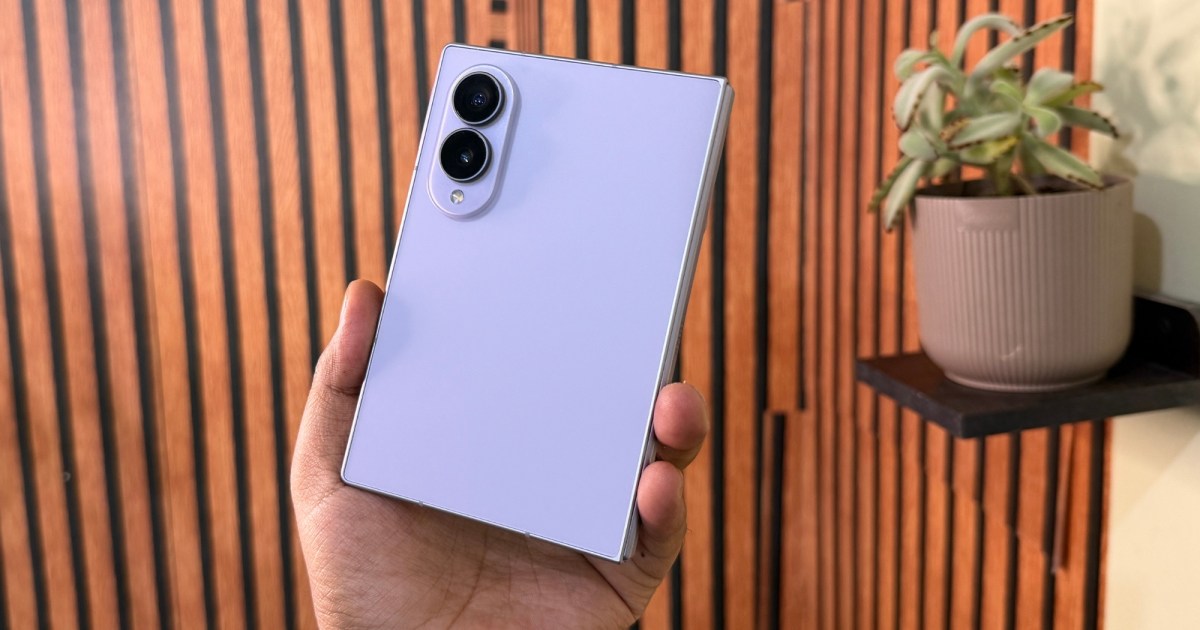




Samsung is reportedly working on a successor to the original Galaxy Z TriFold, codenamed Q9m, with a tentative summer 2027 release window that could align with the Galaxy Z Fold 9 lineup.
According to a report from GalaxyClub, Samsung’s next foldable will carry the internal codename Q9m and is positioned as the follow‑up to the first Galaxy Z TriFold, which used the Q7m identifier. The naming scheme mirrors Samsung’s recent practice, where the Galaxy Z Fold 7 was known as Q7 and the upcoming Fold 9 is expected to be Q9.
The new TriFold is expected to launch in the summer of 2027, potentially alongside the Galaxy Z Fold 9 series. Samsung has not confirmed the exact timing, and the device may initially be limited to select markets, echoing the rollout strategy of earlier foldable models.

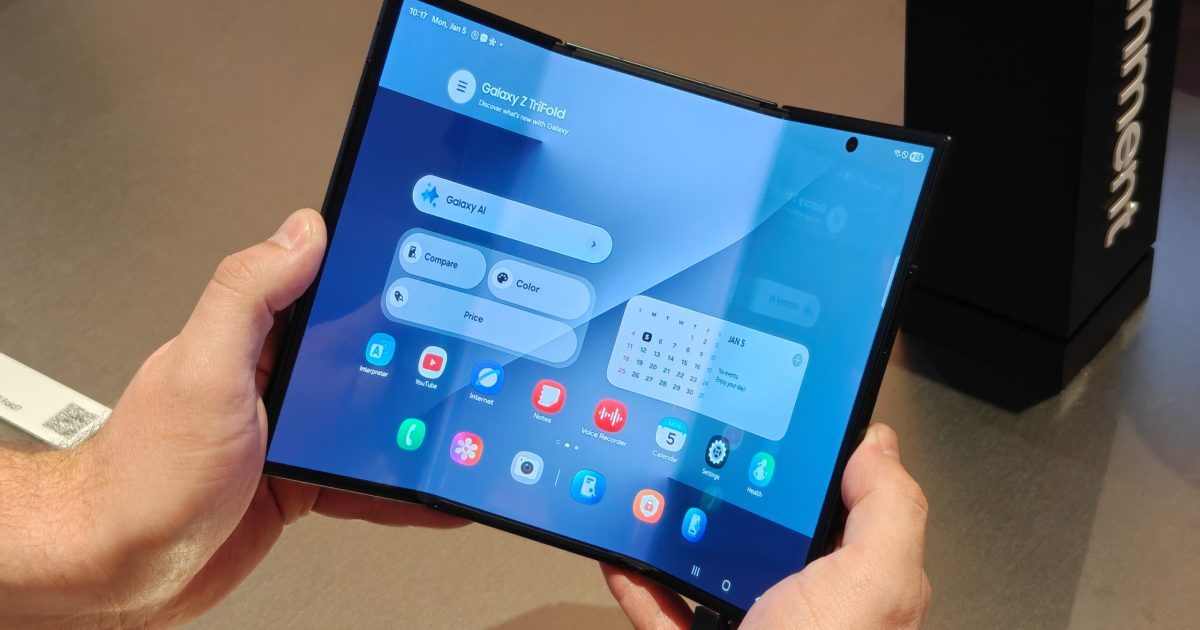
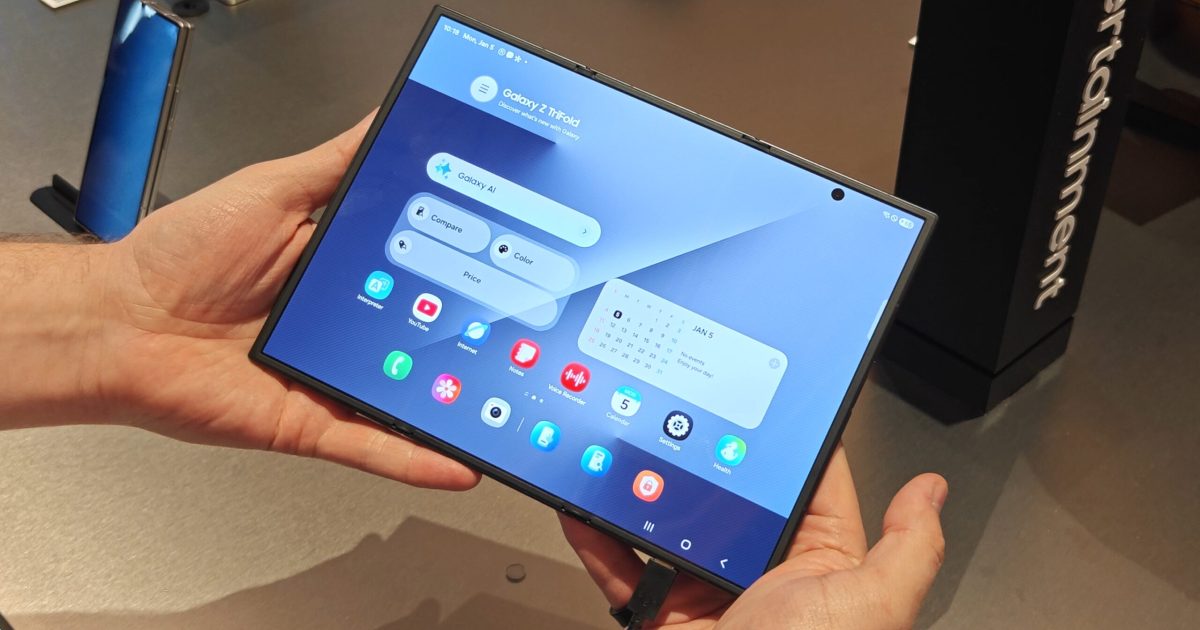
When unfolded, the TriFold would offer a roughly 10‑inch display with an almost 4:3 aspect ratio, providing a tablet‑like experience that many users find more suitable for reading, browsing and multitasking than the narrower screens of current foldables. The form factor aims to combine a conventional smartphone footprint with a full‑size tablet screen.
The original Galaxy Z TriFold suffered from several reliability problems, including inner‑display failures, unresponsive screens, visual artifacts, and app glitches that triggered cropping or rotation issues when folding. Its bulkier chassis, high price and limited availability also hindered broader adoption, challenges Samsung will need to address in the next iteration.
If Samsung can resolve those durability concerns while delivering a refined software experience, the TriFold could broaden the appeal of large‑screen foldables and reinforce Samsung’s leadership in the segment, especially as competitors such as Apple intensify interest with devices like the iPhone Duo.

TechTimes Commentary
TechTimes believes Samsung’s renewed focus on a TriFold design reflects a strategic bet that a true tablet‑sized foldable can capture a niche yet growing market. By targeting a 10‑inch, near‑4:3 display, Samsung aims to differentiate its offering from slimmer foldables and address consumer demand for a versatile, productivity‑oriented device. Success will hinge on fixing the original model’s durability issues and delivering a price point that justifies the premium form factor. If the TriFold arrives as rumored in mid‑2027, it could set a new benchmark for large‑screen foldables and pressure rivals to explore similar form factors.