



U.S. intelligence and Microsoft officials say the recent wave of high‑profile service disruptions signals that more major tech outages are likely in the coming months.
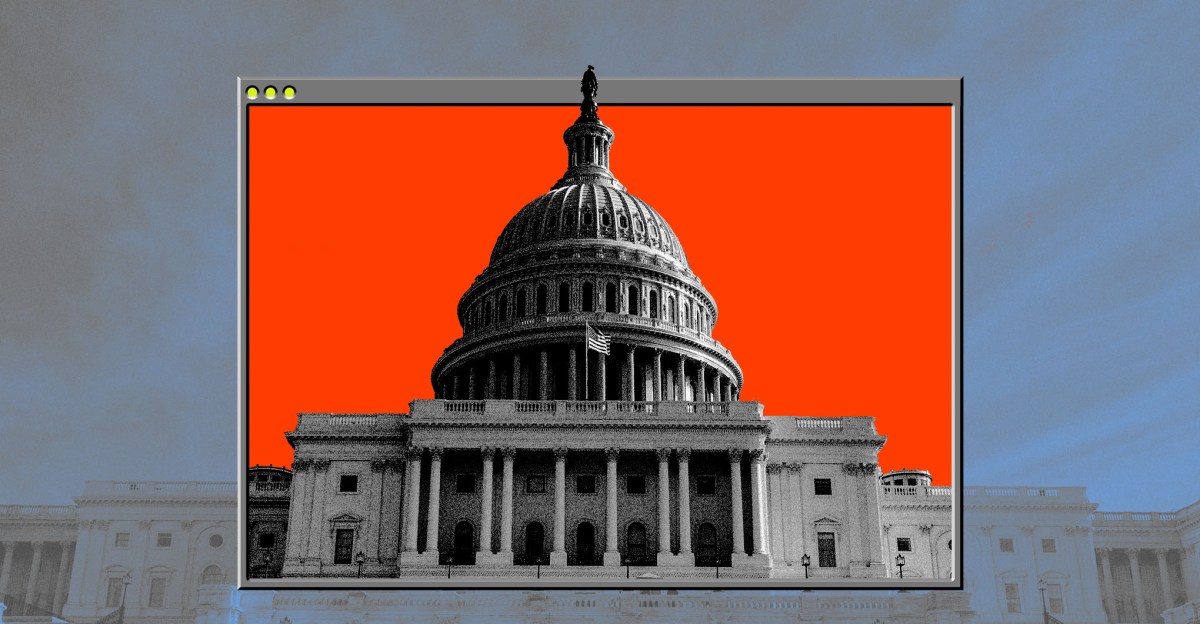
Director of National Intelligence Jay Clayton told CNN that the United States must invest heavily in system upgrades and cybersecurity, warning that any major shift in compute and applications will bring "bumps in the road." The comment follows a series of high‑impact failures, including a nationwide FAA ground stop, a multi‑day Outlook outage that halted corporate operations, and a banking disruption at JPMorgan Chase.
Microsoft President Brad Smith echoed the warning on CBS News’ Face the Nation, describing the situation as a prolonged challenge rather than a short‑term fix. Smith said the global information infrastructure is undergoing a massive upgrade, and the pace of change makes it vulnerable to both technical errors and malicious exploitation.


While the recent incidents have not been linked to cyberattacks, Smith noted that artificial intelligence makes it easier to discover software flaws. He cautioned that the same tools could be used by bad actors to breach systems, adding that recent months have seen a rise in attacks on government and commercial networks, including the USDA, JP Morgan, and major retailers.
Both officials agreed that the combination of aging infrastructure, rapid technology adoption, and AI‑enabled threat vectors creates a perfect storm for future disruptions. They urged businesses and the public to prepare for continued outages as critical services are modernised.

TechTimes Commentary
TechTimes believes the warnings from U.S. intelligence and Microsoft highlight a systemic risk as legacy systems are replaced by AI‑driven platforms. The convergence of faster compute, complex applications and sophisticated hacking tools could increase outage frequency worldwide. Companies may need to allocate more budget to resilience and redundancy, while regulators could push for stricter standards on critical‑infrastructure upgrades. Observers are likely to watch how the U.S. government balances investment in security with the rapid rollout of new technologies, a dynamic that may set a precedent for other markets.