



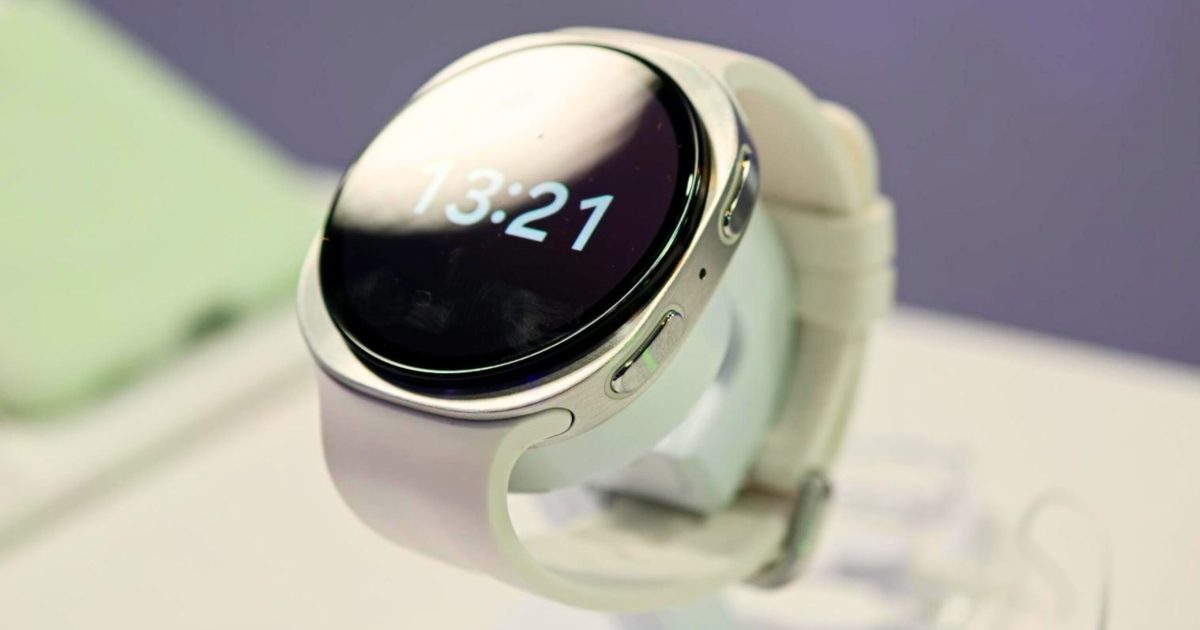
Samsung's Mobile eXperience division announced it will not launch a new Galaxy Watch in 2027, shifting to a two‑year release cadence as component prices rise and the Galaxy Watch 9 receives mixed reviews.
Samsung's MX unit confirmed that the company will skip a dedicated Galaxy Watch refresh for 2027, opting instead for a two‑year product cycle. The decision follows a report from ETNews citing cost pressures on memory and application processors, a trend the firm describes as "chipflation."
The move marks the first year since the brand's 2018 debut that Samsung will not issue a new smartwatch. Analysts note that the Galaxy Watch 9 has garnered a lukewarm market response, prompting the company to focus on software updates and health‑feature enhancements for existing models, including the Watch Ultra.

In parallel, Samsung plans to launch an updated Galaxy Fit fitness band, a lower‑priced wearable with a rectangular display. The company also announced a roughly 20% cut in production of budget‑focused Galaxy A smartphones this quarter and a price increase for the upcoming Galaxy S27 series.
For the S27 lineup, Samsung intends to allocate about 70% of output to the higher‑margin Pro and Ultra variants, mirroring a strategy previously adopted by Apple. The shift underscores Samsung's emphasis on profitability and cost optimization across its consumer electronics portfolio.

TechTimes Commentary
TechTimes believes Samsung's decision to pause Galaxy Watch releases reflects broader industry pressures from rising component costs and the difficulty of delivering breakthrough health sensors. By extending the smartwatch cycle, Samsung can allocate resources to software-driven health features while preserving margins. The move may also signal a more cautious approach to wearable innovation, potentially delaying the rollout of advanced biosensing technologies. Globally, the shift aligns with a trend toward fewer, higher‑margin devices, and could influence competitors to reassess their own release cadences.