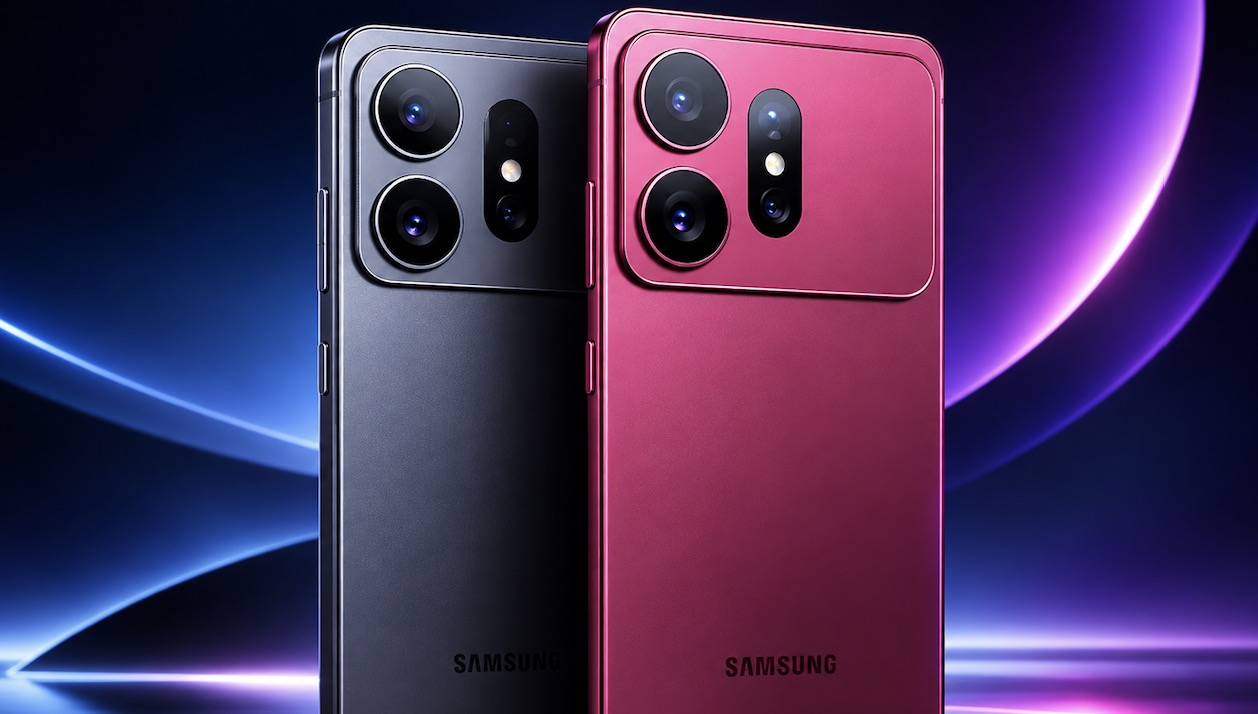






Samsung’s Galaxy S26 Ultra offers a more balanced flagship experience than Motorola Signature 27, thanks to Privacy Display, the S Pen, DeX productivity and a $300 lower price tag.
Motorola Signature 27 advertises a peak brightness of 12,000 nits, but that figure is only reachable in very specific HDR scenarios and does not reflect everyday usage. Reports suggest the extreme brightness appears for a few seconds under controlled lighting.
Samsung counters with Privacy Display, a feature that can dim or completely mask the screen when selected apps are active. The technology slightly reduces overall brightness and contrast, but it protects banking details and messages from prying eyes in public spaces.


The 12,000‑nit claim for the Signature 27 is largely theoretical; the device typically tops out around 1,500 nits in normal conditions, which is still ample for outdoor reading. Galaxy S26 Ultra’s 1,500‑nit peak is more realistic and sufficient for daily tasks.
Signature 27 packs a 7,000 mAh silicon‑carbon battery, dwarfing the 5,000 mAh cell inside Galaxy S26 Ultra. Motorola says it can charge from 0 % to 100 % in 52 minutes, while Samsung claims a 45‑minute charge for its Ultra model.
The larger battery adds weight, bringing the Motorola device to 227 g and 8 mm thick, compared with Samsung’s 214 g and 7.9 mm profile. Samsung also includes an S Pen, useful for note‑taking, photo editing and screenshot annotation, although Bluetooth Air Actions are no longer supported.
Motorola’s 52‑minute claim lacks details on the charger’s wattage, while Samsung’s official Super Fast Charging 45 W reaches 50 % in roughly 20 seconds and full charge in 45 minutes. The difference may be marginal in practice, but Samsung’s technology is documented.
Samsung DeX turns the Galaxy S26 Ultra into a pocket PC, allowing connection to external displays via USB‑C‑HDMI or wirelessly. Users gain multi‑window, copy‑paste and multi‑desktop capabilities, even using the phone as a lightweight gaming PC with GameNative.
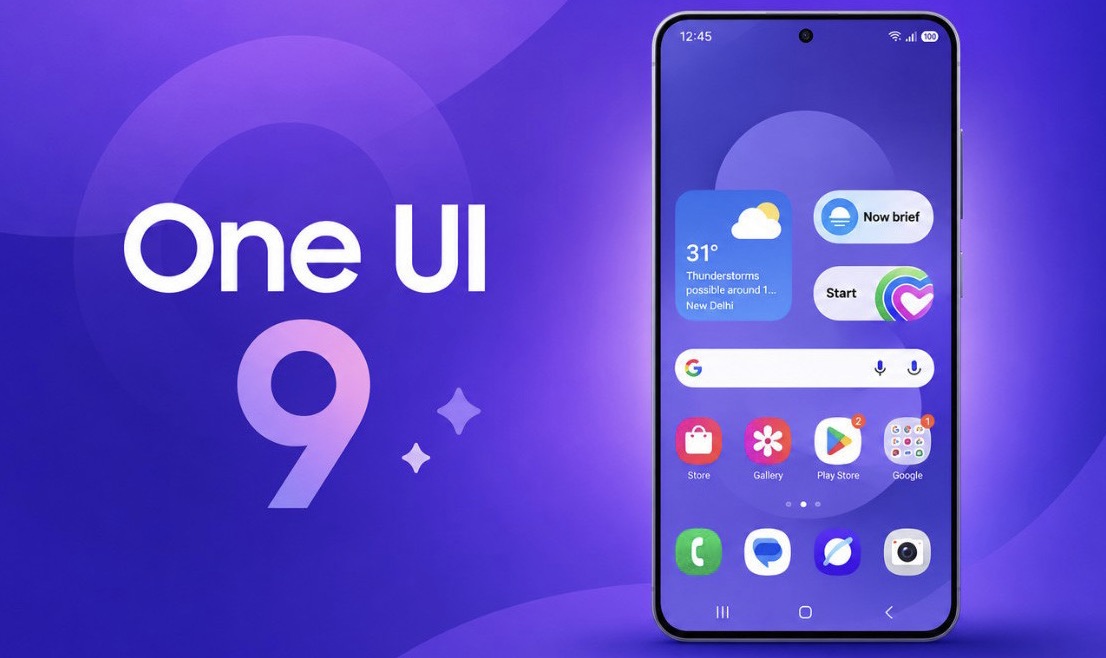
Motorola’s counterpart, Smart Connect, works only with select Motorola and Lenovo laptops, requiring deeper ecosystem lock‑in and offering fewer cross‑device benefits. Samsung also offers the Good Lock suite, which provides extensive UI tweaks such as LockStar, One Hand Operation+, Sound Assistant and Camera Assistant.
Good Lock delivers more than ten modules for lock‑screen layout, gesture control, audio and camera fine‑tuning, whereas Motorola’s Moto Gestures cover a narrower set of options. This gives Samsung power users a richer toolbox for personalising One UI.
Both flagships promise seven years of OS upgrades and security patches, but Samsung has a proven track record of rapid rollout and monthly security updates on One UI. Motorola is still building credibility in this area, with users reporting occasional delays.
Signature 27 starts at $1,599 in the United States, while Galaxy S26 Ultra launches at $1,299, a $300 difference. Samsung’s devices frequently benefit from carrier deals, trade‑in programs and seasonal promotions, which can further narrow the price gap for Vietnamese buyers.
TechTimes Perspective
TechTimes believes the decision to pick Galaxy S26 Ultra over Motorola Signature 27 hinges on more than raw hardware specs. Samsung’s ecosystem—Privacy Display, S Pen, DeX and the Good Lock customization suite—offers tangible productivity and security benefits that resonate with power users. While Motorola leads in battery capacity and a few niche features, its higher price and less consistent update cadence may deter cost‑conscious consumers in Vietnam. With Samsung’s frequent promotions and broader carrier support, the Ultra is likely to capture a larger share of the premium market there.