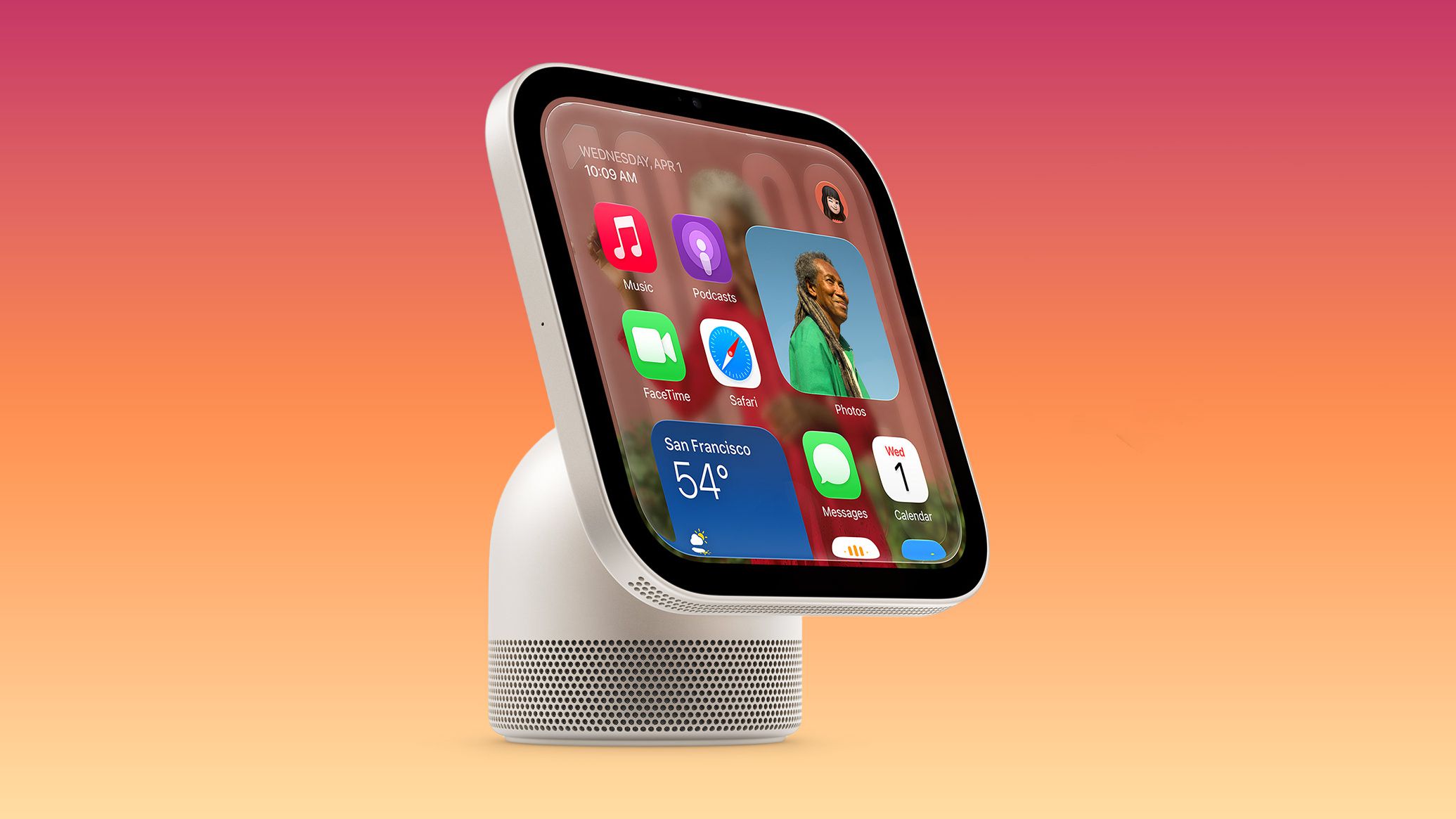






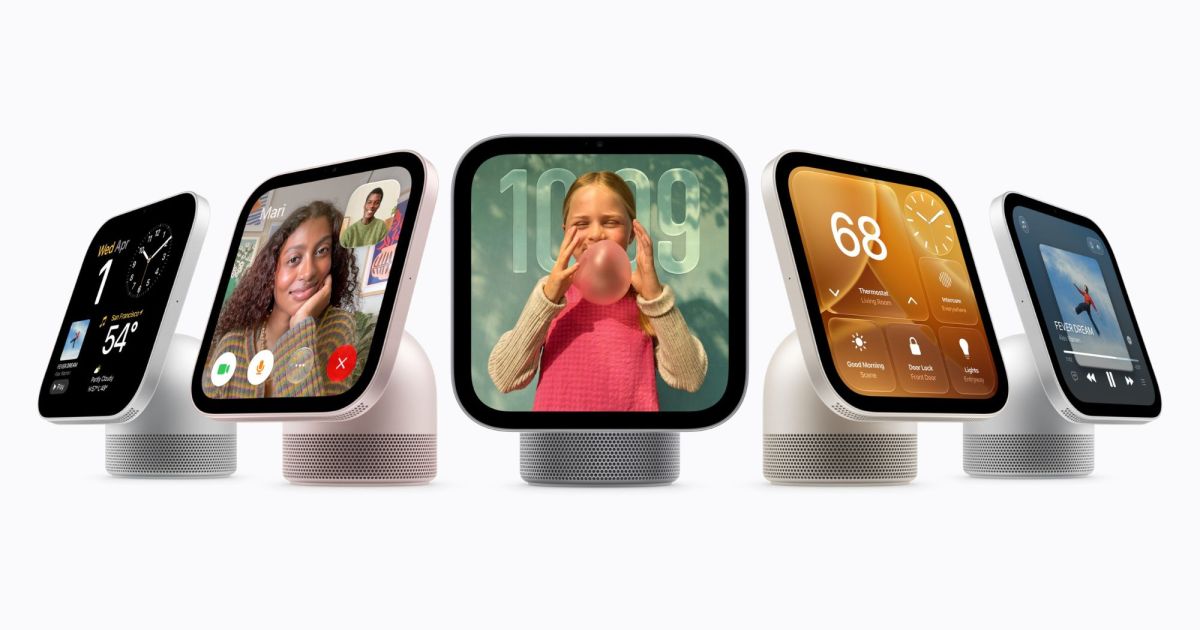
Apple HomeView smart display is now sold in the US, UK, Canada, India, Australia, New Zealand and Singapore for $299, with a wall‑mount version that requires a separate Schneider accessory.
Apple began shipping HomeView a month after its October 13 Welcome Home event, making the 7‑inch Liquid Retina device available through Apple Stores, the website and the Store app.
Both the tabletop and wall‑mounted variants are priced at $299 in the United States, while the latter does not include mounting hardware. Customers must buy a Schneider mount – $59.95 for a USB‑C version or $79.95 for a wired AC bracket – to install the wall model.

A Power‑over‑Ethernet (PoE) version is also listed at $129.95 for the mount, but Apple says that configuration will not ship until early 2027. The product is currently sold in the US, UK, Canada, India, Australia, New Zealand and Singapore; the European Union is excluded because Siri AI is not yet cleared there.
HomeView runs a conversational Siri AI that can answer general‑knowledge questions, control lights, locks and thermostats, display security‑camera feeds, play music and launch FaceTime calls.
A standout capability is multi‑user facial recognition for up to six household members, allowing personalized calendars, messages and reminders to appear on the screen.
Full personal‑context features depend on a nearby iPhone or iPad that supports Apple Intelligence; the paired device must be unlocked and on the same Wi‑Fi network.
Because Siri AI is still in beta, Apple imposes daily usage limits on certain functions and warns that some capabilities may not work consistently across all languages or regions.
Leaks suggest HomeView could eventually act as a standalone security camera, but Apple has not confirmed such a use case. The beta status also means future software updates are likely to expand both AI understanding and integration with the broader Apple ecosystem.
Vietnam was not listed among the initial launch markets, and the EU restriction hints that Siri AI compliance could delay a local release. TechTimes expects Apple to announce a Vietnam rollout only after the AI receives regulatory clearance, possibly in late 2024 or early 2025.
If HomeView reaches Vietnam, its $299 price tag will translate to roughly 7.5 million VND before taxes and import duties, positioning it above most local smart displays from Samsung or Xiaomi but below premium offerings such as the Nest Hub Max.
Vietnamese buyers currently favor devices that integrate with Google Assistant or Amazon Alexa, which are already available at lower price points. Apple’s advantage will be its deep integration with iPhone, iPad and Apple TV, especially for households already invested in the ecosystem.
Local retailers may bundle HomeView with Apple‑compatible accessories, such as HomePod mini speakers or Apple TV, to create a more compelling smart‑home package. Carrier subsidies are unlikely, as Apple typically sells directly through its own channels.
The base tabletop model includes the speaker stand and is sold for $299. The wall‑mounted version carries the same device price but requires a separate mount, adding $59.95 for the USB‑C option or $79.95 for the AC bracket.
For enterprise or advanced users, the PoE mount costs $129.95 and will not be available until early 2027, reflecting Apple’s long‑term plan to support wired network installations.
Apple expects to ship the standard and wall‑mounted models to the listed regions within weeks of the announcement. The PoE variant will follow a phased rollout, beginning in early 2027, according to Apple’s supply‑chain notes.
Consumers in markets not yet supported, including Vietnam, should monitor Apple’s official announcements and local authorized resellers for any changes to the launch schedule.
Key specifications
| Model | Price (USD) | Mount accessory |
|---|---|---|
| Tabletop (silver, starlight, rose pink, space gray) | $299 | Included |
| Wall‑mounted (silver, space gray) | $299 | $59.95 USB‑C or $79.95 AC bracket |
| Wall‑mounted PoE (early 2027) | $299 | $129.95 PoE mount |
TechTimes Perspective
TechTimes believes the HomeView launch underscores Apple’s push to extend its ecosystem into the smart‑home arena, but the beta‑stage Siri AI and regional regulatory hurdles may slow adoption outside core markets. For Vietnam, the likely delay means early adopters will face a premium price once the device finally arrives, and local competitors could consolidate their lead in the meantime. Apple’s strength will lie in seamless hand‑off between iPhone, iPad and HomeView, yet the company must address the AI compliance gap to compete effectively with entrenched Google and Amazon platforms.