



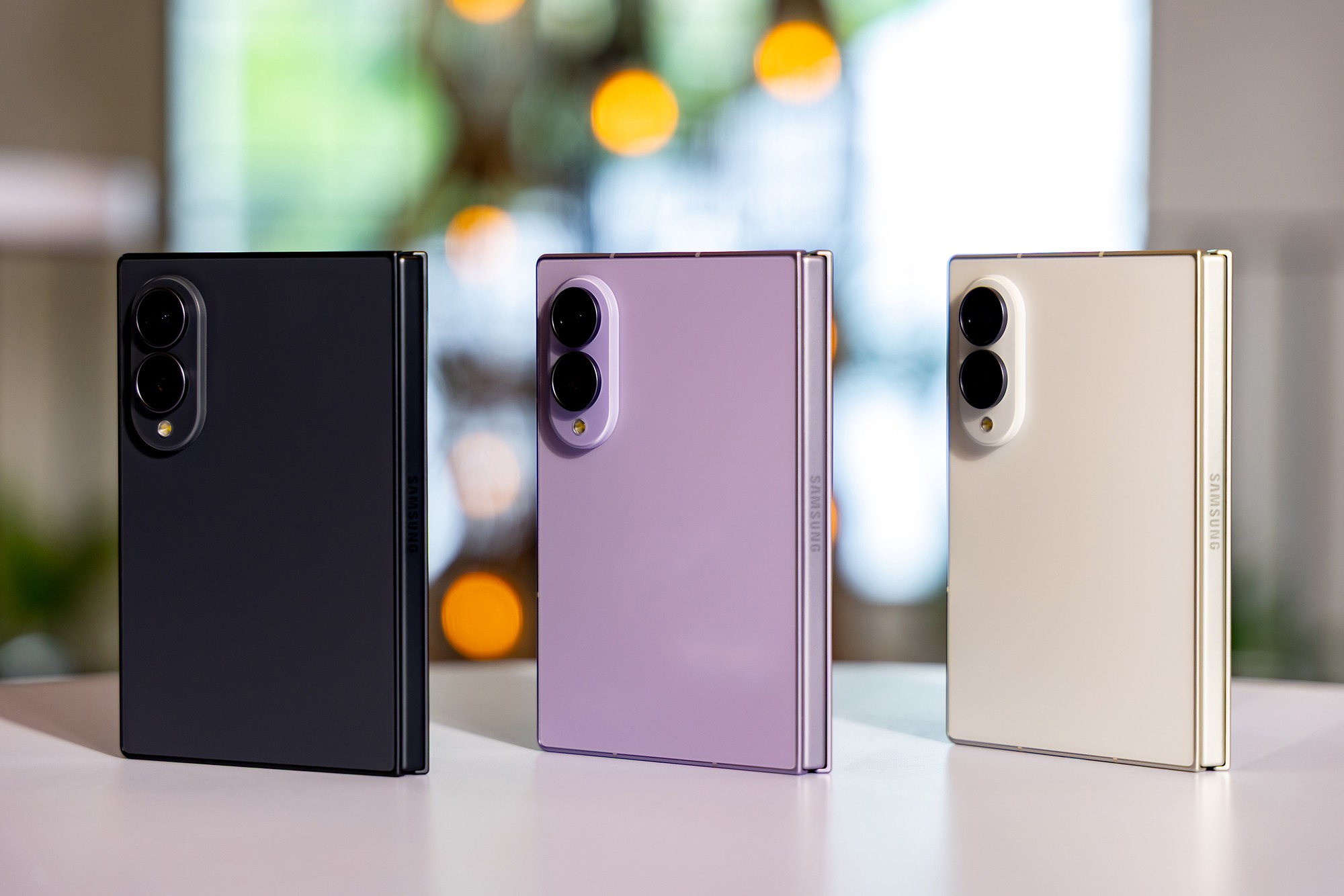
Samsung is using reports of cracked inner displays on Apple’s iPhone Duo to promote the durability of its Galaxy Z Fold 8 series. While the Korean manufacturer highlights eight generations of foldable development, its own history shows that display and hinge reliability have long been challenges for the category.
Samsung appears to be seizing an opportunity to strengthen its position in the foldable smartphone market as Apple faces growing scrutiny over screen cracks affecting some iPhone Duo units. Through regional marketing campaigns and targeted communications with technology reviewers, the company is increasingly positioning its Galaxy Z Fold 8 as a more mature and durable alternative.
Since the iPhone Duo entered the market, some owners have reported cracks developing on its inner folding display. Apple acknowledged the problem in October, describing the affected devices as a “small number” of units. During a subsequent earnings call, CEO John Ternus also characterized the proportion of returned devices with display-related issues as “very small.”

Although some customers have reported receiving replacement devices, Apple has yet to disclose the exact number of affected phones or provide a detailed explanation of what is causing the damage.
The uncertainty has raised questions about long-term reliability and potential repair costs. Estimates suggest that repairing a damaged inner display could cost as much as two-thirds of the phone’s original retail price, making the availability and duration of Apple’s replacement support particularly important for owners.
Samsung has responded with a series of marketing messages that indirectly target Apple’s difficulties. Its regional social media accounts have published advertisements emphasizing the company’s experience with foldable smartphones.
Samsung Canada’s campaign for the Galaxy Z Fold 8, for example, highlights that foldable technology is nothing new to the company before encouraging consumers to switch to Galaxy. Samsung Malaysia has also made references to ongoing discussions about foldable durability, while its Saudi Arabian account used an image resembling a cracked foldable screen before revealing that the apparent damage was simply part of the wallpaper.
Beyond these public-facing campaigns, Samsung has also been emphasizing the engineering experience behind its latest foldable devices. Shortly after Apple’s leadership addressed the iPhone Duo situation, Samsung’s public relations team reportedly distributed comparison points to technology reviewers.
Although the material did not explicitly mention Apple, it highlighted eight generations of foldable development and more than 100 reliability tests. The messaging appeared designed to reinforce confidence in Samsung’s approach to foldable hardware at a time when Apple’s first-generation device is facing questions about durability.
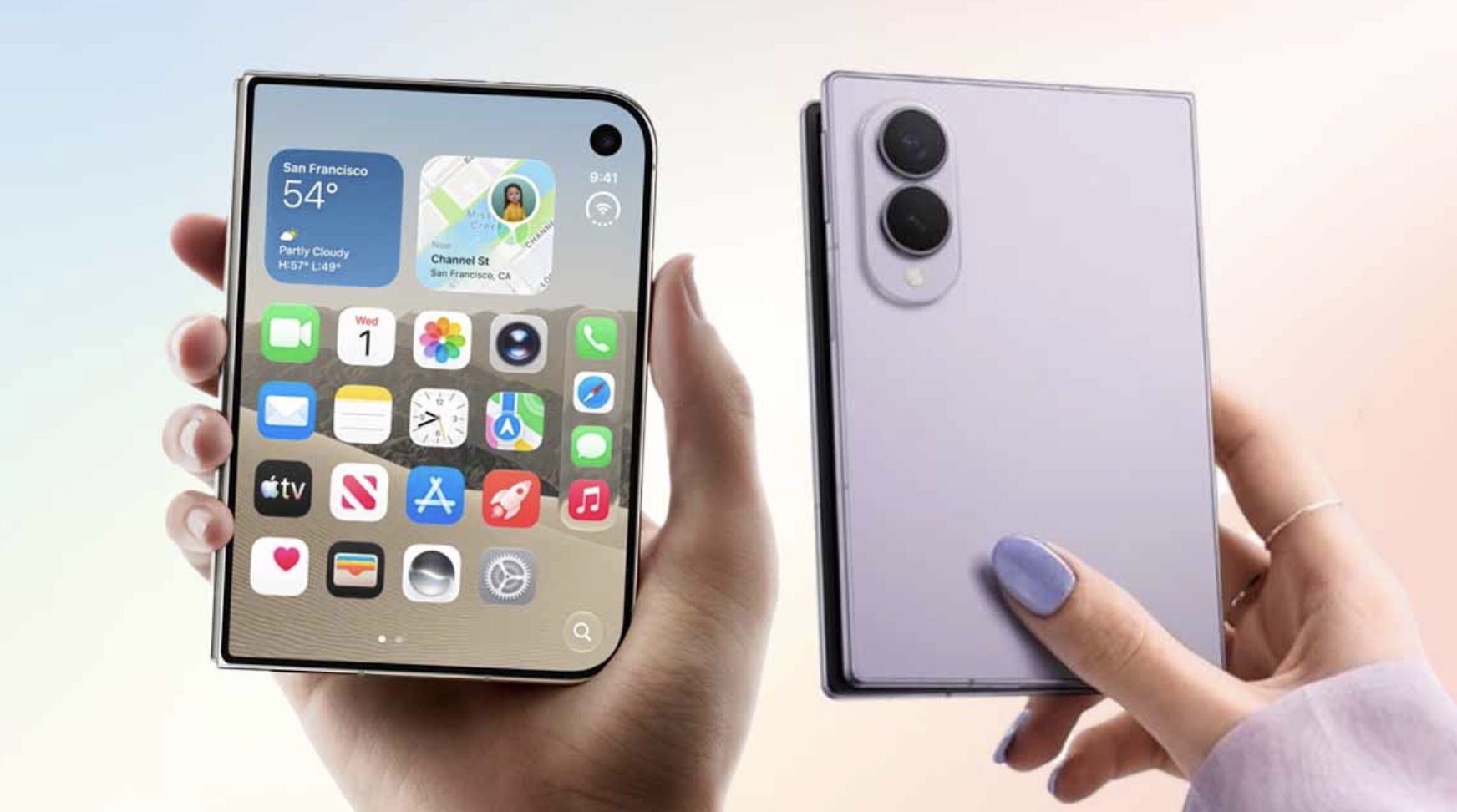
Galaxy Z Fold 8 gains momentum amid Apple’s challenges
The timing of Samsung’s campaign is significant. Apple’s iPhone Duo has reportedly faced supply constraints since its launch, with customers in some markets experiencing waiting periods approaching three months.
According to Bloomberg’s Mark Gurman, Apple initially considered a more limited November launch covering the United States and China. However, the company ultimately introduced the device across more than 70 countries in October, potentially creating additional pressure on available inventory.
Meanwhile, Samsung has reported encouraging sales figures for its latest foldable lineup. Combined sales of the Galaxy Z Fold 8 and Galaxy Z Fold 8 Ultra in Europe were reportedly 45% higher than those of the previous generation during the first nine weeks.
Sales in South Korea also increased by 20% following the iPhone Duo launch, according to The Korea Herald. Promotional offers, discount programs, and limited availability of Apple’s new device may have contributed to the improvement.
These figures suggest Samsung is benefiting from renewed attention toward foldable smartphones, although they do not establish that Apple’s display problems alone are responsible for the sales growth.
Samsung’s own foldable history offers a reminder
Despite its current confidence, Samsung is not unfamiliar with the engineering challenges associated with foldable displays.
The company’s first Galaxy Fold encountered significant screen failures during reviewer testing in 2019, forcing Samsung to delay its commercial launch while addressing hardware weaknesses. Early generations of the Galaxy Fold also faced challenges involving hinge mechanisms, screen protection, and software optimization.
The experience became an important learning period for Samsung as it continued refining its foldable lineup over subsequent generations. Its reference to eight generations of development therefore reflects both technological progress and lessons learned from earlier shortcomings.
There is also an interesting connection between the two companies. Samsung Display manufactures the foldable panel used in Apple’s iPhone Duo, although the display supplier is not necessarily responsible for every aspect of the finished screen assembly.
Apple has emphasized that the hinge mechanism and the underlying structural components were developed through its own engineering work. Repair specialist Ricky Panesar has suggested that the reported cracking could involve a mechanical issue rather than a defect in the display panel itself. However, the precise cause remains unconfirmed.
This distinction is important because foldable screen durability depends on more than the display panel alone. The hinge, supporting structure, protective layers, material stress, and overall mechanical design all contribute to the long-term reliability of a folding device.
For Apple, identifying the root cause and communicating a clear response will be essential to maintaining consumer confidence in its first foldable smartphone. If the problem is related to the mechanical design, future hardware revisions could potentially address it, although no details about a second-generation model have been confirmed.
For Samsung, the situation provides a valuable marketing opportunity. Its experience across multiple generations of foldable devices gives the company a strong narrative when discussing product refinement and reliability.
However, the Galaxy Fold’s own early history serves as a reminder that experience does not eliminate the challenges of developing new hardware categories. As competition between Apple and Samsung intensifies, long-term durability, repairability, and consistent user experience will remain important factors in determining which foldable devices earn consumers’ trust.