


Nearly two decades after its debut, Apple TV is approaching a significant milestone—turning 20—amid growing speculation that a new generation could be unveiled in the near future.
It has been 19 years since Apple introduced the first Apple TV, a device that was originally presented by Steve Jobsduring Macworld Expo 2007 alongside the original iPhone. Although it was announced in January, the product did not officially reach consumers until March of that year. Interestingly, the device was initially previewed under the codename “iTV.”
In its earliest form, Apple TV functioned primarily as a bridge between computers and televisions. It enabled users to wirelessly stream movies, TV shows, music, and photos from a Mac or PC directly to a larger screen. At the time, the experience was relatively limited—there was no App Store, no support for third-party applications, and most content revolved around media managed through iTunes.
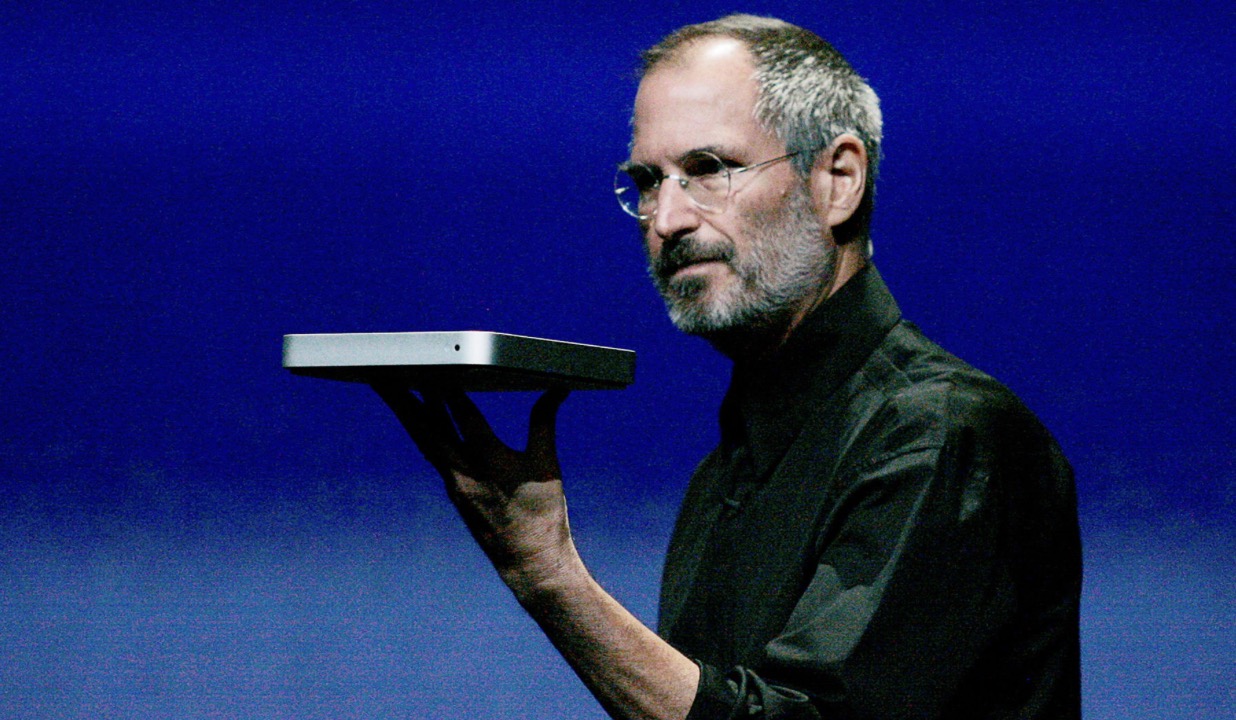
The first-generation device featured a minimalist remote control and a Front Row-inspired interface designed for navigating iTunes libraries on a TV. It came equipped with a 40GB internal hard drive for local storage, supported 720p HD resolution, and offered both HDMI and component video outputs. Priced at $299, it was positioned as a premium accessory rather than a mass-market product.
Apple itself famously described the Apple TV as a “hobby,” reflecting its experimental and somewhat peripheral role within the company’s broader strategy at the time. However, over the years, Apple steadily redefined the device’s purpose—transitioning it from a Mac-dependent accessory into a standalone streaming platform.
A major shift occurred in 2010, when Apple removed the internal storage and introduced a smaller, more streaming-focused design. The real turning point came in 2015 with the launch of tvOS and the App Store, which opened the platform to third-party apps and games. In 2017, Apple expanded its capabilities further by adding 4K support, followed by continuous performance upgrades in subsequent models, including the current version powered by the A15 Bionic chip.
Today, Apple TV has evolved far beyond its original purpose. Rather than relying on a connected computer, it now serves as a central hub for Apple’s expanding ecosystem of services, including Apple TV+, Apple Arcade, and Apple Fitness+, alongside features like AirPlay and HomeKit integration.
While competitors such as Roku, Amazon Fire TV, and Google TV continue to dominate the lower-priced segment of the market, Apple has maintained a clear strategy: positioning Apple TV as a premium offering with tighter ecosystem integration and more powerful hardware.
The latest model currently available is the third-generation Apple TV 4K, released in November 2022. Looking ahead, industry rumors suggest that Apple is preparing to introduce a new version equipped with a faster processor and a custom-designed wireless chip—reportedly called N1—aimed at enhancing Wi-Fi and Bluetooth connectivity.