


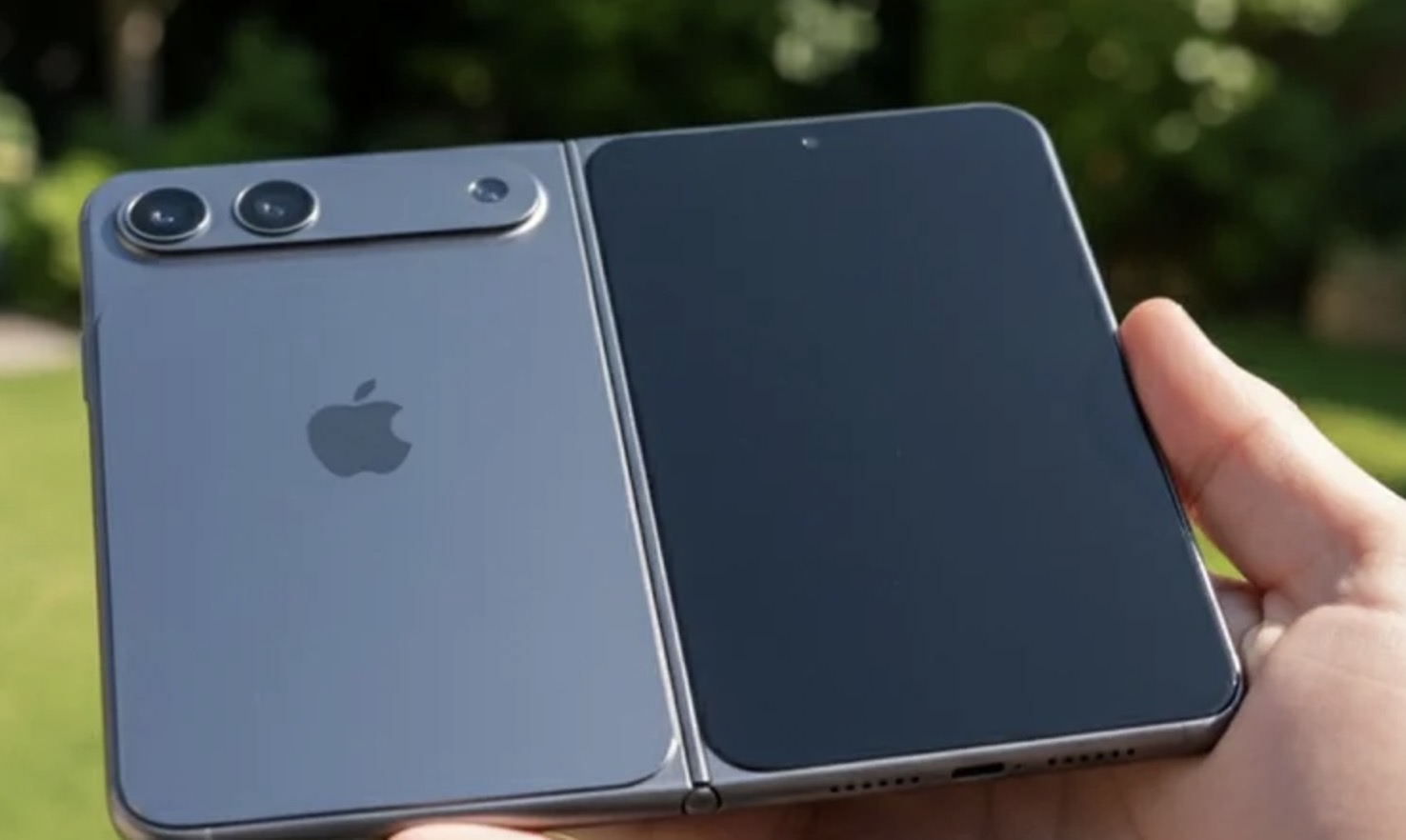
Apple’s first foldable iPhone is rumored to arrive in late 2026, potentially launching well after its flagship iPhone 18 Pro lineup.
Rumors surrounding Apple’s first foldable iPhone continue to gain traction, with new reports suggesting the device may not launch alongside the company’s traditional flagship lineup. Instead, the so-called iPhone Fold could arrive several months after the debut of the iPhone 18 Pro series.
According to recent analyst expectations, Apple’s foldable iPhone might not reach the market until late 2026, potentially as late as December. This would mark a departure from Apple’s long-standing pattern of unveiling and releasing new iPhones in September—a schedule the company has largely maintained since the release of the iPhone 5.
That said, a staggered release strategy would not be unprecedented for Apple, particularly for products that introduce major design shifts. In previous years, the company has delayed certain models beyond the initial launch window. For instance, the iPhone X debuted in November 2017, while both the iPhone XR and iPhone 14 Plus arrived later than their counterparts.
If Apple follows a similar approach, the foldable iPhone could still be announced alongside the iPhone 18 Pro Max in September, with availability pushed to the end of the year. Recent developments suggest the device is progressing steadily, with reports indicating it has reached key production milestones. Additionally, leaked CAD renders hint that the design may already be finalized, aligning with earlier predictions.
Beyond hardware, Apple is also expected to introduce new software capabilities tailored to the foldable form factor. One anticipated feature is the ability to run two iPhone apps simultaneously when the device is unfolded, potentially enhancing multitasking in a way not previously seen on iPhones.
Looking further ahead, Apple’s broader iPhone roadmap may also be evolving. Reports suggest that in early 2027, the company could introduce additional models such as the iPhone 18, iPhone 18e, and a successor to the Air lineup, tentatively referred to as the iPhone Air 2.
Taken together, these developments point to a potential shift in Apple’s release strategy—one that separates announcement and availability timelines while creating room for new categories like foldable devices to mature within the lineup.