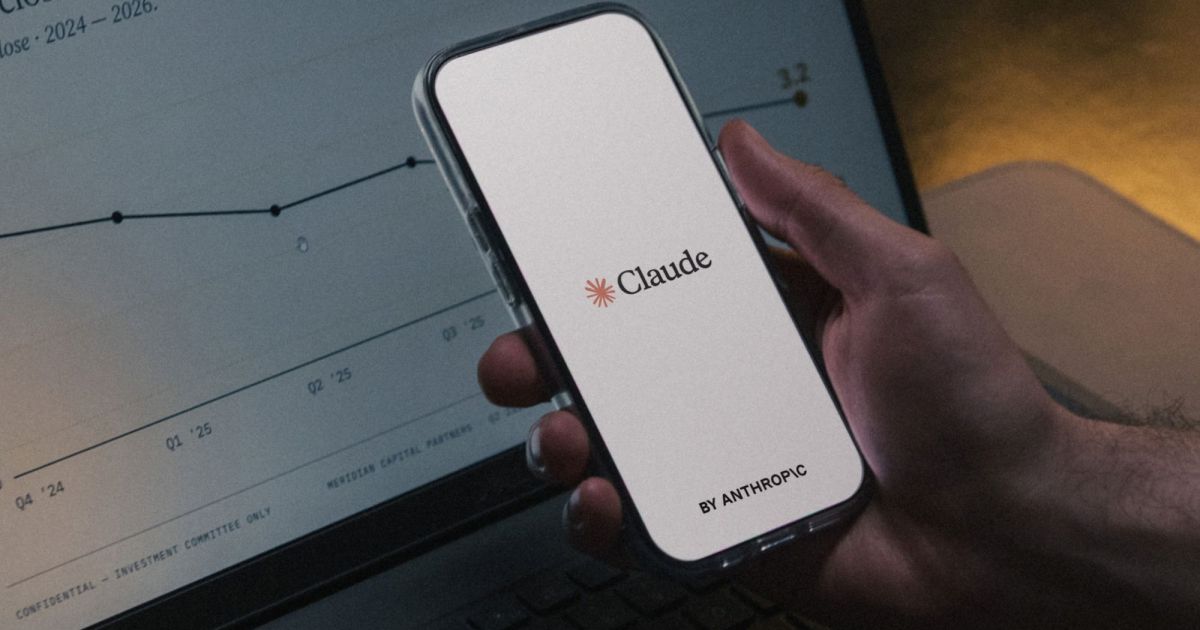




Anthropic has introduced a feature that lets users install Claude‑generated artifacts as dedicated desktop applications on macOS and Windows, offering adjustable permission settings and auto‑updates.
Claude can now create artifacts—documents, designs, dashboards or interactive tools—and users may install them as standalone apps. The option appears in the Share menu as “Install as app,” after which the artifact launches in its own window and appears in the system Dock.
Installed apps do not require packaging or code signing, but they must be assigned a permission level. The default setting limits the app to browser‑equivalent capabilities, while higher tiers allow always‑on‑top windows, global keyboard shortcuts, notifications, or full computer access to run programs and modify files.


Developers can link apps with connectors and add a menu‑bar item for quick access. Each time the underlying artifact is edited, the app updates automatically and prompts the user for any new permissions required.
Anthropic has published several example apps to demonstrate the workflow, showing how users can turn Claude's output into functional desktop utilities without traditional development steps.

TechTimes Commentary
TechTimes notes that Anthropic's new install‑as‑app capability could lower the barrier for non‑technical users to create custom desktop tools, potentially expanding Claude's appeal beyond chat‑only scenarios. By offering granular permission controls, the feature balances convenience with security, a concern for enterprise adopters. If the functionality proves stable on both macOS and Windows, it may prompt competitors to add similar low‑code app generation, accelerating the trend toward AI‑driven productivity extensions.