



Nvidia has reportedly notified partners of a 20%‑30% reduction in gaming GPU allocations for its fourth fiscal quarter, November 2026 to January 2027, potentially tightening an already strained graphics‑card market.
According to posts on the Chinese distribution forum Board Channels, Nvidia informed its graphics‑card partners that allocations for the upcoming fourth fiscal quarter will be cut by between 20% and 30%. The reduction covers the period from November 2026 through January 2027 and is expected to lower the number of GeForce cards reaching retailers and distributors worldwide.
The report, cited by VideoCardz, notes that supply to China was already constrained in the previous quarter, making the new cut especially concerning for that market. The source did not specify which GeForce RTX models will be affected, nor whether the reductions apply beyond China.

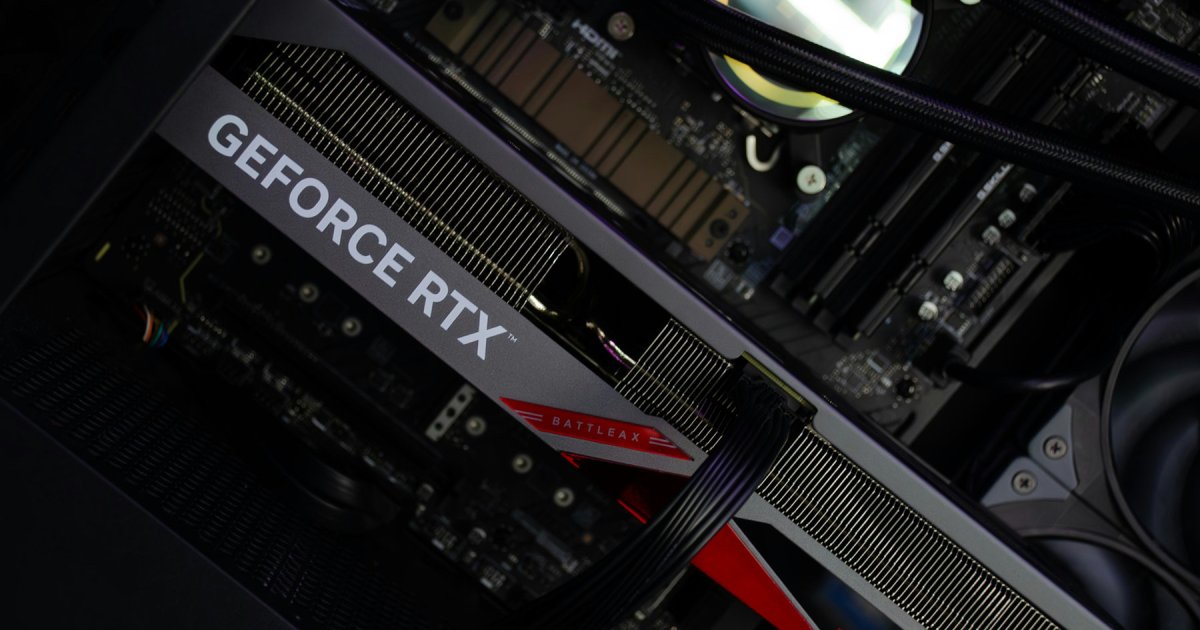
Earlier this month, some manufacturers reported low inventories of RTX 50‑series cards and shifted focus to older RTX 3060 and RTX 3050 models. Colorful has already raised RTX 50‑series prices, and GALAX is reportedly considering similar moves, suggesting the supply squeeze could translate into higher retail prices.
Nvidia’s supply adjustments follow a strong financial quarter and the recent reinstatement of Jensen Huang as CEO. While the company has not commented publicly, the pattern of reduced allocations aligns with its strategy to manage demand and inventory across global markets.

TechTimes Commentary
TechTimes believes the announced supply cut could deepen the current graphics‑card shortage, pushing prices higher and forcing retailers to prioritize older, lower‑margin models. With the RTX 50‑series already scarce, gamers may turn to previous‑generation cards, reshaping demand across the segment. The move also signals Nvidia’s intent to balance production capacity against lingering inventory excess from earlier quarters. If the cut extends beyond China, global distributors could see tighter stock, prompting price hikes that may further strain budget‑conscious consumers. The situation underscores the importance of monitoring Nvidia’s allocation policies as they directly influence market dynamics and pricing trends.