



Apple could introduce a limited-edition iPhone 20 Pro that uses ceramic parts, leaker Fixed Focus Digital says, with only a small production run planned for the 2027 anniversary model.
Chinese leaker Fixed Focus Digital posted on Weibo that they have obtained ceramic components intended for the iPhone 20 Pro, the 20th‑anniversary iPhone expected in the fall of 2027. The post indicated that the manufacturing capacity for these parts will be extremely limited, implying a special edition rather than a standard configuration.
The leaker added that the ceramic project will move to mass production only after passing engineering validation testing (EVT). They also joked that the scarcity of the ceramic version could drive resale value, though no details were given about which part of the phone the ceramic would cover.

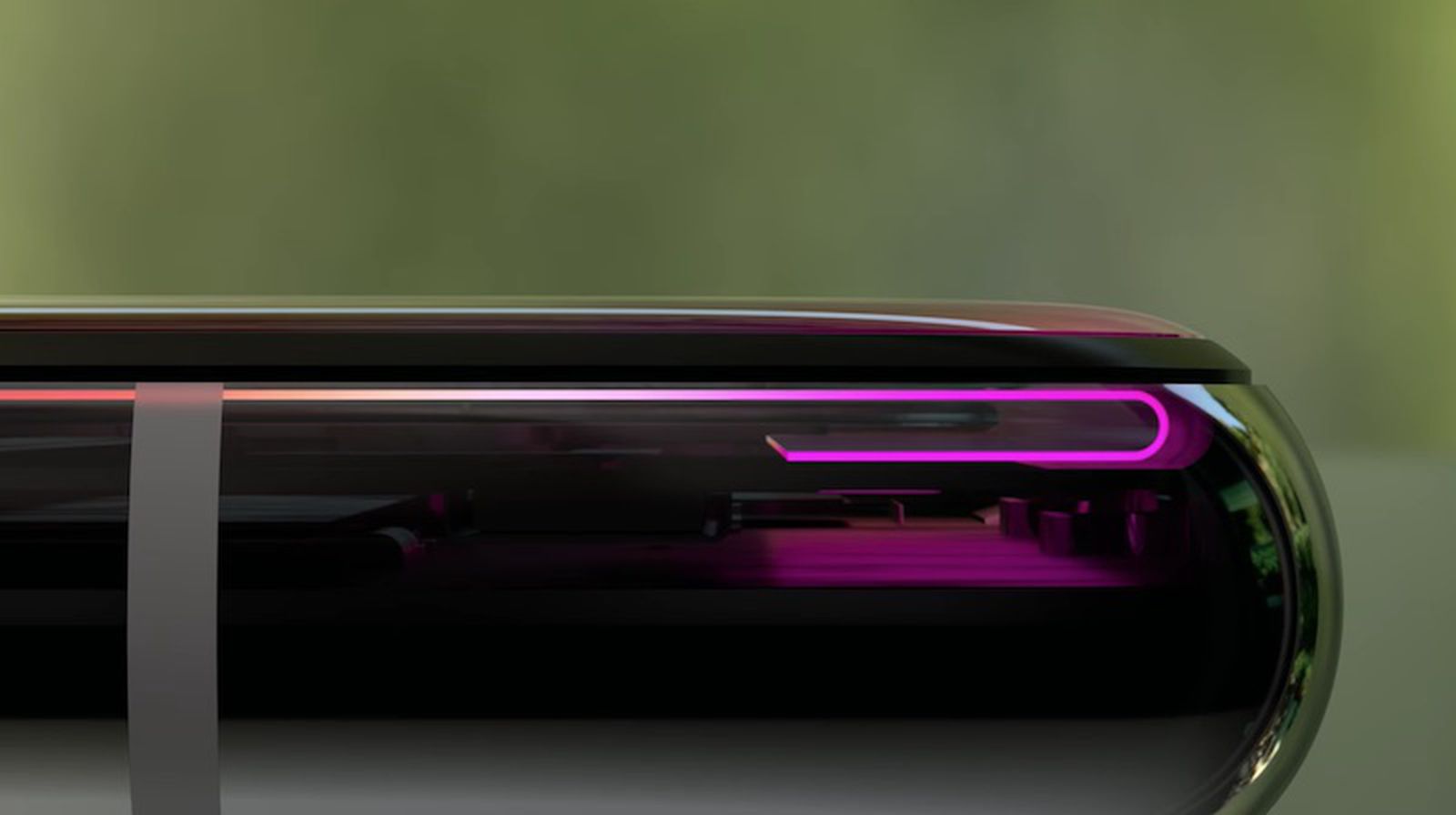
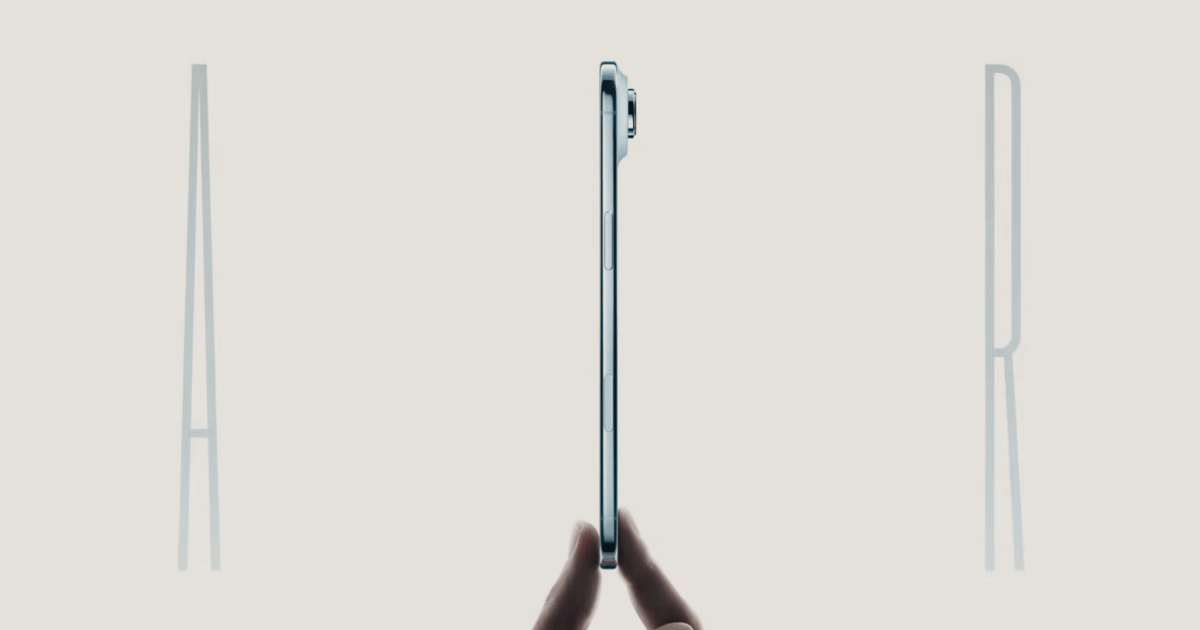
Apple already uses ceramic in premium Apple Watch cases, such as the Series 12 and earlier Watch Edition models, and the iPhone Air currently features Ceramic Shield 2 on the front and Ceramic Shield on the back. However, the new rumor suggests a more visible ceramic application, potentially a rear panel or larger enclosure segment.
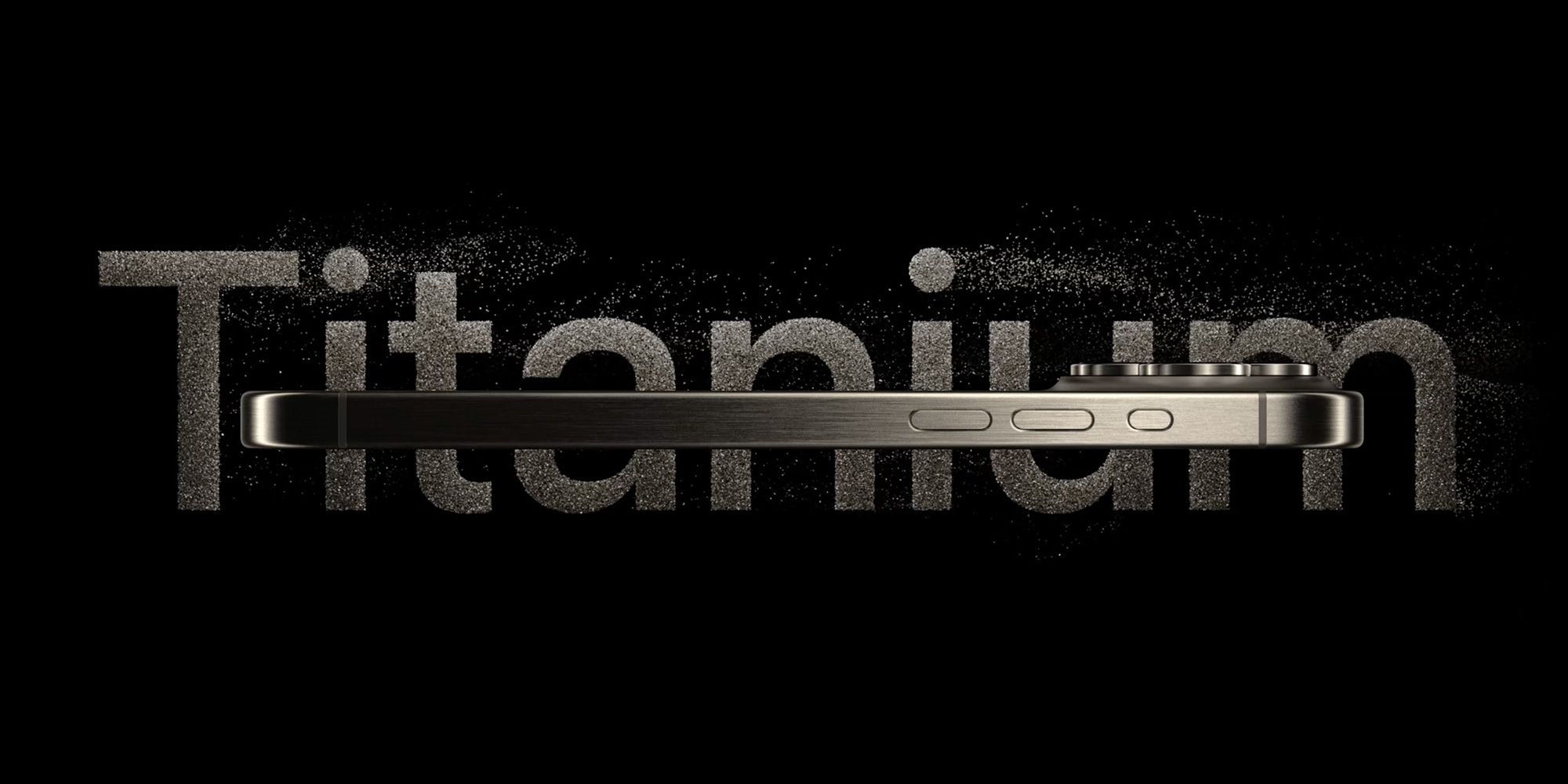
The upcoming iPhone 20 Pro is expected to feature a glass‑centric design with quad‑curved edges around a titanium frame, according to previous leaks. While the official name has not been confirmed, analysts note Apple may skip the iPhone 19 label to highlight the anniversary, similar to the iPhone X launch in 2017.

TechTimes Commentary
If Apple proceeds with a ceramic‑enhanced iPhone 20 Pro, the move could reinforce its premium positioning by offering a material that combines durability with a distinctive aesthetic. Limited production would create exclusivity, potentially attracting collectors and boosting brand prestige. Competitors may respond with their own high‑end material variants, but Apple’s control over supply could limit market impact. The announcement could also set expectations for future material innovations across the iPhone lineup, prompting industry watchers to monitor how Apple balances cost, manufacturing complexity, and consumer demand for premium finishes.