




A University of Southern California team has built an AI‑powered smart ring that uses near‑infrared light to monitor stress by detecting sub‑dermal sweat activity, delivering continuous readings without the need for electrode contact.
Assistant professor Yasser Khan and PhD student Farhad Hassan led the project that combines two near‑infrared LEDs—one at 960 nm to sense water‑related changes and another at 1,250 nm as a reference—to capture optodermal activity (ODA). The ring also incorporates a temperature sensor, accelerometer and heart‑rate monitor, allowing it to differentiate psychological stress from movement‑induced or heat‑related sweating.
In a study with four participants, the optical signals matched a commercial gel‑based electrodermal activity (EDA) sensor 86 % of the time. Short‑term tests involving six subjects showed the ring identified stress versus relaxation with 92.3 % accuracy, compared with 77.95 % for the gel sensor. When four stress conditions were examined, the ring achieved 100 % accuracy versus 74.58 % for EDA.

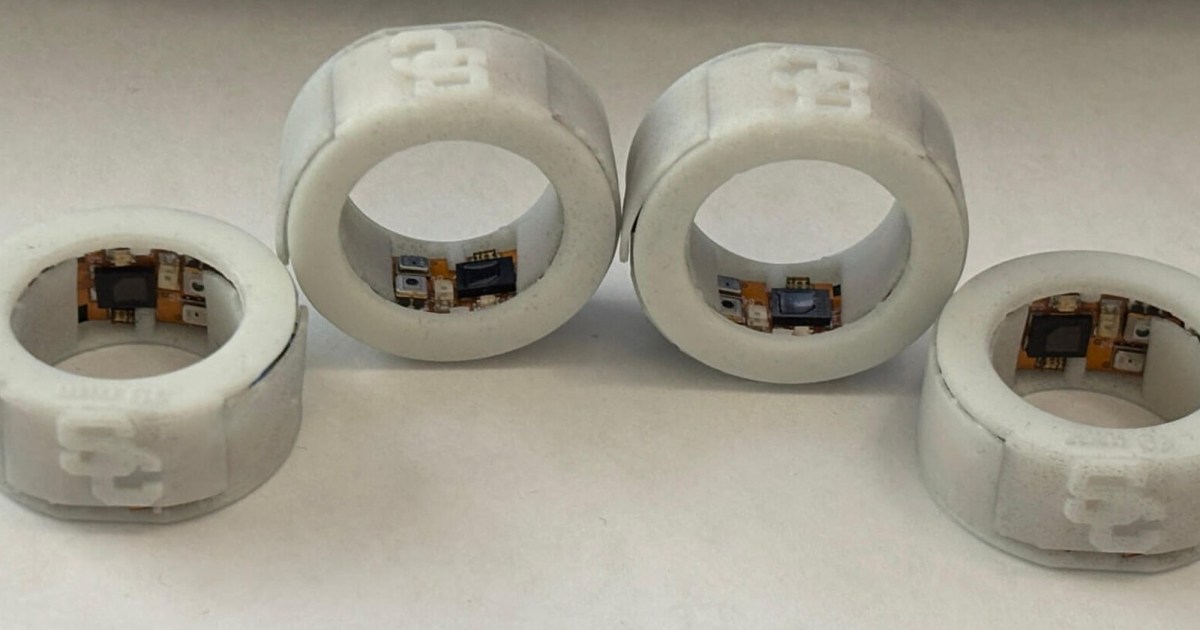
A 12‑hour wear test with two participants demonstrated the ring’s durability: the gel sensor’s accuracy dropped to 57.35 %, while the ODA ring maintained 79.55 % accuracy. All data processing runs on the device, eliminating the need to transmit raw biometrics to external servers and preserving user privacy.
The researchers plan a year‑long follow‑up study with 40 office workers and are working to mitigate interference from heavy surface sweat. The technology is currently in the patent stage, and USC’s Stevens Center for Innovation may later license it for commercial use.

TechTimes Commentary
TechTimes notes that the USC smart ring could redefine wearable stress monitoring by removing the need for skin‑contact electrodes, a limitation of current EDA‑based devices. Continuous, on‑device analysis may appeal to users seeking passive health insights, and the use of off‑the‑shelf components could lower production costs. If commercialized, the ring might pressure established smartwatch makers to integrate similar optical stress sensors, accelerating competition in the wellness‑wearables market.