




Waymo still leads in commercial driverless miles even as Uber adds Zoox robotaxis to its Las Vegas app, setting up a direct comparison between human drivers and autonomous services.
Waymo’s robotaxi fleet continues to outpace rivals in commercial driverless mileage, according to the latest available data. While Tesla now holds more registered robotaxis in Texas—1,507 versus Waymo’s 1,345—the mileage metric still favors Waymo, suggesting higher utilization per vehicle.
Uber announced that riders in Las Vegas will soon be able to select a dedicated autonomous option within the app, after initially offering Zoox robotaxis on a match‑only basis. The move follows Uber’s third‑quarter earnings call, where CEO Dara Khosrowshahi said the feature will arrive as reliability improves.

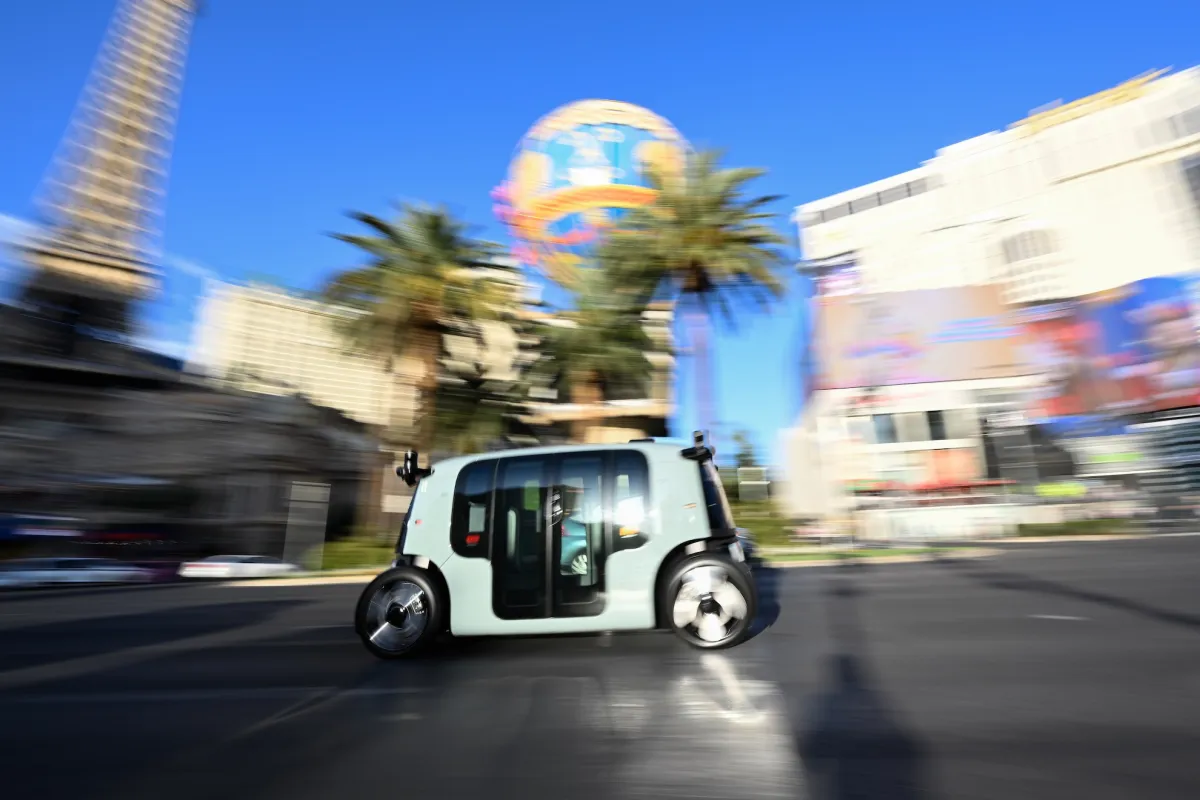
Las Vegas will become the first U.S. market where Uber users can choose between human‑driven rides, Zoox robotaxis, and Motional’s self‑driving service. The platform will therefore provide a live A/B test of price, convenience and rider preference across human and autonomous providers.
Analysts note that the test could influence future fleet strategies, especially as Waymo faces a recent setback pulling its robotaxis off freeways. Tesla’s expansion with Cybercab units may also compress the mileage gap if the company can increase vehicle efficiency.
Industry observers caution that the outcome will depend on factors beyond mileage, including regulatory environments, consumer trust and the cost structure of maintaining driverless fleets. The Las Vegas experiment will likely inform how other cities roll out mixed autonomous services.

TechTimes Commentary
TechTimes believes the Las Vegas rollout marks a pivotal moment for autonomous ride‑hailing, offering the first large‑scale, side‑by‑side comparison of human drivers and robotaxis. If Uber’s autonomous options prove cost‑effective and attract enough riders, they could accelerate the shift toward driverless fleets across major U.S. markets. Waymo’s lead in driverless miles suggests it remains the benchmark for operational efficiency, but the emerging competition from Tesla’s Cybercabs and Uber’s multi‑partner strategy may erode that advantage, prompting all players to innovate on pricing, reliability and vehicle utilization.