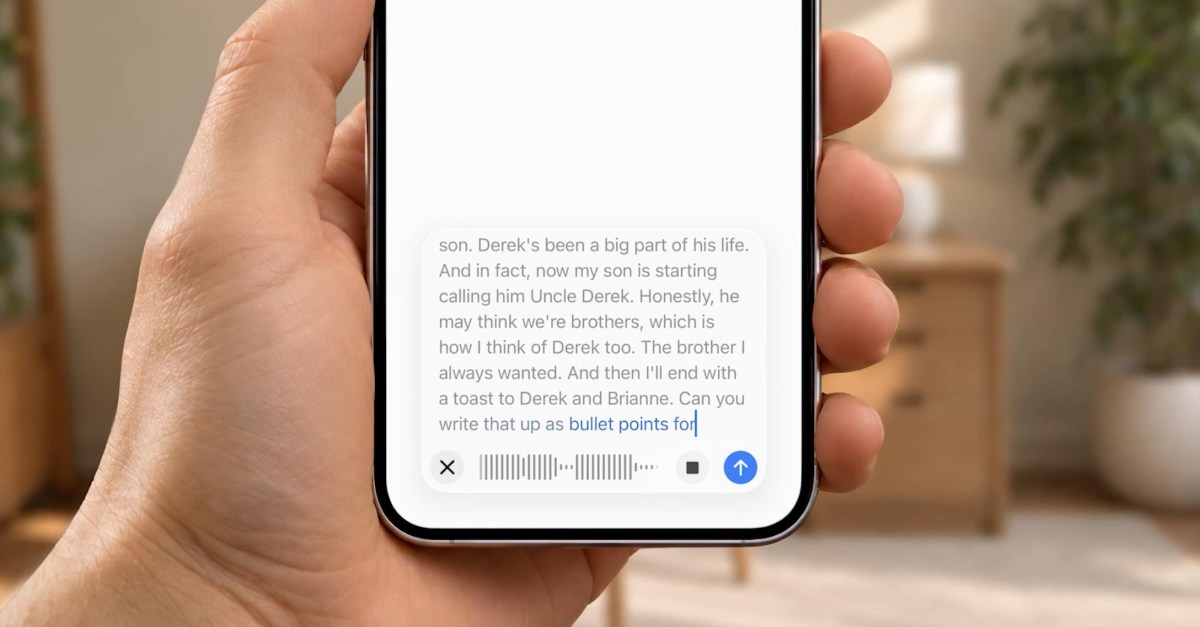




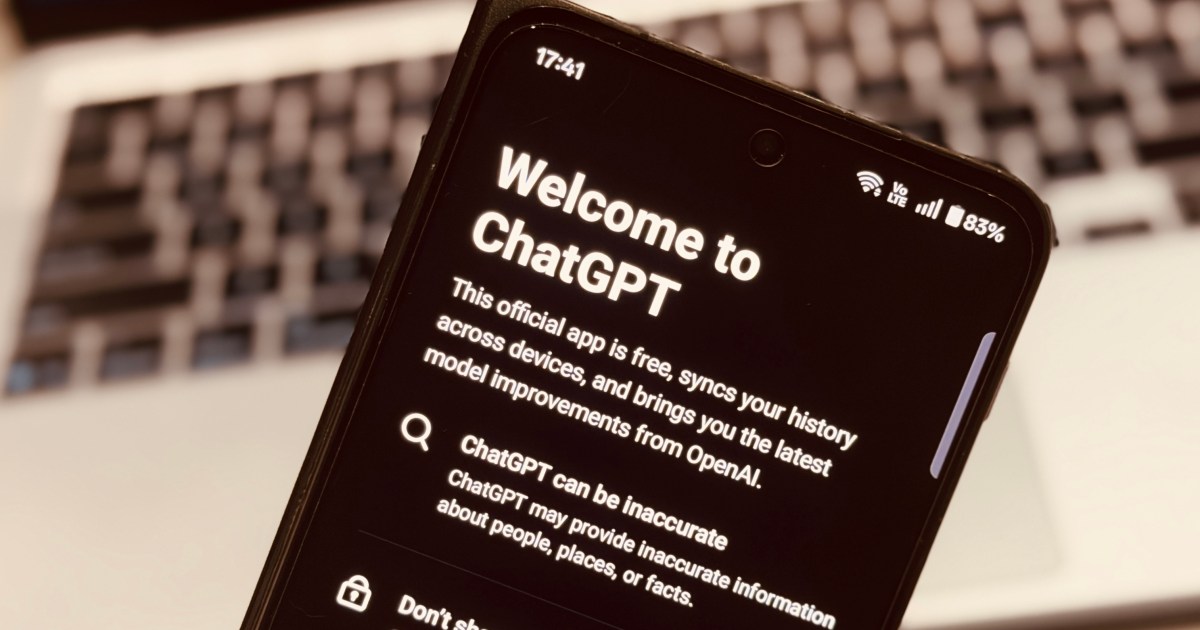
An APK teardown of ChatGPT’s Android app version 1.2026.328 revealed hidden permission prompts that could let the AI place calls, read and send texts, control music and access screen data, hinting at broader assistant functions.
A recent teardown of the ChatGPT Android application, version 1.2026.328, uncovered strings that reference permissions not exposed to users. The code suggests the app could read recent call logs, search contacts, initiate calls on command, and read or send SMS messages. It also appears capable of controlling music playback through Android’s notification access, allowing pause, resume or track changes without opening a music app.
The hidden strings include a “Use screen and app data” option, similar to Gemini’s “Ask about screen” feature, which would let the model analyze on‑screen content without requiring screenshots. Users would need to enable this setting manually, according to the analysis.

OpenAI’s “Dots” – always‑on AI agents introduced in September – may also gain deeper Android integration. The teardown found references to a dedicated Dot card, notification‑access prompts, and code flags such as “allowedWhileLocked” and “useDotAsAssistant.” These hints suggest a Dot could function as a default digital assistant, even when the device is locked.
OpenAI has already added capabilities like iMessage and RCS messaging, wallet and health integrations to ChatGPT on other platforms. While the new Android permissions point toward similar expansions, the company has not confirmed timelines or detailed functionality, leaving the actual user experience uncertain.

TechTimes Commentary
TechTimes notes that the hidden permissions indicate OpenAI’s intent to evolve ChatGPT from a chat‑only tool into a full‑featured Android assistant. If the features materialise, they could challenge existing voice assistants by offering deeper contextual understanding through screen reading and always‑on Dots. For Vietnamese users, the rollout may prompt early adoption among Android‑dominant markets, provided pricing and data‑privacy policies align with local expectations. The next steps will likely involve beta testing and clearer user‑consent flows before a public launch.